

Qatar has halted liquefied natural gas production following escalating strikes across the Middle East, triggering serious concerns about regional energy stability. The sudden move placed Qatar at the center of a growing crisis that has already forced shutdowns at major oil and gas facilities in neighboring countries.
The decision by Qatar to suspend LNG production came as part of a wider wave of disruptions affecting energy infrastructure throughout the region. A Saudi refinery, along with oil and gas fields in Iraqi Kurdistan and Israel, was also shut down as tensions intensified. The rapid developments created uncertainty in global markets, where energy security is closely monitored.
Qatar made the decision to stop LNG operations as strikes continued to unfold across multiple areas.
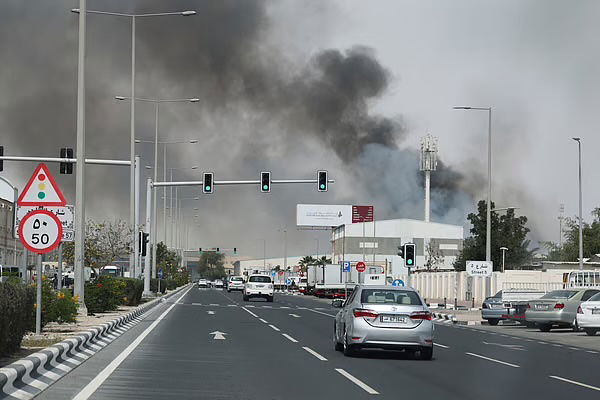
The situation developed quickly, leaving little room for gradual adjustments. For a country that plays a crucial role in supplying natural gas to international markets, the halt signaled a serious escalation.
The move by Qatar was not isolated. In Saudi Arabia, a refinery was forced to suspend operations. In the Kurdistan Region of Iraq, oil production facilities were also shut down. Meanwhile, energy fields in Israel were taken offline as a precautionary measure. Together, these closures highlighted how deeply interconnected regional energy infrastructure has become.
For Qatar, the halt represents more than a temporary pause. LNG exports form a significant part of its economic foundation. Any disruption, even for a short period, carries consequences not only for the country but for its trading partners worldwide. Buyers who depend on steady shipments now face uncertainty as the situation unfolds.
While Qatar remains one of the most resilient energy producers in the world, the current environment has proven difficult to predict. The strikes have created a climate where safety and operational stability are not guaranteed. In such conditions, halting production becomes a precaution rather than an economic choice.
The shutdown in Qatar occurred against a backdrop of heightened tensions that have spread beyond a single border. Energy facilities are often seen as strategic assets, making them vulnerable during periods of conflict. The fact that multiple countries were affected at the same time shows how fragile regional stability can be.
Energy analysts say Qatar is typically well prepared for geopolitical challenges. The country has built strong infrastructure and diversified partnerships over the years. However, even the most prepared producers must respond when security risks escalate to unacceptable levels.
For Qatar, LNG exports are central to its global presence. The country has invested heavily in building one of the world’s largest liquefied natural gas industries. A halt in production disrupts established supply chains and forces international markets to reassess short-term availability.
Any pause by Qatar immediately captures global attention. LNG plays a vital role in powering homes, industries, and electricity grids across continents. When production stops in a major exporting nation, buyers begin reviewing contingency plans.
The government of Qatar has not framed the halt as a long-term measure. Instead, the shutdown reflects immediate concerns linked to regional instability. Safety of personnel and infrastructure remains the priority as developments continue to unfold.
Officials in Qatar are closely monitoring the evolving situation. Decisions are being made in real time as new information emerges. The focus remains on protecting energy facilities while assessing when operations can safely resume.
Outside Qatar, similar challenges are unfolding. The Saudi refinery closure adds further strain to the region’s energy output. Oil and gas fields in Iraqi Kurdistan and Israel being taken offline amplify concerns about supply disruptions spreading across borders.
Within Qatar, the halt underscores how quickly geopolitical tensions can affect even the most stable producers. The country has long been viewed as a reliable supplier. This sudden interruption serves as a reminder that no energy hub is immune to regional conflict.
Even so, Qatar retains significant leverage due to its established role in global LNG markets. Buyers understand that the halt stems from extraordinary circumstances rather than structural weakness. Still, uncertainty often leads to price volatility and cautious trading behavior.
QatarEnergy halts LNG production over Iran attacks on facilities at two of its main gas processing bases #Iran #Qatar https://t.co/vbqYe5k4ep pic.twitter.com/ZcOjAUfSpm
— Gulf Today (@gulftoday) March 2, 2026
By halting LNG production, Qatar signals that security considerations outweigh immediate commercial interests. The decision reflects a careful balance between protecting assets and maintaining international commitments. It also shows how rapidly events can reshape energy flows.
At the same time, Qatar faces pressure to restore operations as soon as conditions permit. International clients depend on predictable supply schedules. Prolonged disruption could prompt temporary shifts toward alternative suppliers, though replacing volumes from Qatar is not simple.
The decision from Qatar has wider implications for energy diplomacy. The country has cultivated strong partnerships built on reliability and long-term contracts. A temporary pause challenges those arrangements, even if all parties understand the exceptional nature of the crisis.
Many see Qatar as a stabilizing force within global gas markets. The halt, therefore, carries symbolic weight beyond the physical loss of production. It highlights how interconnected security and energy have become in the Middle East.
If the security situation improves, Qatar is expected to move quickly to restart LNG operations. The country has experience managing complex facilities and scaling production efficiently. A return to stability would likely bring relief to markets already reacting to simultaneous shutdowns elsewhere.
Until then, Qatar remains at the center of a broader regional story. Strikes affecting Saudi Arabia, Iraqi Kurdistan, and Israel demonstrate how widespread the disruptions have become. Each closure compounds uncertainty and intensifies the focus on energy infrastructure.
The broader picture reveals a region grappling with instability at multiple levels. Energy facilities often become focal points during conflict because of their economic and strategic importance. The halt in Qatar fits into that pattern, even as it underscores the country’s cautious approach.
For global observers, the key question is duration. Short-term interruptions can be absorbed by markets with limited long-lasting damage. Extended outages, however, can reshape supply chains and alter trade flows. The path chosen by Qatar in the coming days will be closely watched.
The strikes that prompted the halt have sent a clear signal about vulnerability. Even advanced infrastructure is exposed when geopolitical tensions rise. Qatar’s decision reflects an understanding that operational continuity cannot come at the expense of safety.
As events continue to develop, energy markets will remain sensitive to updates from the region. Qatar’s status as a leading LNG exporter ensures that any announcement regarding production carries weight. Traders, governments, and industry leaders are all paying attention.
The simultaneous shutdown of a Saudi refinery and oil and gas fields in Iraqi Kurdistan and Israel deepens the sense of instability. Together with the halt in Qatar, these actions paint a picture of a region facing extraordinary strain.
For now, the halt stands as a precaution taken during an uncertain moment. Qatar has chosen to prioritize security while monitoring the evolving landscape. Whether this pause proves brief or extended will depend on how quickly tensions ease.
In the meantime, the global energy community watches closely. Qatar’s next steps will influence not only regional markets but also international supply dynamics. The situation serves as a stark reminder of how closely energy security and geopolitical stability are linked.
Qatar’s position at the heart of the LNG trade ensures that its decisions resonate far beyond its borders. As long as strikes continue to disrupt facilities across the Middle East, the focus on Qatar will remain intense.


