Quatisha Maycock Murder Case: Man Who Left Her to be Eaten by Alligators Avoids Death Penalty

Quatisha Maycock was only five years old when her life was cut short in one of the most brutal crimes in Florida history, and Quatisha Maycock’s name is now central to a new chapter in this horrific case. From the moment her killer kidnapped her and her mother in November 1998, this case has gripped the public with sorrow and outrage. In a recent resentencing trial almost three decades after the crime, the man responsible was spared the death penalty and instead will spend the rest of his life in prison. The details of the crime, the courtroom drama, and the lasting impact on Quatisha Maycock’s family are all part of a tragic story that refuses to fade from public memory.
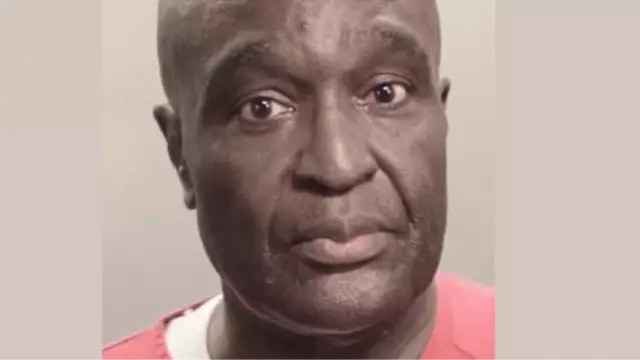
In the early hours of November 7, 1998, Shandelle Maycock was at home in Miami with her young daughter, Quatisha Maycock, when a man they knew approached them with seemingly normal intentions before everything turned horrifyingly wrong. What began as a ride home from work for Shandelle soon became a nightmare that would end Quatisha Maycock’s life and leave deep scars that could never fully heal. The accused, Harrel Braddy, had been acquainted with Shandelle through a church group, and that familiarity was part of what made his betrayal so shocking. On that night, he offered help and comfort before violence erupted without warning.
According to court records, Braddy’s intentions took a dark turn when Shandelle asked him to leave her home, which ignited his anger. Braddy attacked Shandelle, choking her until she lost consciousness multiple times. After restraining her, he forced both her and little Quatisha Maycock into his car, an act that began a long drive through South Florida toward a fate that would shock the nation.
The kidnapping unfolded under the cover of night as Braddy drove them away from their neighborhood. At some point, Shandelle tried to escape by jumping from the moving vehicle with Quatisha. Still, Braddy quickly regained control, placed Shandelle back into the car, and then subjected both to further terror. He drove them deep into a remote area near the Everglades, often called Alligator Alley because of its reputation as a wild, isolated stretch of land filled with water channels and dangerous wildlife.
Once they reached a deserted part of U.S. 27 near the boundary of Broward and Palm Beach counties, Braddy’s cruelty became even more unimaginable. He abandoned Shandelle in a remote location and then took Quatisha Maycock even further into the wilderness before leaving her alone, far from any help, in an area teeming with wildlife. Prosecutors later described how Braddy left her just yards from water where alligators roam freely, fully aware that she was defenseless and completely alone.
The body of Quatisha Maycock was discovered days later by local fishermen who were searching the canals in the Everglades. She was still dressed in her child’s pajamas, her clothing a stark reminder of her innocence, and the condition of her body provided grim evidence of what happened in those final hours. Medical examiners testified that her left arm had been severed and that there were clear bite marks on her head and torso consistent with an attack by alligators or other animals in the water. The loss of her young life under such horrific circumstances sent shockwaves through the community and across the country.
For nearly ten years after his arrest, Braddy’s case went through the normal channels of the justice system, culminating in a 2007 trial where he was found guilty of first-degree murder, kidnapping, and a range of other charges related to the horrifying deaths of Quatisha Maycock and the attack on her mother. At that time, a jury in Miami-Dade County recommended the death penalty, and Braddy was sentenced to death row as a consequence of the brutal nature of the crime.
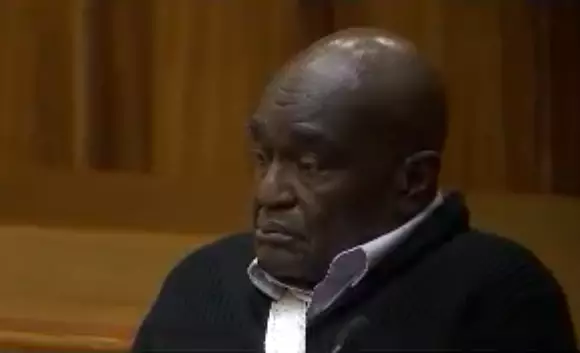
However, that death sentence did not stand as final. In 2017, the Florida Supreme Court vacated several death penalty sentences, including Braddy’s. The reasoning was based on a ruling that the requirements for capital punishment sentencing at that time were unconstitutional, leaving room for resentencing in cases where the death penalty had been imposed. This legal shift meant decades of legal wrangling over whether Braddy should once again face eligibility for execution or receive another type of sentence.
In recent months, a resentencing trial was held to determine Braddy’s fate under current Florida law, which allows juries to recommend the death penalty even if the vote is not unanimous, depending on the circumstances of the offense and jury deliberations. Prosecutors painted a chilling picture of the crime in the courtroom, urging jurors to impose the ultimate punishment for someone found responsible for such a cruel act that ended Quatisha Maycock’s young life.
Shandelle Maycock, whose testimony was pivotal, recounted the night of the attack in painstaking detail. She described the fear, confusion, and pain she endured, and she spoke about her daughter with deep emotion, reminding the jury that Quatisha was a joyful and innocent child who did nothing to deserve the fate that Braddy chose for her. Her words were filled with sorrow, and even years later, her grief was evident as she relived those moments in front of the court.
Despite the prosecutor’s efforts to secure a death sentence, the jury deliberated for several hours and ultimately decided that Braddy would not be sentenced to death. Instead, jurors recommended a life sentence, meaning he will spend the remainder of his life in prison without the possibility of release. For many, this decision was met with mixed reactions, as some believe a life sentence was appropriate while others thought the severity of the crime deserved execution.
The choice to sentence Braddy to life in prison rather than the death penalty means that, legally, his punishment will not be carried out in the most extreme form that had been initially agreed upon by the earlier jury. With this decision, the focus for prosecutors and for the public now turns to the long-term implications of such a verdict and what it means for justice in cases involving heinous crimes against children like Quatisha Maycock.
The resentencing trial also highlighted contrasting narratives about Braddy’s life, with defense attorneys attempting to humanize their client by pointing to his age, his background, and various personal experiences. They described him as an older man who had faced hardship and urged the jury to consider the full picture of his life rather than only the crime. Prosecutors, by contrast, emphasized the brutality of the offense and the lasting pain inflicted on the victim’s family, arguing that the nature of the crime merited the most severe punishment available under the law.
For Shandelle Maycock, whose life was forever altered by the events of 1998, the verdict does not bring closure in the traditional sense.
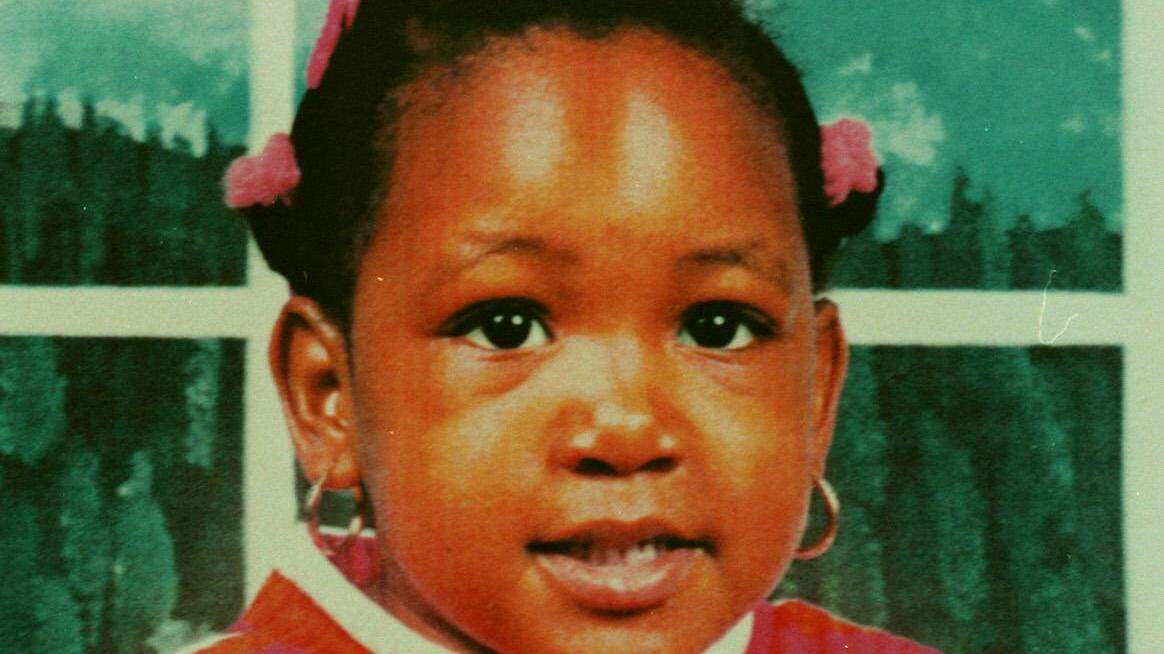
In many ways, her life continues to revolve around her daughter’s memory and the aftermath of the violence that claimed her child. She has spoken publicly about her grief, describing how she still thinks about Quatisha Maycock every day and how the pain of losing her daughter is something she carries with her, a burden that no court decision can erase.
The story of Quatisha Maycock is not just a statistic or a crime headline; it is a human tragedy that underscores the vulnerability of children in dangerous situations and the profound consequences of senseless violence. While the court established that Braddy must live with the consequences of his actions in prison, many who followed the case believe that justice was only partially served. The legal outcome raises important questions about how the justice system balances punishment, rehabilitation, and the memories of those who can no longer speak for themselves.
Communities across Florida and beyond have reflected on the case as a warning about the potential dangers that exist even in familiar places. The incident involving Quatisha Maycock took place not in a foreign land or distant location, but in a setting that might have seemed ordinary at first glance. The Everglades, however, are known for their wildlife and remote areas that can quickly become perilous for anyone left alone, especially a small child.
Alligators are a natural part of Florida’s ecosystem, and while fatal attacks on humans are rare, they do occur. The presence of dangerous wildlife adds a chilling layer to this case, as Quatisha Maycock’s death was not only caused by human action but also by the unforgiving environment where she was abandoned. Reports from lists of fatal alligator attacks in the United States note that the deaths of people near water in Florida, especially involving young children, can be swift and devastating.
The choice of life imprisonment over the death penalty in this resentencing does not diminish the horror of what happened, but it does reflect the complex legal and moral factors involved in modern capital punishment cases. While some will argue that the jury’s decision allowed a dangerous individual to live on, others will say that leaving Braddy alive but confined is a way to uphold certain legal principles. Whatever the case, the name of Quatisha Maycock will continue to be remembered in discussions of the tragic crime and its aftermath.
At its core, the legacy of this case lies with the memories of those affected, especially the mother who survived and the daughter who did not. The courtroom dramas, legal appeals, and sentencing debates will likely be studied in legal circles for years, but for many outside the law, the story is a stark reminder of loss, resilience, and the search for justice in the face of unspeakable tragedy.
In the end, the life sentence given in the case of Quatisha Maycock’s death marks the closing of one chapter and the opening of another, not for her, but for the world that continues to grapple with how to remember and honor a life taken too soon.