

Rocky Dennis is remembered as a teenager whose extraordinary life challenged expectations and inspired millions. Born with an extremely rare medical condition that dramatically altered his appearance, Rocky Dennis still managed to live with humor, intelligence, and courage. His story later inspired the 1985 film Mask, but the real story behind Rocky Dennis is even more powerful.
Rocky Dennis was born Roy Lee Dennis on December 4, 1961, in California. At birth, he appeared to be a perfectly healthy baby. His mother, Florence “Rusty” Dennis, had no reason to believe that her son would soon face one of the rarest medical conditions known to doctors.
For the first couple of years of his life, Rocky Dennis grew and developed like any other child.
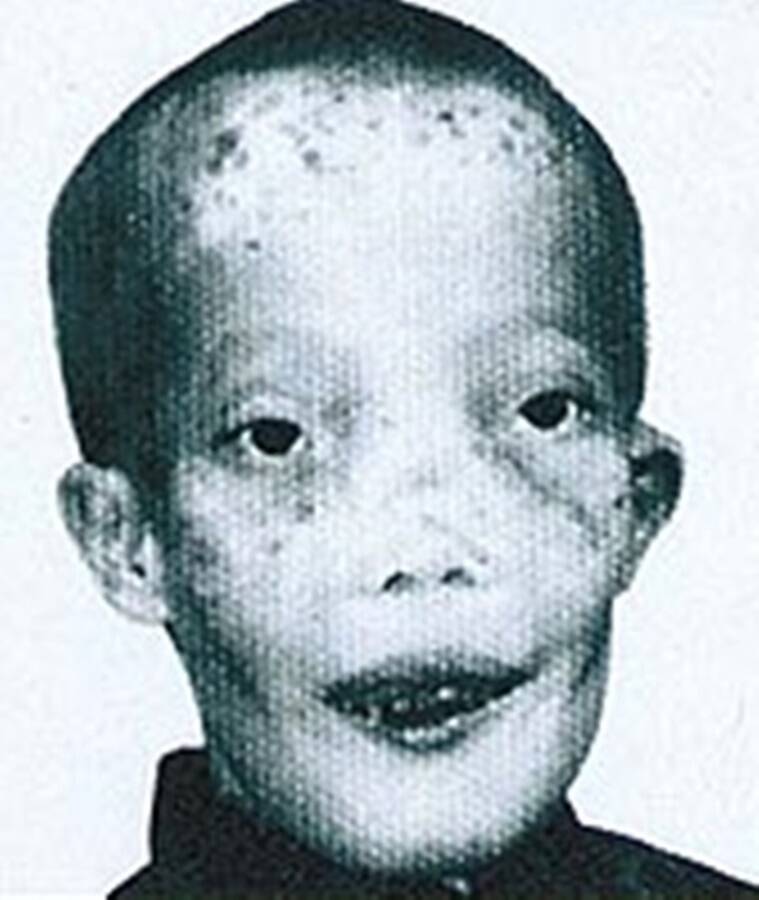
However, when he was a toddler, doctors noticed something unusual during a routine medical exam. An X-ray technician observed an abnormality in his skull. At first, it seemed minor. But over time, Rocky Dennis began to develop visible changes in his facial structure.
Eventually, doctors diagnosed him with a rare condition called craniodiaphyseal dysplasia. This disease causes abnormal bone growth, especially in the skull and facial bones. In Rocky Dennis’ case, calcium deposits caused his skull to grow larger and thicker than normal, dramatically changing the shape of his face.
As the condition progressed, the bones in his face pushed outward. His eyes were forced toward the sides of his head, and his nose changed shape. The growth of his skull also created pressure on his brain, which could lead to neurological complications.
Doctors were blunt about the prognosis. They warned Rocky Dennis’ mother that the disease would likely cause severe disabilities. They predicted that Rocky Dennis might lose his hearing and vision and could suffer cognitive impairment. Even more devastating, they believed he would not live beyond the age of seven.
Yet from the beginning, his life would challenge those predictions.
One of the most important influences in the life of Rocky Dennis was his mother. Florence “Rusty” Dennis refused to let medical predictions define her son’s future. She believed strongly that Rocky Dennis deserved the same opportunities as any other child.
Instead of placing him in isolation or special programs, she decided to raise Rocky Dennis as normally as possible. When he reached school age, she enrolled him in a public school, even though some doctors advised against it.
For Rusty Dennis, the goal was simple. She wanted Rocky Dennis to grow up surrounded by other children and experience life fully.

Her decision proved to be the right one.
Despite his unusual appearance, he quickly became known among classmates for his personality. He was friendly, funny, and intelligent. Instead of focusing on the way he looked, many students recognized him for his sense of humor and his ability to make people laugh.
Rocky Dennis also excelled academically. He regularly performed near the top of his class and demonstrated strong curiosity about the world around him. Teachers and classmates soon realized that his condition had no impact on his intelligence.
At summer camps designed for children with disabilities, he became especially popular. Fellow campers often voted him “friendliest” or “best buddy.” These awards reflected what many people who met Rocky Dennis noticed immediately: he had an extraordinary ability to connect with others.
While Rocky Dennis tried to live as normally as possible, his condition still required constant medical attention. Doctors monitored the growth of his skull carefully because the abnormal bone development could cause dangerous pressure inside his head.
By the time he was seven years old, he had already visited doctors dozens of times. Eye specialists closely examined his vision because the disease often causes blindness.
At one appointment, a doctor suggested that Rocky Dennis would likely never be able to read due to his vision problems. Determined to prove him wrong, Rocky Dennis picked up a book and read aloud directly in front of the doctor.
The moment became a small but powerful symbol of his attitude toward life.
He often refused to accept the limitations others placed on him. Even though his vision qualified him as legally blind, he continued to read and study. He believed strongly that determination could overcome many obstacles.
Still, the physical effects of his condition could not be ignored. Rocky Dennis frequently experienced severe headaches caused by pressure in his skull. These episodes sometimes forced him to rest for long periods.
His mother tried to help him cope with these moments by encouraging him to relax and focus on positive thoughts. She believed strongly in mental strength and often reminded Rocky Dennis that confidence and belief could help him face difficult challenges.
As Rocky Dennis entered his teenage years, he developed a remarkable sense of humor about his appearance. Rather than hiding from the attention he received, he often used jokes to handle uncomfortable situations.
If someone stared at him or made comments about his face, Rocky Dennis sometimes laughed along with them. By doing so, he removed the power from their insults and turned the moment into something lighter.
One of his favorite times of the year was Halloween. He would join neighborhood children while trick-or-treating. Sometimes he played a clever prank. He would wear a Halloween mask and pretend he had multiple masks on his face. After removing the first one, he would pretend he could not remove the second.
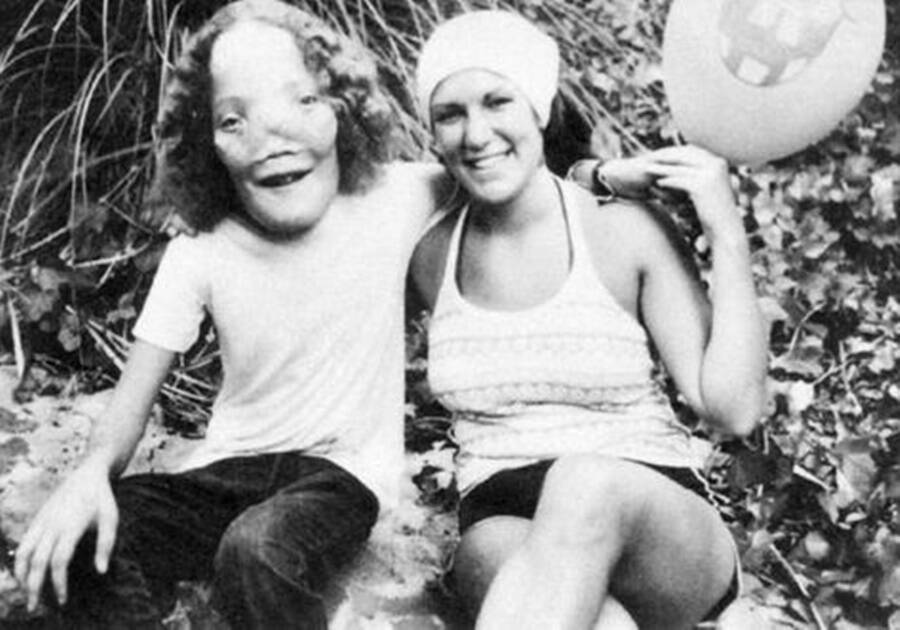
The surprised reactions from neighbors often made the moment funny for everyone involved.
Even though he maintained a positive attitude, he still faced cruelty from some people. Strangers sometimes reacted with shock when they saw him for the first time. Children occasionally mocked his appearance.
These experiences could be painful, but Rocky Dennis tried not to let them control his life.
His mother had taught him an important lesson. When people laughed at him, he could laugh too. By doing this, he showed that his confidence was stronger than their judgment.
Despite the difficulties he faced, he continued to succeed in school. Teachers eventually recognized that his intelligence and curiosity deserved the same opportunities as other students.
At one point, school administrators considered placing Rocky Dennis in a special education program. They believed his appearance might make other parents uncomfortable or cause distractions in class.
His mother strongly opposed the idea. She insisted that Rocky Dennis was fully capable of keeping up academically. Over time, the evidence supported her position.
Rocky Dennis proved himself through his academic performance. He studied subjects like mathematics, science, and history with enthusiasm. When he completed junior high school, he graduated with honors.
This achievement was particularly meaningful considering the predictions doctors had made years earlier. Many had believed Rocky Dennis would not survive long enough to reach adolescence.
Yet he not only reached his teenage years but thrived intellectually during that time.
Even though he continued to live a full life, the effects of his disease gradually became more severe. As the abnormal bone growth progressed, the pressure inside his skull increased.
Headaches became more frequent and more painful. His body also began to weaken.
His mother started noticing subtle changes in his mood and energy levels. Rocky Dennis remained positive, but it was clear that his condition was taking a heavier toll on his health.
Eventually, the medical complications associated with craniodiaphyseal dysplasia became overwhelming. On October 4, 1978, Rocky Dennis died at the age of sixteen.
Although his life was short, Rocky Dennis had already left a lasting impression on the people around him.
Years after his death, the remarkable story of Rocky Dennis reached a much wider audience through film. Screenwriter Anna Hamilton Phelan learned about Rocky Dennis while visiting a genetics research center at UCLA.
She became deeply moved by the story of the teenager who had faced so many challenges with courage and humor.
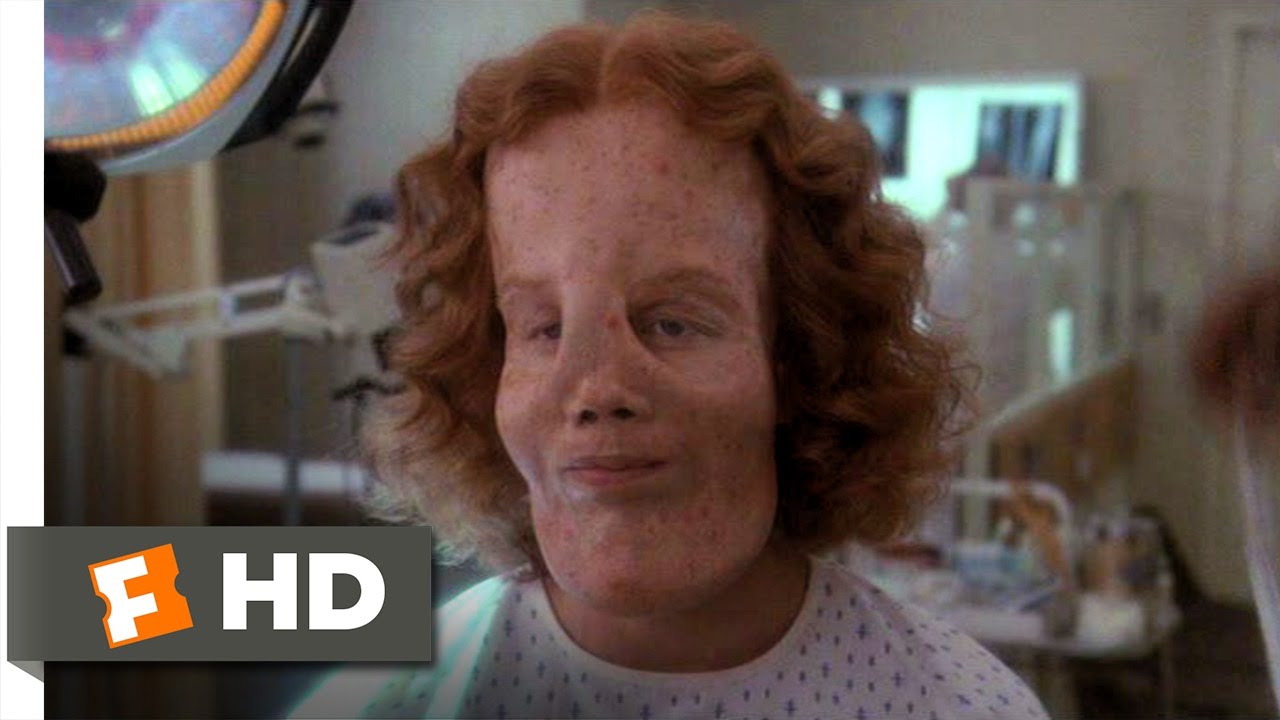
Her screenplay eventually became the film Mask, released in 1985. The movie portrayed the life of Rocky Dennis and his close relationship with his mother.
The film starred Eric Stoltz as Rocky Dennis and featured Cher in the role of his mother. Their performances helped bring attention to the emotional depth of the real story.
Critics praised the film for its powerful themes about acceptance, compassion, and resilience. Cher even received major recognition for her performance, highlighting the emotional strength of the story being told.
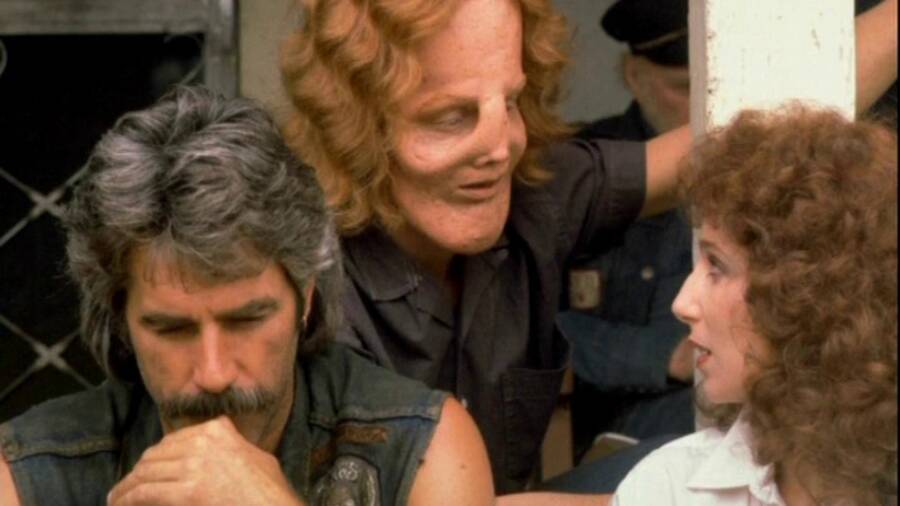
Although the film dramatized certain events, many of its central elements remained faithful to reality. He truly did grow up surrounded by a unique community of people who supported him. His humor, intelligence, and determination were also accurately represented.
However, some details were changed for storytelling purposes. For example, certain family members were omitted from the film, and timelines were simplified.
Even with these adjustments, the core message remained true to the real life of Rocky Dennis.
The legacy of Rocky Dennis extends far beyond the film that told his story. People who knew him personally often remembered his kindness and optimism.
Despite living with a condition that dramatically altered his appearance, Rocky Dennis showed others that character and spirit matter far more than physical appearance.
His life also helped raise awareness about rare genetic disorders. Conditions like craniodiaphyseal dysplasia are extremely uncommon, and stories like that of Rocky Dennis help the public better understand the challenges faced by people living with such diseases.
Most importantly, Rocky Dennis left behind a message about resilience.
Doctors once predicted that he would not survive childhood. Instead, he lived sixteen years filled with friendship, learning, humor, and meaningful experiences. During that time, Rocky Dennis proved that a fulfilling life is not measured by its length but by the courage and kindness shown along the way.
Today, decades after his death, the story of Rocky Dennis continues to inspire people around the world. His life reminds us that determination and compassion can overcome even the most difficult circumstances.
Through his spirit and the memories he left behind, Rocky Dennis remains a symbol of strength, humanity, and hope.


