

Brushing your teeth every day may seem like a small habit, but skipping it can quietly lead to serious health problems. When you stop brushing regularly, bacteria and plaque begin to build up almost immediately, affecting not only your mouth but your entire body over time. Many people underestimate how quickly damage can occur and how challenging it can be to reverse once oral health declines. Understanding the real consequences of not brushing helps explain why this simple routine matters far more than most people think.
Understanding what happens when you do not brush your teeth helps you see why dentists stress this habit. Plaque begins to build fast, and over time, that leads to decay, gum issues, and even links to heart and other diseases. Focusing on daily brushing of your teeth helps prevent all of this and supports a healthy life. In this article, we explain how skipping brushing your teeth affects your oral environment and what you should be aware of in easy, common language.
What Happens Inside Your Mouth When You Don’t Brush Your Teeth
@dr_data_dr WHAT WOULD HAPPEN IF YOU DIDN’T BRUSH YOUR TEETH? #fakebody #3danimation #learnontiktok #dentalhealth ♬ original sound – dr_data
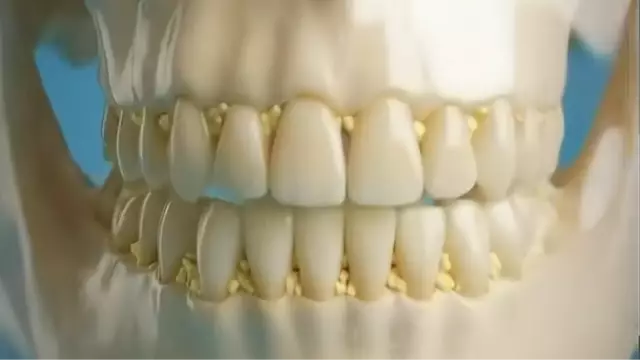
Your mouth is full of bacteria. Some of these bacteria are normal and even helpful, but when you do not brush your teeth, the harmful kinds take over. These bacteria feed on leftover food and sugars left in your mouth. Over time, this leads to plaque forming on the surface of your teeth. Plaque is a sticky film that traps bacteria and food particles against your enamel. The more plaque builds up, the more danger your teeth and gums are in.
When you do not brush your teeth, plaque turns into tartar. Tartar is a hard substance that only a dentist can remove. Once tartar forms, it provides an even stronger place for bacteria to hide and grow. This buildup is not only ugly, but it also changes the chemistry in your mouth in a negative way. The harmful bacteria in plaque create acids that wear down enamel, leading to cavities. These cavities start small but can grow into deep holes in your teeth that hurt and need filling.
In just a few days without brushing your teeth, a transparent layer of plaque begins to cover the surfaces of your teeth. In a week, that layer becomes thicker and begins collecting between your teeth. After weeks of neglect, your teeth look dull, discolored, and may start showing early signs of decay. A month without brushing can leave significant plaque and tartar that damage your oral health.
Gum disease is one of the most common results of not brushing your teeth. The bacteria in plaque irritate your gums, causing them to become red, swollen, and tender. This early stage of gum disease is called gingivitis. You may notice your gums bleed when you brush or floss. If you do not brush your teeth and ignore these early signs, the condition worsens into periodontitis.
Periodontitis means the infection has spread below the gum line. In this stage, bacteria break down the fibers and bone that support your teeth. This can make your teeth loose and even fall out if left untreated. Once bone and tissue are damaged, it can be hard to fully reverse. Professional dental treatment becomes necessary to stop the progression and save what remains of your natural teeth.
Unchecked gum disease also causes bad breath. The bacteria that build up in plaque produce sulfur compounds that smell unpleasant. This foul breath gets worse the more you avoid brushing your teeth. Even using mouthwash or mints only covers the smell temporarily; it does not fix the underlying problem.
When you do not brush your teeth, you leave food particles trapped in your mouth. The bacteria in plaque feed on these particles and produce acids that attack your enamel. Over time, this acid wears away the protective layer of your teeth. Once enamel breaks down, a cavity forms.
Cavities often start without pain. At first, they are just small holes that you may not notice. But as they grow deeper, they can lead to sensitivity and sharp pain when eating or drinking hot or cold things. Without treatment, cavities can reach the inner part of your tooth containing nerves and blood vessels, causing infection and significant pain. Dentists often see patients who do not brush regularly come in with several decay spots that need fillings or more complex work.
Large untreated cavities can lead to abscesses. Abscesses are pockets of pus that form when infection spreads inside the tooth. This is not only painful, but it can also become dangerous if the infection enters your bloodstream. At this stage, treatment usually means root canal therapy or extraction. Regularly brushing your teeth helps prevent cavities from forming in the first place.
Your mouth is not isolated from the rest of your body. When you do not brush your teeth regularly, the bacteria and inflammation in your mouth can affect other parts of your system. A growing body of research shows that poor oral health increases the risk of heart disease, stroke, and other serious conditions.
Inflammation from gum disease can allow bacteria to enter the bloodstream. Once this happens, your immune system responds, and this chronic inflammation can harm blood vessels and organs. This is why experts believe skipping brushing your teeth regularly may raise the risk for cardiovascular disease.
Some studies also suggest links between poor oral hygiene and diabetes complications. Gum infections can make it harder for people with diabetes to control their blood sugar. When bacteria and inflammation are present, blood sugar spikes may become more frequent. This shows how not brushing your teeth can affect not only your mouth but also the way your whole body functions.
Respiratory infections like pneumonia may also be more common in people with neglected oral health. The bacteria from your mouth can be inhaled into your lungs, causing infection. Good oral hygiene, including brushing your teeth every day, reduces the number of bacteria and lowers this risk.
Even missing one brushing session may not seem like a big deal, but bacteria start working right away. Within a few hours, plaque forms, and over several days, it becomes a thicker, more harmful layer. If you do not brush your teeth for a week, tartar begins to form, making removal harder. After a month, the buildup is significant and visible. Over a year of neglect, plaque and tartar can cause extensive cavities, gum disease, and tooth loss.
Some people try to skip brushing because they feel tired or rushed. It is common to hear someone say they will brush later or skip brushing after a snack. While skipping one session is not usually disastrous, turning this into a regular habit is dangerous. Small decisions add up over weeks and months. A habit of skipping brushing leads to more severe issues over time.
Poor oral hygiene does not just affect your health; it affects your wallet and confidence, too. Treating advanced decay, gum disease, and infections is expensive. Dental procedures like fillings, root canals, and gum treatments cost much more than maintaining a daily hygiene routine. Regularly brush your teeth and keep visits to your dentist routine, and you reduce these costs.
Bad breath from not brushing can also lead to embarrassment and social anxiety. When people notice their breath smells unpleasant, it affects how they feel around others. Confidence in social and professional settings may drop. Brushing your teeth twice a day keeps your breath fresh and supports positive interactions.
Tips to keep your oral health strong
To protect your mouth, brush your teeth at least twice a day with fluoride toothpaste. Take your time when brushing to make sure all surfaces of your teeth and gums get cleaned. Using a soft-bristled brush and gentle circular motions helps remove plaque without damaging enamel or gums. Floss daily to clean between teeth where a brush cannot reach.
Visiting your dentist regularly for cleanings and checkups is also key. Dentists can remove tartar that you cannot clean at home and spot early signs of decay or gum disease. Regular professional care keeps your oral health on track.
Choosing a balanced diet low in sugary snacks and drinks also helps. Sugars feed the harmful bacteria that create acids and plaque. Drinking water after meals and snacks helps rinse away food particles and reduces the chance for bacteria to grow.
When you do not brush your teeth regularly, harmful bacteria build up quickly, leading to plaque formation, cavities, gum disease, bad breath, and potential tooth loss. Beyond your mouth, these problems can increase your risk for heart, respiratory, and immune system issues. Taking a few minutes each day to brush your teeth properly protects your oral health and your overall well-being. A simple daily routine prevents costly treatments, painful problems, and health risks in the long run. Brush your teeth every day and make this task a priority for a healthier future.


