

Sitophilia is becoming a widely discussed topic as more people grow curious about mixing food with intimacy. While it might sound unusual at first, the idea of bringing food into romantic situations is not new. Many people simply see it as another way to add variety and excitement to their relationships. Surveys and sales data now suggest that interest in this practice is increasing, and the trend is drawing attention from both relationship experts and curious couples.
Everyone has their own preferences when it comes to making intimate moments more exciting. Some people enjoy classic romantic gestures, while others experiment with new ideas. For a growing number of people, sitophilia offers a playful way to explore sensual experiences. Instead of relying on traditional tools or accessories, it uses everyday food items to create a different type of atmosphere.
The concept might surprise some people, but research suggests that interest in sitophilia is stronger than many would expect. A survey conducted among British adults revealed that around one in three people are open to bringing food into the bedroom with a partner. In addition, nearly half of those surveyed believe that food can be just as sensual as other products designed for intimacy. These findings suggest that curiosity about sitophilia is more common than many people realize.
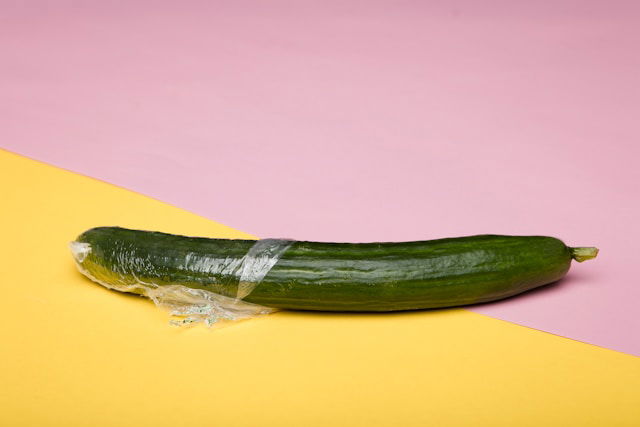
At the same time, retailers have noticed unusual patterns in food purchases that appear connected to this growing curiosity. Online supermarket Ocado reported a sharp increase in sales of certain foods, particularly items with distinctive shapes. For example, ridge cucumbers experienced a dramatic 178 percent rise in sales within a short period. While there could be multiple reasons for the spike, the timing has led some observers to link it with increased awareness of sitophilia.
These trends suggest that conversations about intimacy are becoming more open. In the past, topics like sitophilia might have stayed hidden behind closed doors. Today, social media and online discussions make it easier for people to learn about different preferences and explore ideas that once seemed unusual.
What Sitophilia Means

At its core, sitophilia refers to the use of food in intimate situations as a way to enhance pleasure or excitement. It is sometimes called food play, and in certain contexts it is also known as sploshing. The practice focuses on combining sensory experiences, including taste, touch, and smell, to create a different type of connection between partners.
Food has always played an important role in human culture, especially when it comes to pleasure and celebration. Meals bring people together, and certain foods have long been associated with romance. Because of this, it is not surprising that sitophilia developed as a way to combine two enjoyable experiences: eating and intimacy.
Many couples who explore sitophilia see it as a playful activity rather than something serious or extreme. The goal is often to create a relaxed and creative atmosphere. Using food can introduce humor and spontaneity, which may help partners feel more comfortable with each other.
Another reason sitophilia appeals to some people is that it does not require expensive equipment. Many of the items involved are already found in a typical kitchen. This simplicity can make the idea feel more accessible than other forms of experimentation.
Although sitophilia is often described as a modern trend, the connection between food and sensuality goes back thousands of years. Ancient civilizations such as the Greeks and Romans celebrated feasting as part of their social and cultural traditions. These societies often linked food, pleasure, and physical attraction in various rituals and celebrations.
In those cultures, large gatherings that involved food, music, and companionship were common. These events emphasized the enjoyment of the senses, including taste and touch. While historical practices were different from modern interpretations, the underlying idea of combining food and pleasure shows that the roots of sitophilia are much older than many people think.
Over time, different societies developed their own views about intimacy and personal preferences. Some cultures treated these topics openly, while others considered them private matters. Even so, the relationship between food and attraction remained visible in art, literature, and social traditions.
Today, the conversation around sitophilia often focuses on how sensory experiences can influence emotional connection. Food can stimulate multiple senses at once, which may help create memorable moments between partners.
When people talk about sitophilia, certain foods appear more often than others. Items that are easy to handle or that have distinctive textures tend to be the most popular. Some foods are chosen because they can be easily shared between partners, while others are selected for their playful qualities.
Survey data revealed that whipped cream is one of the most commonly used foods in these situations. Nearly half of the respondents who had tried food play said they used whipped cream at some point. Chocolate also ranked highly, with more than a third of people mentioning it.
Other foods frequently mentioned include ice cubes, strawberries, bananas, cucumbers, and courgettes. These ingredients are widely available and easy to incorporate into different types of experiences. Ice cream, maple syrup, honey, and coconut oil also appear on the list of items people sometimes experiment with.
Retail data suggests that interest in these foods may rise during certain periods of the year. For example, sales of honey increased by more than 500 percent during one recent period, while coconut oil sales jumped by nearly 600 percent. Whipped cream sales also rose noticeably. Although these items have many everyday uses, the timing of these increases has drawn attention to the growing curiosity surrounding sitophilia.
There are several reasons why sitophilia attracts attention from couples looking to add variety to their relationships. One factor is the element of novelty. Trying something new together can strengthen a sense of excitement and connection.
Another reason is the sensory experience involved. Food stimulates taste and smell while also adding texture and temperature. These sensations can make intimate moments feel more vivid and engaging.
Some relationship experts also suggest that the playful nature of sitophilia can help partners feel less pressure during intimate moments. Because the activity often involves humor and creativity, it may create a relaxed atmosphere. This can make communication easier and help people feel more comfortable exploring what they enjoy.
There is also a sense of curiosity that drives interest in trends like sitophilia. As people hear about new ideas through media coverage or online discussions, they may become more willing to learn about them. In some cases, couples simply experiment out of curiosity rather than a long-term preference.
Recent surveys provide insight into how attitudes toward sitophilia may be changing. In one study involving two thousand adults in the United Kingdom, more than one-third of respondents said they would consider trying food play with a partner. This indicates that curiosity about the idea is relatively widespread.
Another interesting result from the same research was that nearly half of the participants believed food could be just as sensual as products designed for intimacy. This suggests that many people view sitophilia as a natural extension of sensory exploration rather than something unusual.
The data also highlights how social conversations about intimacy are evolving. Topics that once felt taboo are now discussed more openly in the media and online spaces. As a result, people may feel more comfortable learning about ideas like sitophilia and deciding whether they are interested in exploring them.
There are many ways people might explore sitophilia, depending on their personal preferences and comfort levels. Some couples focus on simple ideas, such as sharing desserts or feeding each other pieces of fruit. Others experiment with textures or temperatures to create different sensations.
For example, whipped cream or chocolate sauce may be used as a playful addition to a romantic setting. Ice cubes can introduce a cooling sensation, while warm foods can create contrast. Fruits such as strawberries are often chosen because they are easy to share and associated with romance.
In some cases, sitophilia may involve more creative scenarios. People might incorporate food into themed experiences or combine it with other forms of sensory play. However, the specific activities vary widely, and there is no single way the practice is defined.
While curiosity about sitophilia is growing, experts often emphasize the importance of safety and communication. Not every food item is suitable for every situation, and certain precautions are recommended.
Health professionals advise that foods used in intimate situations should remain external whenever possible. This reduces the risk of irritation or infection. Sticky or sugary substances may also cause discomfort if used improperly.
Another important guideline is ensuring that anything used can be easily removed if necessary. Introducing food into sensitive areas can lead to medical complications if it cannot be safely removed. In such cases, medical assistance may be required.
Open communication between partners is also essential. People should discuss their comfort levels and boundaries before trying anything new. When approached thoughtfully, sitophilia can remain a lighthearted and consensual activity.
The rising attention around sitophilia reflects broader changes in how society discusses intimacy. Media coverage, online forums, and social networks allow people to share experiences and ideas more freely than in the past.
These conversations can influence how trends develop. When a topic gains visibility, curiosity often follows. People who may never have heard of sitophilia before might become interested simply because it appears in news stories or social media posts.
At the same time, discussions about these topics can encourage more informed perspectives. Experts often use these opportunities to guide safety and communication. This helps ensure that curiosity is balanced with responsible advice.
Several factors may explain why sitophilia is receiving increased attention in recent years. One reason is the influence of social media and digital culture. Online platforms make it easier for trends to spread quickly and reach large audiences.
Another factor is changing attitudes toward relationships and personal exploration. Many people today are more open to discussing different aspects of intimacy. This openness allows topics like sitophilia to enter mainstream conversation.
Seasonal events may also play a role. For example, interest in romantic experiences often rises around holidays associated with relationships. During these times, couples may look for new ideas to celebrate together.
Retail data showing sudden spikes in food purchases has also contributed to the discussion. When unusual patterns appear in sales figures, they often attract curiosity from journalists and analysts.
Ultimately, sitophilia highlights how human curiosity shapes trends related to relationships and personal experiences. For some people, the idea represents a playful way to explore sensory connections. For others, it is simply an interesting cultural topic.
The growing attention surrounding sitophilia does not necessarily mean that everyone will want to try it. However, the trend illustrates how attitudes toward intimacy continue to evolve. As conversations become more open, people gain the opportunity to learn about different perspectives and decide what feels right for them.
What remains clear is that food and pleasure have long been connected in human culture. Whether through shared meals, romantic desserts, or experimental ideas like sitophilia, the relationship between taste and emotion continues to capture people’s imagination.


