

When someone is described as having size O breasts, it refers to an unusually large bra size that exceeds the typical range offered by most retailers. Normal bra sizing systems go through many letters from A up through D, E, F, G, and beyond, with each additional letter representing a larger cup volume based on measurements around the bust and chest. What is considered a large breast medically often depends on weight, proportion, and whether the breasts cause discomfort or health issues. In some rare cases, excessive enlargement that exceeds a small percentage of total body weight can be the result of a medical condition rather than just genetics or body type.
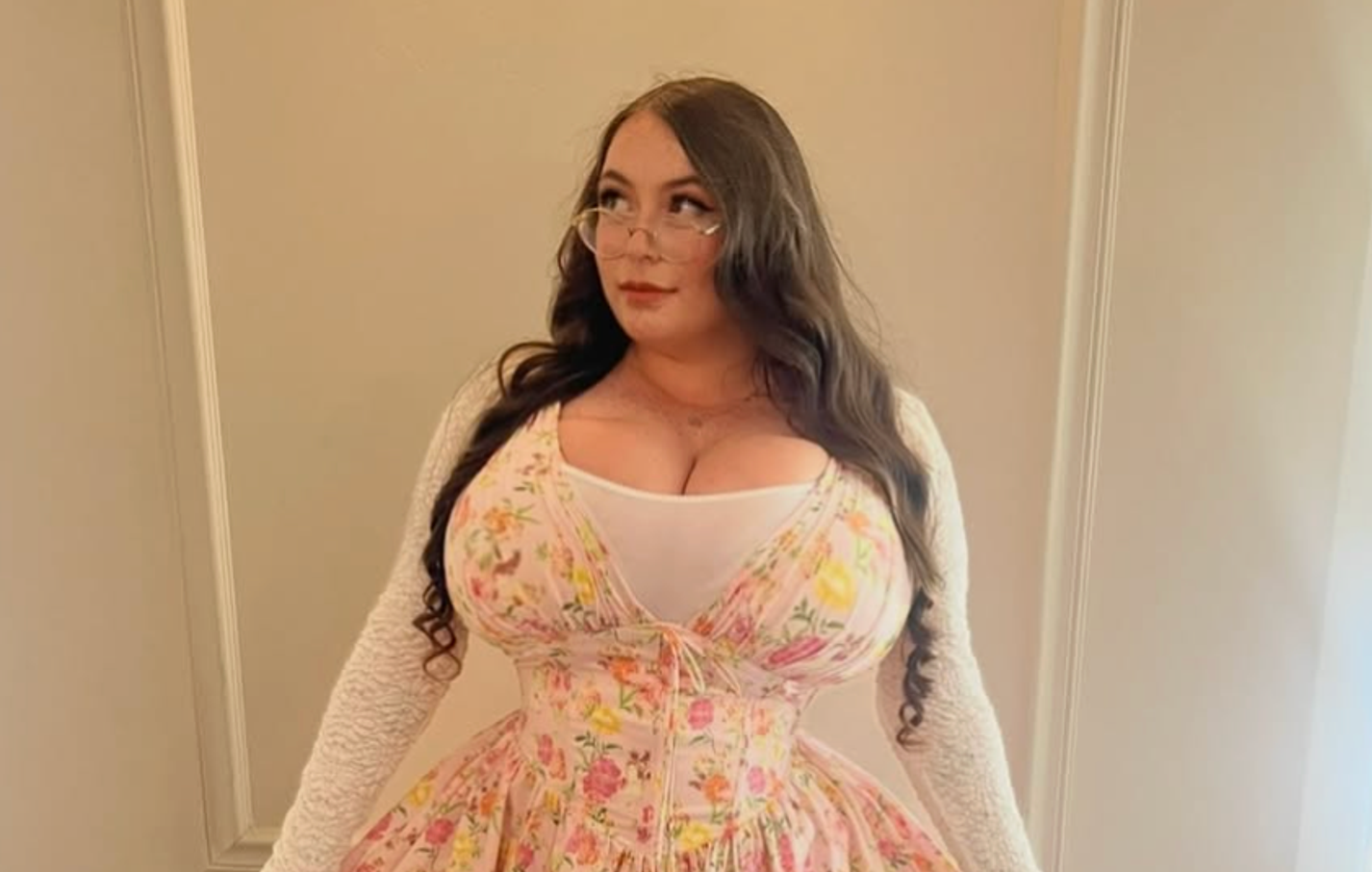
For most women, breast size changes slowly over time in response to natural factors like hormones, weight fluctuations, and life stages such as pregnancy. But when breasts grow far beyond normal expectations, especially in a short period, it can be more than just a curiosity. In the rare cases, such as the one discussed here, size O breasts are a very real part of a medical journey that involves unexpected difficulties and life changes.
The woman at the center of this story developed what doctors call macromastia, a form of breast hypertrophy. This condition involves excess breast tissue that grows rapidly and continues to enlarge over time. In the most extreme cases, it may be classified as gigantomastia, defined by extremely high breast tissue growth that can affect mobility and health.
Unlike typical breast development, which slows and stabilizes after puberty, macromastia can cause breasts to increase in size without stopping. For this woman, breasts that are now around size O have grown significantly over the years, adding real weight and physical strain to her body. The condition is rare, and medical professionals often struggle to determine exactly why it happens in some individuals and not others, although hormonal sensitivity, genetics, and tissue growth factors are believed to play a role.
What started as an ordinary concern about size years ago has become an ongoing condition where her size O breasts are much more than just a physical description. They have dramatically shaped her daily life and how she navigates the world.
Carrying size O breasts can be far more difficult than many people imagine.
View this post on Instagram
In this case, the weight of her chest now exceeds four stone, which is more than 25 kilograms. That level of weight is not just noticeable; it affects posture, movement, comfort, and overall health. Something as simple as walking or standing for long periods can trigger back pain and strain on the shoulders.
From a young age, she noticed her breasts were larger than average. By age 10, she was already wearing B-cup bras, and by her mid-teens, they had grown to a double J size. But the growth did not stop there. As her chest expanded into sizes that fall into size O breasts, she found herself facing chronic discomfort that standard bras could not relieve and everyday life challenges that others rarely think about.
Even with specially made support garments and corsets designed to help manage the weight, the physical toll remains significant. Corsets and custom-made bras are not only expensive but often fail to provide the long-term relief needed. The extra weight can cause muscle tension, sore shoulders, and difficulty performing routine tasks without pain. These realities are central to understanding the physical impact of having size O breasts due to a medical condition.
One of the biggest frustrations for her has been the repeated denial of breast reduction surgery. Despite living with size O breasts that cause pain and physical limitation, she has been denied surgery by public health services because she does not meet specific body mass index criteria. This means her breasts contribute to a classification that labels her as morbidly obese, even though the excess weight is almost entirely breast tissue rather than general body fat.
This contradiction highlights how medical guidelines and criteria can sometimes create barriers rather than help people in need. For many with macromastia, breast reduction surgery can provide relief not just physically but emotionally. Unfortunately, for her, the path to that option has been blocked repeatedly, with doctors telling her she must lose weight that is essentially tied to the condition itself.
Being denied surgical help has intensified her struggles because the condition continues to progress. The sensation of living with size O breasts that keep growing brings not only physical discomfort but emotional strain as well. It is a reminder of how rare conditions can fall into difficult gaps in standard medical care.
Beyond the physical pain, the emotional side of living with size O breasts has been profound. She has described years of misunderstanding and dismissal from medical professionals, starting when she was a teenager. At times, she was told her growth was “just puberty”, and other times, she was incorrectly told that she was overweight despite her lower body measurements. Those early experiences shaped her sense of self and contributed to negative feelings about her body.
These comments and lack of support led to emotional distress and even the development of an eating disorder during her youth. When people around her failed to recognize that her breast growth was not simply a cosmetic issue, it affected her mental health and how she saw herself. The struggle to be taken seriously is a part of her story that many others might not see at the surface level.
This emotional dimension underscores how size O breasts in this context are not just about appearance. The psychological impact of feeling misunderstood, dismissed, and objectified has been part of her difficult journey.
Living with size O breasts also brought unwelcome attention from strangers. Growing up, she experienced teasing from boys at school, was sent home for violating dress codes that did not consider her body type, and faced catcalling while walking down the street. These moments of harassment added extra layers of stress to her life and reinforced unwanted focus on her body size.
In her work environments, the attention did not lessen. She has said that she was often over-sexualized and objectified at hospitality jobs and other public settings. That ongoing focus on her body, rather than on her as a person, created uncomfortable and degrading experiences that she had to navigate regularly.
View this post on Instagram
These social and psychological pressures have been as challenging as the physical discomfort, affecting how she interacts with the world and how comfortable she feels in everyday situations.
Despite the many difficulties tied to her size O breasts, she eventually chose a path that gave her a sense of control and financial security. At age 23, she launched an adult content page under the name “Scotch Dolly.” What began as a decision rooted in practicality became a source of income and a way to embrace her body on her own terms.
Her page has been financially successful, earning her significant money each month. For her, this represented an opportunity to shift the narrative from feeling burdened by her body to making it work for her financially and personally. She has mentioned that her subscribers support her and genuinely appreciate her presence.
This choice also helped her regain confidence and reshape how she views her own size O breasts. Rather than being solely a source of pain or unwanted attention, these physical traits have become part of her identity in a way that empowers her and helps her support herself.
The experience of living with size O breasts due to a rare condition highlights several important points. First, breast size is not always simply a matter of genetics or personal choice. In rare medical conditions like macromastia and gigantomastia, breast tissue can grow excessively, causing real physical and emotional challenges.
Second, the story shows how medical systems and social perceptions can fail people who fall outside expected norms. When health criteria are rigid and do not account for rare conditions, individuals can be left without the help they need. And when social attitudes focus on appearance rather than health and comfort, the emotional toll can be deep.
Finally, this story is about adaptation and resilience. Finding ways to cope, reclaim one’s narrative, and make decisions that bring personal stability and confidence are powerful lessons for anyone facing difficult body-related challenges.
The story of size O breasts is not just about size or shape. It is a complex narrative involving rare medical growth, physical discomfort, emotional struggle, and eventual empowerment. Through years of challenges, repeated medical misunderstandings, and public attention, one woman has turned a difficult situation into a source of strength and financial independence. Her journey reminds us that behind every unusual health condition is a human story of resilience and adaptation.
If you or someone you know is struggling with body image, rare medical conditions, or emotional stress linked to physical health issues, reaching out to a qualified medical professional or support network can make a meaningful difference.


