

Victoria Wright entered the world with an exceptionally rare genetic disorder known as cherubism, a condition that causes abnormal bone growth in the lower part of the face. The first signs appeared when she was just four years old, and initially, doctors struggled to understand what was happening.
Medical experts have even compared the weight of her face to that of a bowling ball. As she grew up, Victoria endured relentless bullying — both in school and on public transport. Still, she refused to let cruelty define her. Today, she stands as an inspiring figure and outspoken advocate. Here’s a closer look at her journey — and how she looks today.
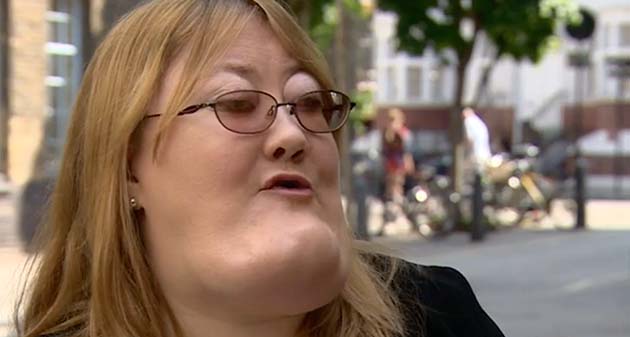
We are all different, and that diversity is what makes life interesting. Some people grow tall, others remain short; some gain weight easily, while others don’t despite poor eating habits. Hair colors vary, and some people have none at all. Every individual carries traits that make them unique.
Each year, children are born with various conditions, diagnoses, or distinctive facial features. While these differences can bring challenges, those who live with them often prove to be among the most resilient and courageous.
Victoria Wright – born with cherubism
Victoria Wright’s story is a powerful example of this resilience. Born with cherubism — a rare condition involving abnormal bone growth in the lower face — she became a target for bullying from a young age. Even as an adult, she still faces insensitive remarks.
However, Victoria never allowed negativity to defeat her. Instead, she transformed her experience into strength, becoming a role model for people around the world. Through humor and honesty, she has chosen to show others what it truly means to live with a facial difference.
At birth, everything seemed completely normal. Her parents were overjoyed, and there were no signs that anything was wrong. But everything changed when she turned four.
“My mum was brushing my teeth, and she noticed they weren’t in the right place,” Victoria Wright told the NHS.
The early signs of cherubism had begun to emerge — a rare condition named after the cherubic figures in Renaissance art, often depicted with rounded cheeks.
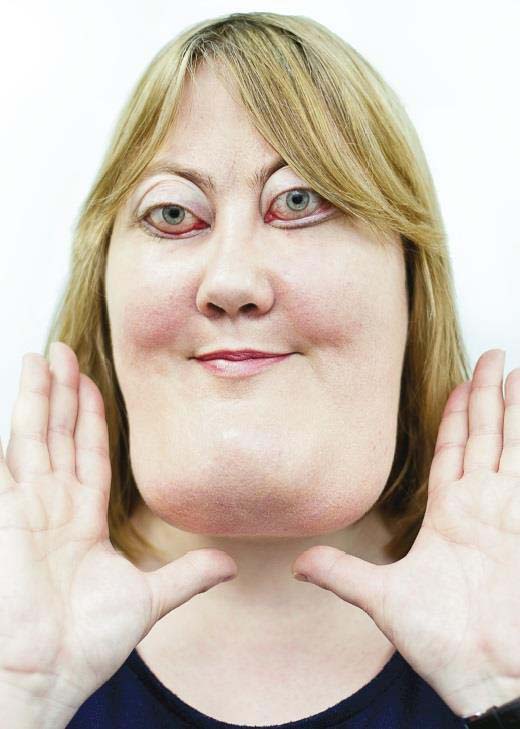
After medical evaluations, doctors confirmed the diagnosis and reassured the family that the condition might improve after puberty. However, that improvement never came.
Instead, Victoria’s jaw continued to grow, eventually placing pressure on her eyes. The situation became serious enough to require medical intervention.
Suffered from bullying everywhere she went
She underwent surgery to relieve the pressure, which ultimately saved her eyesight. Even so, she continues to experience headaches due to her impaired vision.
“Cherubism isn’t a painless condition. I do get twinges of pain. My head is very heavy. Doctors say it’s as heavy as a bowling ball,” Wright explained.
“I’ve been offered surgery on my jaw to make it smaller, but I don’t think it would improve my appearance. I’m used to the way I look.”
School years were especially difficult. In a piece she wrote for The Guardian, Victoria detailed the bullying, threats, and verbal abuse she faced daily.
Classmates mocked her with nicknames such as Fat Chin, Buzz Lightyear, and Desperate Dan.
“A girl used to draw pictures of me in class and share them around,” Victoria said.
No matter where she went — school, the bus, or simply walking down the street — people stared. Over time, she came to understand that curiosity is part of human nature.
“I try not to take it too personally. We all stare, even me,” Wright said.
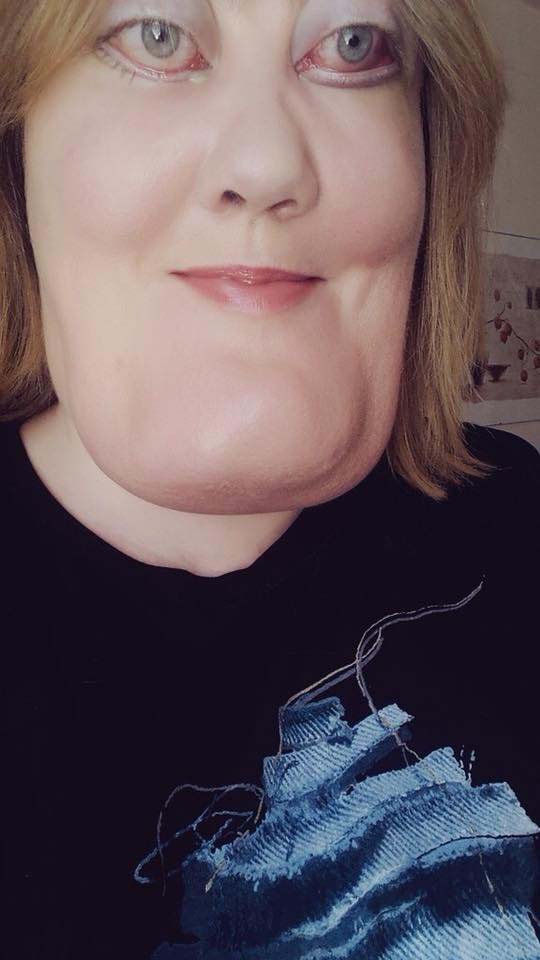
“As a teenager, I used to get angry, but that doesn’t do any good to you or the person staring. It just reinforces the stereotype that people with disfigurements must be angry, tragic, or scary. If I find myself being stared at in an aggressive way, it can be unsettling. But I don’t let it get to me.”
She continued, “If someone’s staring out of curiosity, I just smile and nod to show them I’m a human being and there’s nothing to be scared of. Most of the time, people smile back. That’s a good feeling, because I know I’ve made a small connection with them.”
Victoria Wright – ‘Changing Faces’
As a teenager, Victoria experienced a turning point when she discovered the charity Changing Faces, one of the UK’s leading organizations supporting people with visible differences.
Through this organization, she found not only support but also a sense of belonging. Alongside her family, friends, and teachers, it played a crucial role in helping her understand her worth.
“As a teenager meeting them, I felt, ‘Wow, you can have a career and be happy and confident with a disfigurement,” she told the NHS.
“Sometimes you can feel isolated, especially if you have a rare condition. It’s difficult if you don’t see anybody else in the street like you. Getting peer support is so important. For every person who stares, there are a hundred others who don’t and who will like and respect you for who you are.”
With this new perspective, Victoria began focusing on the positives and even embraced humor as a way of expressing herself.
“I’m not going to change myself to make other people happy”
Many people have questioned why she hasn’t chosen cosmetic surgery. However, Victoria emphasizes that the decision is deeply personal.
“I’m certainly not against people with disfigurements having surgery, but I’m fine with the way I look. Why should I have the surgery for other people?” Victoria Wright asked.
“I’m happy with my face most days. After all, I’m a woman, and no woman is completely happy with the way she looks. But I’m not going to change myself to make other people happy.”
She added, “I don’t want to hide at home, afraid to go out and afraid of other people. If they have issues about how I look, it’s their problem, not mine.”
In 2016, Victoria reached a wider audience after appearing in the BAFTA-nominated mockumentary Cast Offs, which followed disabled individuals on a fictional reality show.
The production stood out for casting actors with real disabilities, challenging long-standing industry norms.
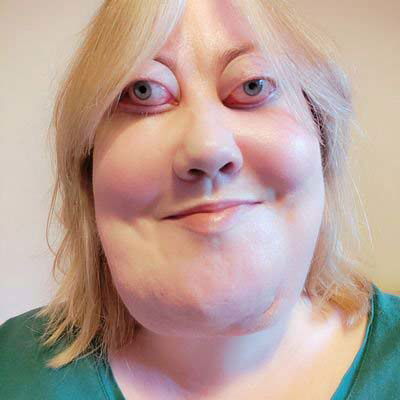
Victoria Wright was born with cherubism – this is her today
“I remember in your casting Victoria, you had to invent a secret. You claimed that you’d had plastic surgery to become funny-looking. I remember the look on the face of the person you were acting with. It was a brave, bold, and funny moment – everything we were looking for,” Boyle said.
Miranda added, “I often forgot that neither of you [Victoria and co-star Peter Michell] had acted before. You both performed with great professionalism and proficiency, and it was a joy working with such a talented group of actors.”
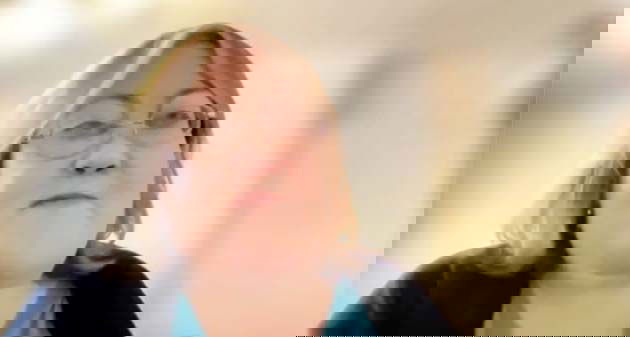
Today, Victoria Wright is a mother and an active campaigner for disability rights. She also serves as a spokesperson for Jeans for Genes, a major UK fundraising initiative supporting people with genetic conditions.
“Throughout my life, I’ve met people who assume that because of how I look, I must live a depressing, isolated life, but I have a good life. I’m a charity campaigner and public relations professional, and I’m blessed with a young daughter who makes me laugh every day,” she said.
Victoria continues to inspire people everywhere — proving that strength, confidence, and self-acceptance can redefine any narrative.


