

Every relationship begins with fire — the late-night conversations, the warm hand-holding, the kisses that seem to last forever. In the beginning, closeness feels effortless. You don’t think about it. You don’t work for it. It simply flows.
But as time passes, something shifts. What once felt alive begins to soften, leaving couples quietly asking themselves: What happened to us?
The truth is this: intimacy rarely disappears because love suddenly dies. It fades because something far more subtle begins to grow. The most common reason couples lose intimacy isn’t a lack of attraction — it’s distance. Emotional distance that slowly builds until the bond feels thinner, weaker, quieter.
Emotional Distance Comes First

Most couples don’t notice the shift right away. One partner starts feeling unheard in small moments. The other gets buried in work, stress, or distractions. Tiny moments of disconnection pile up, and instead of being addressed, they are left hanging in silence.
Over time, that silence becomes a space — a quiet gap between partners. And that gap shows up everywhere: fewer touches, less eye contact, less desire to be close. Because physical intimacy can’t survive when emotional intimacy is fading underneath.
Routine Takes Control

In the early days, everything feels new. You make an effort — date nights, surprises, thoughtful little gestures that keep the spark alive. But then routine settles in. The same schedules, the same chores, the same conversations.
Routine can bring comfort, but it can also bring danger. When passion becomes optional, couples forget that intimacy needs effort, not autopilot. What used to feel exciting becomes “we’ll do it later,” and later quietly turns into weeks… sometimes months.
Communication Slows Down

One of the strongest predictors of fading intimacy is silence — not peaceful quiet, but the lack of real, vulnerable communication. Couples stop expressing what they feel. They avoid talking about needs that aren’t being met. They hope things will magically fix themselves.
But intimacy doesn’t grow in silence. It grows in honesty. Without it, two people can sleep in the same bed every night and still feel completely alone.
Stress Enters the Relationship
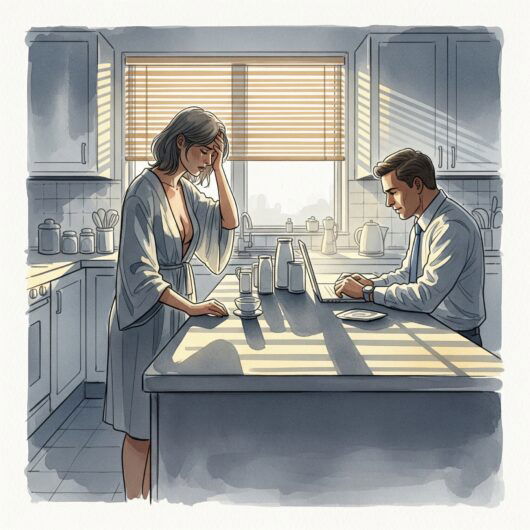
Work pressures. Money worries. Parenting. Family obligations. Stress creeps into the relationship and settles in like an unwanted third partner. When exhaustion takes over, closeness stops feeling natural and starts feeling like another responsibility.
And when stress remains unchecked, couples begin living as teammates managing life — not as partners sharing love.
Unresolved Conflicts Pile Up

It’s rarely the big fights that kill intimacy. It’s the small ones. The tiny hurts that never quite get talked through. The sharp comments brushed off. The apologies that never came.
These moments don’t vanish. They become emotional clutter. And the more clutter there is, the harder it becomes to feel open, vulnerable, and connected.
Effort Slowly Fades

In the beginning, effort feels easy. You show up as your best self, listen with genuine intention, plan with excitement. But over time, comfort turns into complacency.
When the effort fades, so does the spark — because intimacy doesn’t survive on memories. It survives on daily actions.
Final Thoughts
Most couples don’t lose intimacy because they fall out of love. They lose it because they stop nurturing the connection that intimacy depends on. Emotional distance grows, routines take over, communication weakens, stress builds, and slowly the closeness slips away.
But the hopeful truth is this: intimacy can always be rebuilt. It doesn’t require dramatic gestures — only consistent ones. Listening, paying attention, choosing closeness in small everyday ways. Protecting the relationship from distance and routine.
Love doesn’t lose its fire on its own. It only dims when we stop fueling it. And the couples who keep intimacy alive aren’t the ones who never face challenges — they’re the ones who keep choosing each other, especially when life tries to pull them apart.


