This TV chef is still haunted by ‘soul crushing’ childhood

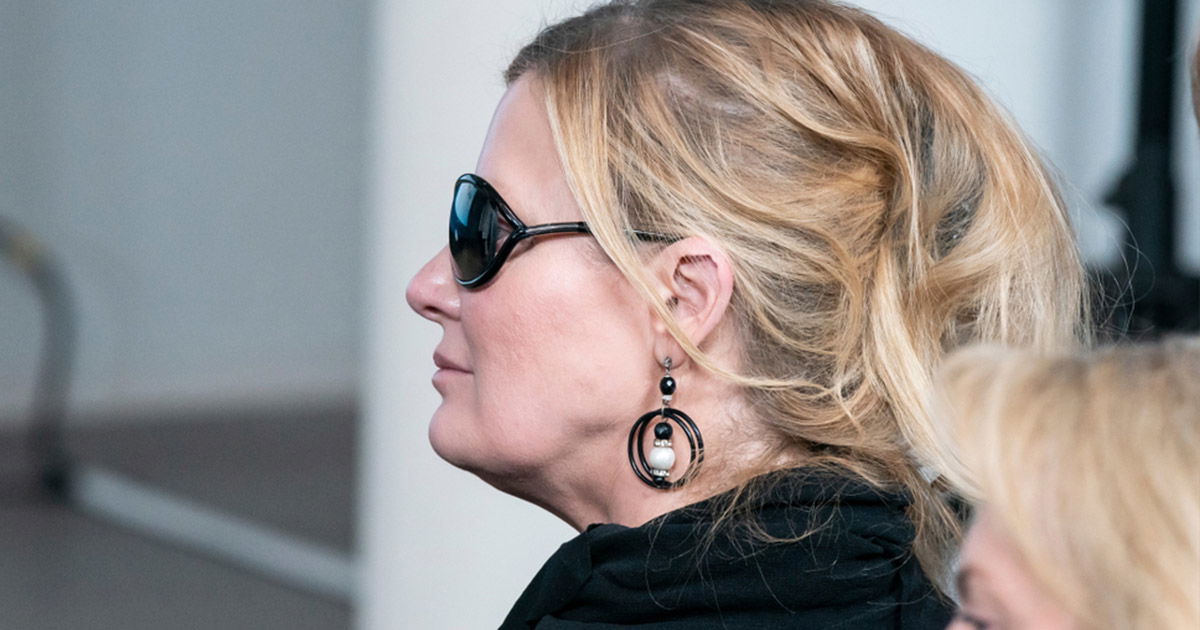
She first appeared on television as a bright, blonde presence with effortless charisma. Viewers saw glamour and confidence. What they didn’t see was the instability and hardship that shaped her long before fame arrived.
Abandoned by a mother struggling with drug addiction, she was forced into survival mode at an age when most children are still being cared for. Food stamps kept the family afloat. Years later, she would confront yet another battle — a life-threatening cancer diagnosis.
Born in 1961 in Santa Monica, California, her early years were anything but idyllic. Although her parents had been high school sweethearts, the family fractured quickly. At just two years old, she and her sisters were sent to live with their paternal grandmother.
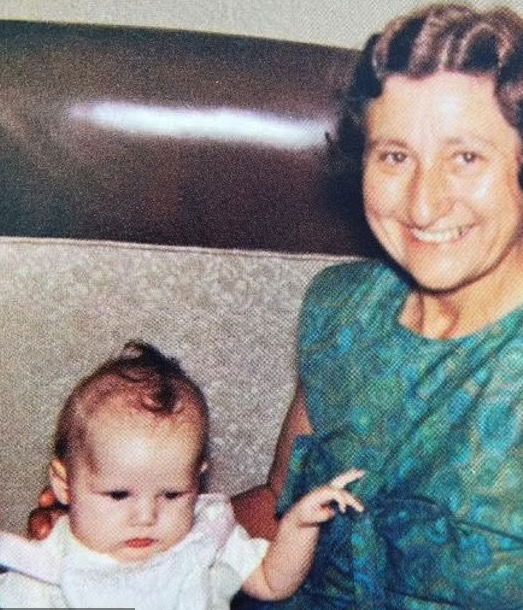
Her grandmother, a cafeteria worker known for clipping coupons and stretching every dollar, built a home filled with warmth and the smell of freshly baked goods. For a time, there was stability. Then the calm unraveled.
After four years, her mother returned with a new husband and moved the children to Washington. The household descended into dysfunction. By age 11, she had effectively become the caregiver for four younger siblings. Her mother, Vicky, battled prescription drug addiction and could be physically abusive, often remaining in bed for days.
Cooking, cleaning, and managing school responsibilities fell on the young girl’s shoulders. The family relied on welfare and food stamps, and even a few dollars could determine whether there would be enough to eat at the end of the month.
”On the way home [from the store], I had to ride very carefully so that the full plastic bags hanging from my handlebars wouldn’t swing and break the eggs,” she shared in her memoir.
The humiliation of paying with food stamps left a lasting mark.
”I remember standing in line at the grocery store with the food stamps and it was mortifying for me, because the girl – she was like the popular girl in school – [and] her parents were the rich family [and] they owned the dairy,” the star recalled while speaking with Daily Mail in 2024.
Determined not to be defeated by circumstance, she looked for ways to contribute. As a teenager, she earned money raking leaves, picking berries, and selling handmade potholders for a dollar each. Those early hustles helped forge the discipline and entrepreneurial instincts that would later define her career.
The abuse escalated over time. One night, after calling 911 when her mother swallowed a bottle of pills, the situation turned violent. In her memoir, she described how her “eyes were swollen” and her body was “covered in welts.” Her stepfather also crossed boundaries, leaving both physical and emotional scars.
Despite everything, she refused to let trauma dictate her future.
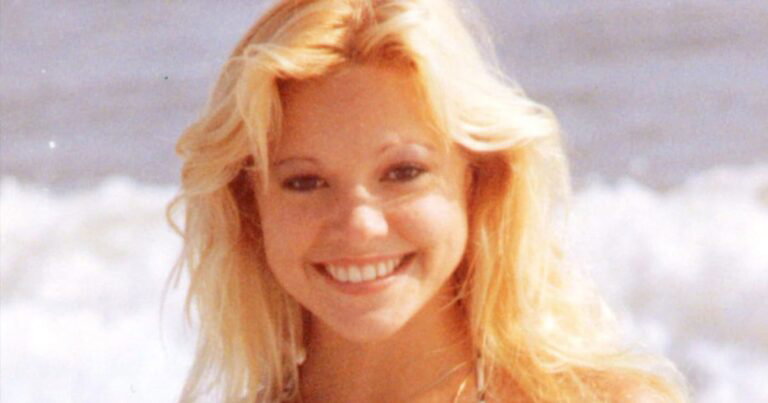
That determined young girl would grow up to become Sandra Lee, the television chef and lifestyle personality recognized by millions. She rose to prominence with Semi-Homemade Cooking, which debuted on Food Network in 2003. The show ran for 15 seasons and introduced her “semi-homemade” formula: 70 percent packaged ingredients, 30 percent fresh.
Her on-screen appeal and business acumen propelled her far beyond a single series. She authored 27 books, launched a production company and lifestyle magazine, and earned a Daytime Emmy Award in 2012 for Outstanding Lifestyle/Culinary Show Host. Her programs have aired in more than 60 countries.
Much of her culinary inspiration traces back to her grandmother’s kitchen.
”My grandmother was a great cake baker and was fantastic with icings, and that was kind of her gift to everybody at her church. She would do the wedding cakes and she would do the baby shower cakes and she would do all the special birthday cakes, and she wouldn’t allow anybody to pay her for this,” Sandra says.
Her personal life also drew headlines. In 2001, she married philanthropist Bruce Karatz and converted to Judaism. The lifestyle was worlds apart from her childhood — a Bel Air mansion, luxury cars, high-profile parties. The marriage ended in 2005.
Soon after, she began a relationship with Andrew Cuomo, whom she met at a garden party following his divorce from Kerry Kennedy. Their romance was initially private before becoming public. When Cuomo became the 56th Governor of New York in 2011, she stepped into the informal role of first lady of the state.
Yet she emphasized that their domestic life was far from extravagant.
”We do not have full-time help,” she told New York Magazine and added: ”We are normal people. Our basement flooded this morning. Two weeks ago, the snow melted and came in between the floors, and we had buckets in the living room.”
In 2015, she faced one of her greatest challenges: a breast cancer diagnosis. Though detected early, the treatment journey was intense. She underwent a lumpectomy followed by a double mastectomy, with Cuomo supporting her throughout. Complications led to an infection that required intravenous medication for months.
By the end of that year, she announced she was cancer-free. In 2022, she also underwent a hysterectomy.
Rather than retreat from public life, she transformed her diagnosis into advocacy. She championed New York’s $91 million “No Excuses” legislation, which expanded breast cancer screening and eliminated insurance co-pays for mammograms.
In 2019, she and Cuomo announced their separation in a joint statement:
“Over the recent past, we have realized that our lives have gone in different directions and our romantic relationship has turned into a deep friendship”.
Although she never had children of her own — a decision she has openly embraced — Sandra devoted herself to family. During her relationship with Cuomo, she formed a close bond with his three daughters. Beyond that, she has consistently supported her siblings and their children, reportedly helping with cars, homes, education expenses, and extracurricular activities. For someone who once struggled to afford groceries, being able to provide stability for others carries profound meaning.
Now in her late 50s, Sandra continues to defy expectations — both professionally and personally. In recent years, she has been linked to Algerian-born actor Abdulwahab Benyoucef, known professionally as Ben Youcef, beginning in 2021.
Her career remains active. She currently headlines Blue Ribbon Baking Championship on Netflix, a competition series spotlighting top state fair bakers competing for a $100,000 grand prize. The project had long been close to her heart.
”I presented the Blue Ribbon Baking Championship to Food Network all those years ago and they didn’t buy it and I was like, “Are you kidding me?” It was crazy, and I was like the hottest thing on that network at the time, and I just couldn’t believe it!,” she told Daily Mail.
View this post on Instagram
Beyond television, Sandra has partnered with QVC’s “Age of Possibility” initiative, focused on empowering women over 50 — a demographic she believes deserves far more visibility and celebration.
“I think what happens when you turn 50 is that you realize—if you’re lucky—you’re halfway through, if not more. Your body is changing, and you have to pay attention to all those things.”
When asked whether she feels pressure to maintain a flawless appearance in an industry obsessed with image, she offered a candid and unapologetic perspective:
”There’s a reason why we all like wash our face and put lotion on and put makeup on. I don’t think any of us are going down without a fight. I’m in the Chercamp – whatever makes you feel hot, do it!’”
From a childhood defined by food stamps, abuse, and survival, to Emmy-winning television success and national health advocacy, Sandra Lee’s life story is marked by resilience and reinvention. Her trajectory is not one of overnight fame, but of endurance — a woman who turned hardship into fuel, trauma into drive, and illness into purpose.