

Most secure countries have become a topic of intense curiosity as geopolitical tensions continue to rise around the world. Recent military strikes and ongoing conflicts have led many people to wonder what might happen if a global war erupted. While the idea of World War III remains speculative, discussions about safety, geography, and political neutrality have sparked interest in which parts of the world might be safest if such a scenario occurred.
Rising tensions in several regions have fueled fears that current conflicts could escalate. Military exchanges involving the United States, Iran, Israel, and other actors in the Middle East have added to global uncertainty. At the same time, the ongoing war in Eastern Europe and concerns about potential conflicts elsewhere have caused people to consider how a global conflict might unfold. If such a crisis ever expanded into a worldwide war, some experts believe a small group of places might offer more protection than others.
In theory, certain nations could avoid the worst effects of a global conflict because of geography, neutrality, or their ability to sustain themselves with natural resources. These places are often remote, politically neutral, or rich in food and agricultural capacity. While no location could guarantee total safety, some regions appear more capable of avoiding direct conflict or surviving the aftermath. According to various reports, several destinations stand out as potential refuges.
Below are 11 locations often mentioned when discussing the most secure countries in the event of a global war.
Antarctica
When discussing the most secure countries or territories in the world during a global conflict, Antarctica often comes up first. The continent is remote, isolated, and far away from major political centers and military infrastructure.
Antarctica has no permanent civilian population and is primarily used for scientific research. Because it is governed by international treaties rather than traditional national control, it is unlikely to be considered a strategic military target. Its sheer distance from populated areas would make it extremely difficult for any large-scale military activity to take place there.
However, survival in Antarctica would come with serious challenges. The environment is one of the harshest on Earth. Temperatures can drop to extreme lows, and food production is practically impossible without significant infrastructure. While the icy continent could theoretically protect people from nuclear fallout or military strikes, the climate itself would create major survival difficulties.
For that reason, Antarctica may technically qualify as one of the most secure countries or territories in terms of avoiding conflict, but living there would be incredibly difficult.
Iceland
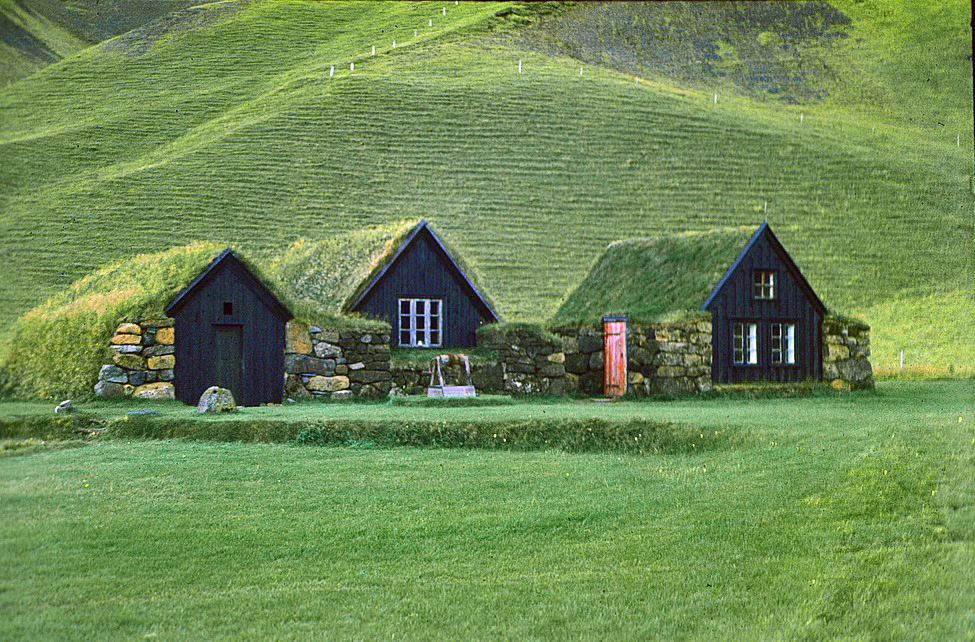
Iceland is frequently mentioned among the most secure countries due to its location and historical neutrality. Situated in the North Atlantic Ocean, the island nation is geographically distant from many of the world’s major conflict zones.
Another factor contributing to Iceland’s reputation for safety is its limited history of warfare. The country has largely avoided participation in modern conflicts and has not been the site of military invasions in recent history.
Its remote location also means it is not surrounded by large military powers that might pull it into a global conflict. In a hypothetical global war scenario, Iceland’s isolation could reduce the likelihood of it becoming a target.
Life there would still be challenging due to the cold climate and limited agricultural land. However, its peaceful reputation and geographic separation place Iceland on many lists of the most secure countries in times of global instability.
Tuvalu
Tuvalu is one of the smallest and least populated nations in the world. Located in the Pacific Ocean, the island nation has a population of roughly 11,000 people.
Its remote location makes it easy to overlook on a geopolitical map. Large military forces typically focus on strategic regions, major cities, and industrial centers. Tuvalu does not fit into any of those categories.
Because of this, the island could theoretically remain untouched during a large global conflict. Aircraft routes and naval paths often pass over the Pacific Ocean, but Tuvalu itself is not a major destination for international military activity.
Its small population and isolation are exactly why it is sometimes listed among the most secure countries during discussions about global war scenarios.
Argentina
Argentina stands out among the most secure countries for a different reason. While geography plays a role, the country’s agricultural resources are especially important.
One major challenge during global conflict is the breakdown of supply chains. International trade can collapse, and many countries rely heavily on imported food and resources. Nations that can feed themselves become much more resilient in these situations.
Argentina has vast farmland and is one of the world’s largest producers of wheat. That level of agricultural production means the country could theoretically sustain its population even if global trade stopped for an extended period.
This ability to produce food domestically could be a key factor during what scientists often describe as a potential “nuclear winter,” when global agriculture might struggle due to climate disruptions caused by nuclear conflict.
Because of its food supply and geographic distance from many global tensions, Argentina is often included among the most secure countries in hypothetical survival discussions.
Bhutan
Bhutan has built a reputation as a peaceful and neutral country. The small Himalayan nation formally declared neutrality in international conflicts in 1971, which has helped it maintain a stable political position on the global stage.
Its mountainous geography also provides natural protection. The rugged terrain makes large-scale military invasions difficult. Many parts of the country are remote and hard to access, creating natural defensive advantages.
Bhutan’s commitment to peace and its geographic barriers both contribute to its inclusion on lists discussing the most secure countries. While the nation is small, its isolation and diplomatic approach could help it avoid direct involvement in global conflicts.
New Zealand
New Zealand frequently ranks highly on global peace indexes and is widely considered one of the most stable countries in the world. Its location in the southern Pacific Ocean places it far from many major geopolitical flashpoints.
The country’s distance from large military powers could reduce the chances of it becoming a direct target during a global conflict. Additionally, New Zealand has a strong agricultural capacity, which could help sustain its population if global supply chains collapsed.
Experts have suggested that regions in the Southern Hemisphere might experience less disruption to food production compared to certain northern regions in the event of nuclear winter. Because of its farmland and isolation, New Zealand often appears in discussions about the most secure countries during hypothetical global crises.
Australia
Australia shares several advantages with its neighbor, New Zealand. The country is located in the Southern Hemisphere and has large areas of farmland capable of supporting agricultural production.
Geographically, Australia is isolated from many of the world’s largest conflict zones. This distance could reduce the likelihood of direct military attacks.
Some experts have also suggested that the Southern Hemisphere could be more capable of maintaining agriculture during the aftermath of a nuclear conflict. If global temperatures dropped significantly due to atmospheric changes, regions with stable food production would become extremely valuable.
Australia’s ability to produce food and its geographic isolation are two reasons it often appears among lists of the most secure countries.
Switzerland
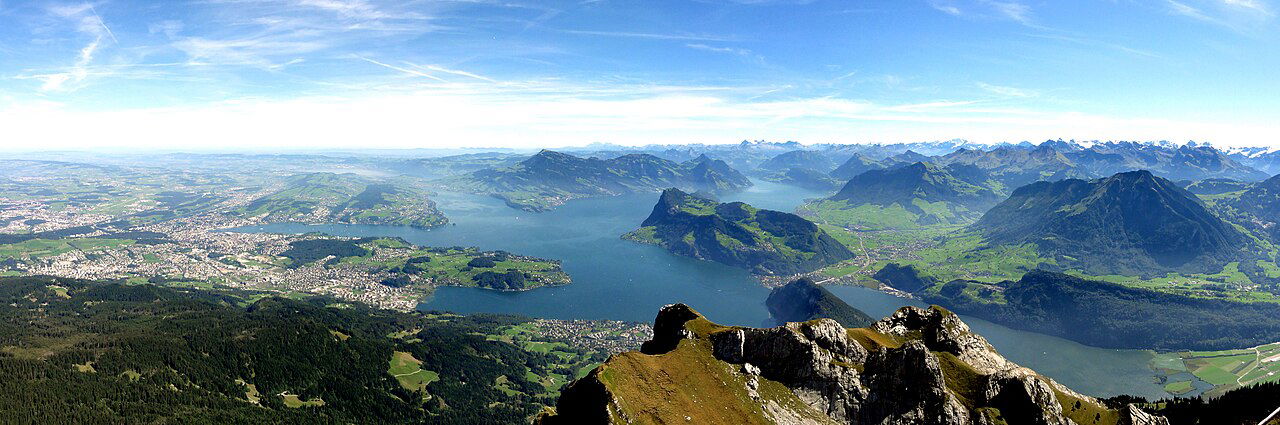
Switzerland has a long-standing reputation for neutrality. For centuries, the country has avoided involvement in many global conflicts, maintaining a policy of political neutrality that is widely recognized internationally.
This tradition has helped Switzerland remain outside many wars that affected the rest of Europe. The nation’s political stance, combined with its mountainous geography, provides both diplomatic and natural protection.
Switzerland also has a strong infrastructure and a well-prepared civil defense system. These factors make it a frequent candidate when discussing the most secure countries in times of global crisis.
Indonesia
Indonesia is another nation often mentioned when discussing global stability and neutrality. The country has historically avoided becoming deeply involved in large international conflicts.
Its geographic structure also plays a role. Indonesia is made up of thousands of islands spread across a vast area. This complex geography could make large-scale military operations difficult.
Additionally, Indonesia has supported various international peace efforts, reinforcing its reputation as a nation focused on stability rather than military expansion.
Because of its political stance and geographic complexity, Indonesia sometimes appears on lists of the most secure countries in potential global conflict scenarios.
Chile
Chile is another South American nation that benefits from both geography and natural resources. The country stretches along a long coastline and includes diverse landscapes that could provide strategic advantages during a crisis.
Like Argentina, Chile also has access to significant agricultural and natural resources. Having reliable food supplies and freshwater can be essential if global trade systems collapse.
Its geographic distance from many major geopolitical conflicts is another reason Chile is sometimes included among the most secure countries.
Fiji
Fiji is another island nation that stands out because of its isolation. Located far from many large countries, the Pacific island state is thousands of miles away from major military powers.
Its remote location could make it less likely to become involved in global conflicts. Additionally, Fiji has large forested areas and natural resources that could provide basic supplies for survival.
While it is a relatively small nation, its distance from global power centers is why it sometimes appears in discussions about the most secure countries in the event of global war.
South Africa
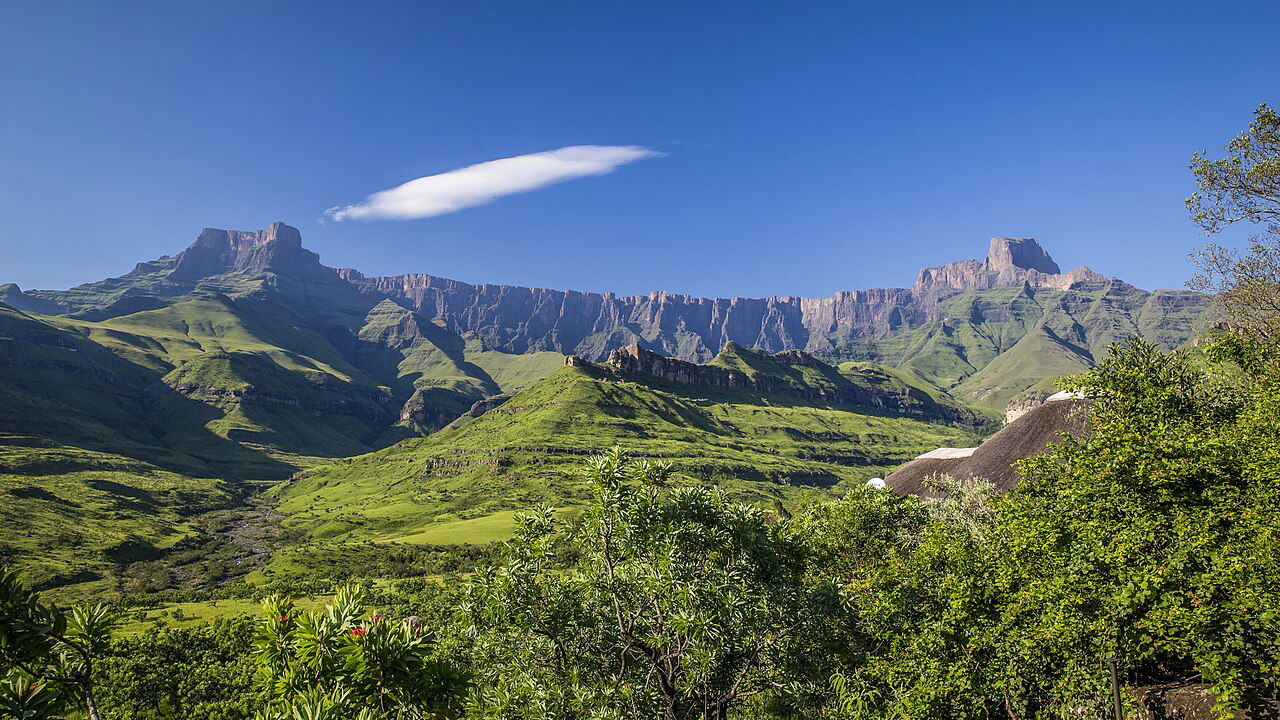
South Africa also appears on lists of the most secure countries due to its resources and agricultural capacity. The nation has extensive farmland, fresh water sources, and a strong agricultural sector.
Access to food production could become one of the most important factors during a prolonged global crisis. Countries that rely heavily on imports could face shortages if supply chains collapsed.
South Africa’s ability to grow food and sustain farming activities would help it remain more stable during disruptions. Combined with its geographic distance from many global conflicts, these factors make it another candidate among the most secure countries.
When analysts discuss the most secure countries during hypothetical global conflicts, they often focus on three major factors. Geography is the first. Nations that are remote or isolated are less likely to become immediate targets.
The second factor is political neutrality. Countries that historically avoid military alliances or conflicts may have fewer enemies and therefore face lower risks of direct attacks.
The third factor is resource independence. Nations capable of producing their own food and maintaining agriculture during difficult conditions may be better prepared for prolonged crises.
No country can guarantee total safety during a large global conflict. However, some locations have characteristics that could make them more resilient than others.
It is important to remember that discussions about the most secure countries are largely theoretical. Global conflicts are unpredictable, and many factors could change how events unfold.
Political alliances, military strategies, and economic systems all influence how wars develop. Even countries considered remote or neutral could face unexpected challenges during a global crisis.
Still, examining geography, neutrality, and resources offers insight into which regions might have advantages if the world ever faced a scenario as extreme as a global war.
For now, the idea of the most secure countries remains a topic of speculation rather than certainty. But it continues to capture attention as people look at the world map and wonder where safety might exist in the most extreme circumstances.


