
Trump Allegedly Has Ordered Top Generals to Draw Up a Greenland Invasion Plan

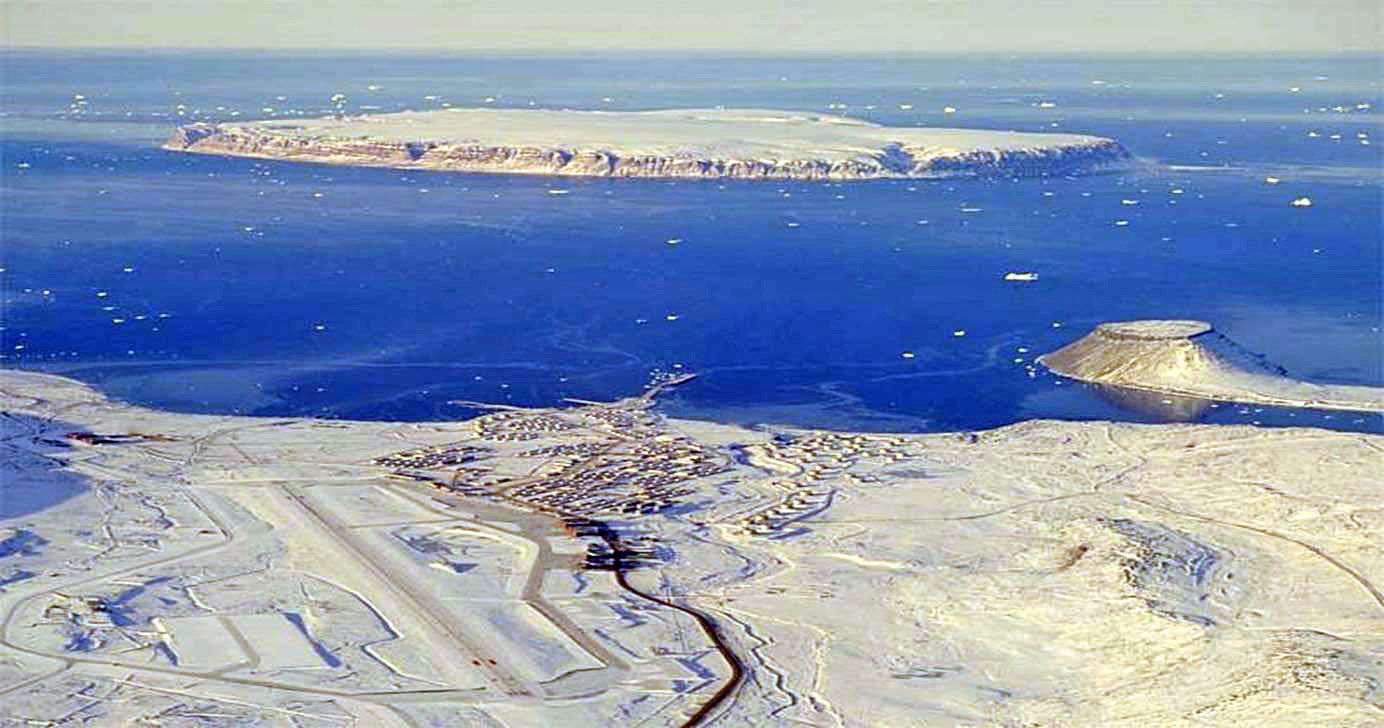
Greenland has become the centre of one of the most intense geopolitical controversies of 2026 after Donald Trump’s renewed push to secure control of the vast Arctic island. The Greenland story has attracted international attention because it involves questions of national sovereignty, alliance relationships within NATO, national security arguments from the United States, and sharp rejection from Greenlandic and Danish leaders. What initially sounded like a political talking point has turned into a serious diplomatic confrontation with worldwide repercussions.
What Is Trump’s Greenland Plan
Donald Trump has signalled that he wants to bring Greenland under U.S. control and is pursuing proposals that range from buying the island to potentially more forceful measures. His latest public remarks suggest that he believes the United States must act decisively in Greenland’s case, warning that if the U.S. does not seize control “whether they like it or not,” other powers like Russia or China might. His comments have been widely reported and have rekindled global discussion about U.S. intentions toward the island’s sovereignty.
Trump’s supporters within his administration have reportedly drawn up formal military plans for how an invasion of the island could be carried out if needed, and have suggested that detailed strategic options are under consideration. At the same time, some senior military leaders have expressed reservations about the legality and wisdom of such plans, warning that an invasion would spark grave political and legal problems for the United States.
Greenland is the world’s largest island, located strategically between North America and Europe in the Arctic. It is currently an autonomous territory within the Kingdom of Denmark, meaning it governs most of its own internal affairs but relies on Denmark for defence and foreign policy. Its location and natural resources make it a point of interest for global powers, especially as Arctic ice melt opens new shipping lanes and opportunities for mineral extraction.
In Trump’s view, placing the island under U.S. control would serve national security by ensuring that Russia or China cannot dominate the region. He has argued publicly that the U.S. needs the island to safeguard its interests and to assert American power in the Arctic. Critics, however, call this a pretext and warn that it could destabilize international relations and damage alliances.
The reaction in Greenland has been overwhelmingly negative. Greenland’s leaders have repeatedly rejected the idea of transfer of control to the United States, saying the future of their island should be decided by Greenlanders themselves according to international law. In multiple statements, political leaders there have affirmed their identity as Greenlanders first and refused to accept any notion of annexation or forced control.
In Denmark, the government is equally firm in opposing any attempt by the U.S. to take over Greenland. The Danish prime minister has said that the United States has no legal right to annex the territory and that threats of invasion are unacceptable. Danish officials have pointed out that such actions would constitute a violation of the sovereignty of a country that is part of NATO, raising the prospect of a serious rift within the alliance.
Denmark has also stressed that the island is not for sale, and diplomatic efforts are underway to reaffirm support for Greenland’s autonomy, including discussions with European allies about cooperation on Arctic security that respects Greenland’s status.
Trump’s plan has created tension within NATO because Denmark is a long-standing member and Greenland falls under the treaty’s collective defence obligations. If the U.S. were to attempt a military takeover, other NATO members could be obligated to defend Denmark under Article 5 of the NATO treaty. This risk has alarmed European leaders who see threats of U.S. force as destabilizing for the alliance.
Even some U.S. officials who are close to the Trump administration have emphasised the importance of maintaining alliance unity, while working through diplomatic channels rather than coercive pressure. Efforts to purchase or negotiate access to the island have been discussed as alternatives to overt military action, but those options face strong resistance from Greenlandic and Danish authorities.
One idea the U.S. has explored is the possibility of purchasing Greenland from Denmark, similar in concept to the United States purchase of Alaska in the 19th century. In the past, U.S. negotiators have attempted to buy the island, though those efforts failed. Recent discussions have again broached this idea, with officials saying that a negotiated deal would be preferable to force, but that even a purchase would be difficult because both Denmark and Greenland firmly reject the concept of selling their land.
Some U.S. political figures have even introduced legislative proposals to facilitate such a purchase or acquisition. One such bill would have allowed the U.S. to acquire Greenland and even rename it, but these proposals remain controversial and have not gained broad support in Congress.
Despite these legislative attempts, polls suggest that a majority of Americans do not support using force to take over the island, and many see the idea as unrealistic or unpopular. This public sentiment adds another layer of complexity to the Greenland debate.
While Trump and some aides have said that the United States would prefer to pursue Greenland peacefully, his repeated suggestion that the hard way might be used if necessary has sparked fear. War plans and contingency studies have been reportedly drafted by U.S. military planners at Trump’s direction, but top generals have warned that such a move could be illegal, damaging to NATO, and a violation of international law.
Legal experts say that invading a territory that is part of an ally’s sovereign lands would break multiple international agreements and could lead to serious diplomatic and possibly military backlash. The United Nations Charter protects the territorial integrity of states, which means that any attempt to take the island by force would likely face widespread condemnation.
European leaders, including those from France, Germany, the United Kingdom, and other NATO members, have reiterated their support for Greenland’s autonomy and rejected any unilateral move by the U.S. to seize control of the island. These leaders argue that decisions about Greenland should be made with the full consent of Greenland’s people, and stress that outside pressure undermines trust among allies.
International organisations and security experts have also weighed in, warning that Trump’s Greenland plan echoes historical moments when powerful nations disregarded sovereignty and territorial rights, often with devastating consequences. Comparisons have been drawn to past Cold War behaviours where powerful states forced their will upon smaller ones.
Polls and local leaders in Greenland indicate strong resistance to becoming part of the United States. In surveys conducted in recent years, a significant majority of Greenlanders have said they do not want to join the United States under any circumstances, whether through purchase or force. Many emphasize their distinct cultural and national identity and make it clear that self-determination is a priority.
Greenland’s prime minister has described the threats and external pressure as unacceptable and emphasized that trust and respect are essential in diplomatic relations. He has called on the United States to stop threatening Greenland and to engage in meaningful dialogue that respects international law and the will of the people.
As the controversy continues, diplomatic efforts are likely to intensify. Denmark has called for talks with U.S. officials, and Greenlandic politicians are seeking support from international partners to ensure the island’s autonomy is respected. The United States faces pressure both domestically and internationally to clarify its position and avoid escalation.
For now, the island remains firmly committed to its current status, and its people have made it clear that they do not want to be absorbed into another nation. Whether through negotiation, alliance cooperation, or political pressure, the future of Greenland will likely be shaped by dialogue rather than unilateral action.