

Washington, D.C. — Within hours of a large batch of investigative files tied to convicted sex trafficker Jeffrey Epstein being made public, dozens of images — including photos — were removed from the U.S. Department of Justice’s (DOJ) online release. The unexpected disappearance of this material triggered intense criticism, legal questions, and political debate.
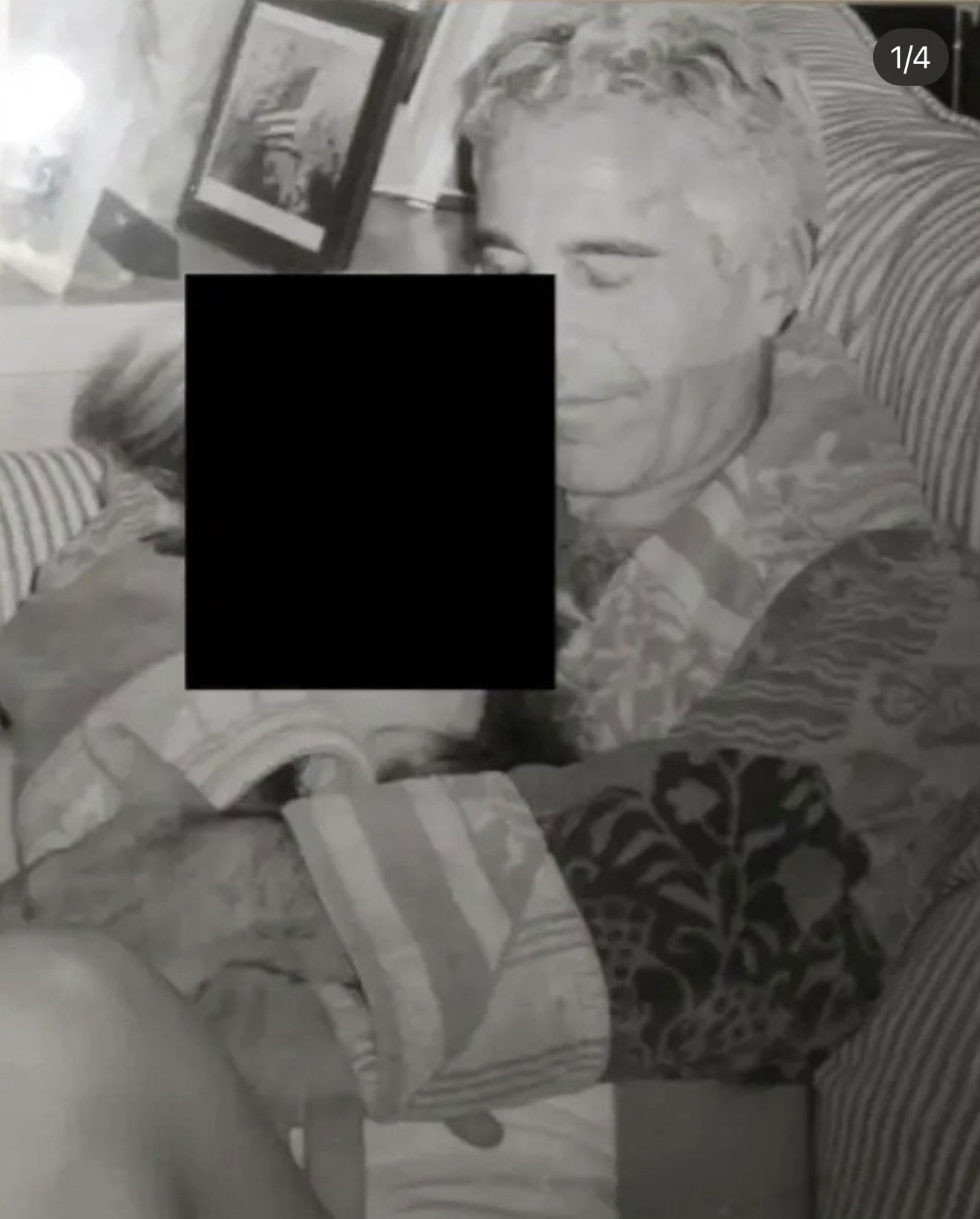
Victim Protection & Legal Caution
The DOJ explained that photos were taken down to protect the privacy and identity of alleged victims and others portrayed in the images. Federal prosecutors said that after publishing the files, concerns were raised by victims or victims’ advocates about potentially identifiable individuals appearing in the visuals, which could violate privacy or legal protections. The agency said it would review and re-redact material before re-posting.
Deputy Attorney General Todd Blanche told reporters that the decision to pull the images — including one notably featuring President Trump — was not politically motivated, but rather a necessary step to comply with legal obligations and protect those previously harmed.
Ongoing Redaction Process
The deletion of files forms part of a broader review and redaction effort to comply with the Epstein Files Transparency Act, which mandates the release of investigatory documents but also requires the DOJ to safeguard sensitive data before public disclosure. This process has proved slow and complicated, as officials juggle transparency requirements with privacy laws, national security concerns, and legal privileges.
Analysts note that hundreds of thousands of documents remain unpublished or under review, and many of those already released have been heavily redacted, including entire pages or sections.
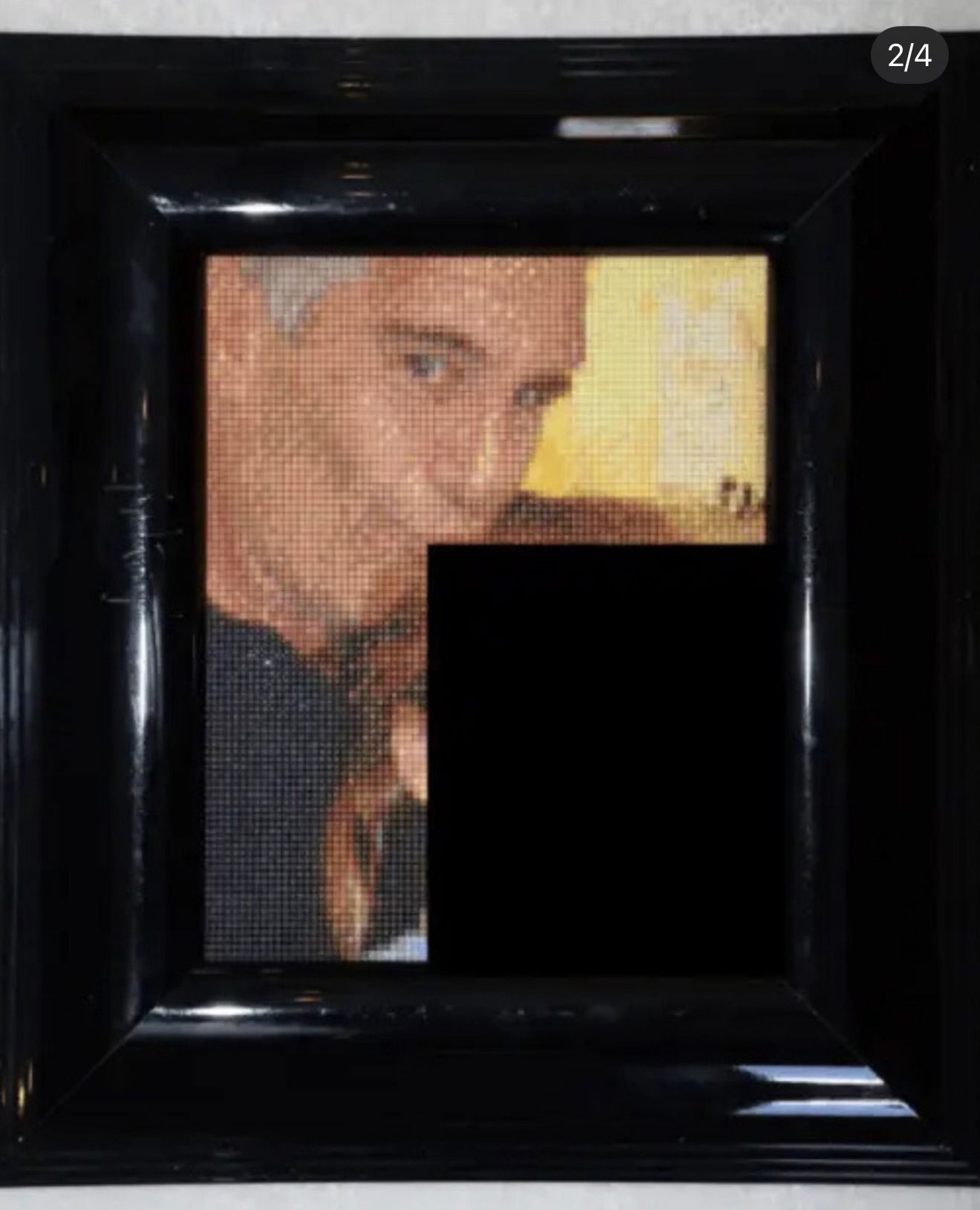
Controversy and Political Backlash
The removals and heavy redactions have sparked intense scrutiny from lawmakers and the public. Critics from both political parties have voiced concerns.
Democrats accuse the DOJ of obscuring information and failing to meet transparency standards mandated by law. Some argue that removing certain photos undermines the purpose of the release. Republicans, meanwhile, have countered claims of concealment and questioned whether earlier selective releases were designed to influence public perception.
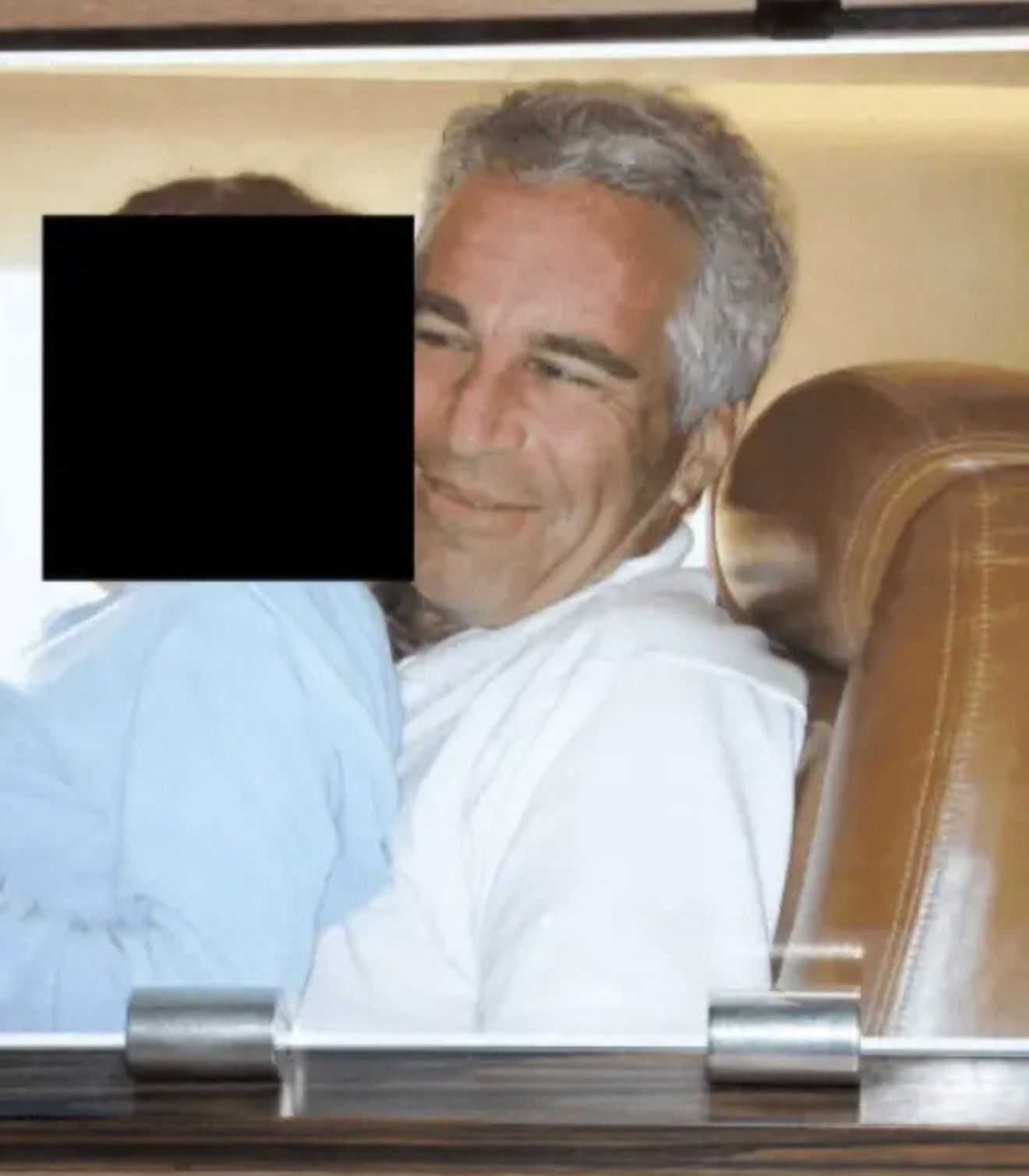
The episode highlights growing frustration over a process intended to shed light on Epstein’s network — and whether it can deliver full transparency without compromising legal protections.


