
Bananas Uncovered: The Real Health Benefits (And the Myths You Need to Stop Believing)


There’s no doubt that bananas rank right up there with some of the most loved fruits on earth. You might go for a half and later end up eating a whole…
Despite their popularity, bananas have long been debated in the nutrition world. Some people treat them as the perfect fuel for athletes, while others unfairly label them as something to avoid altogether. So where does the truth actually lie?
To understand bananas properly, it helps to look at what they really do in the body, blood sugar and weight management.
These are the myths that continue to spread online. Let’s break down the science behind bananas and separate fact from fiction.
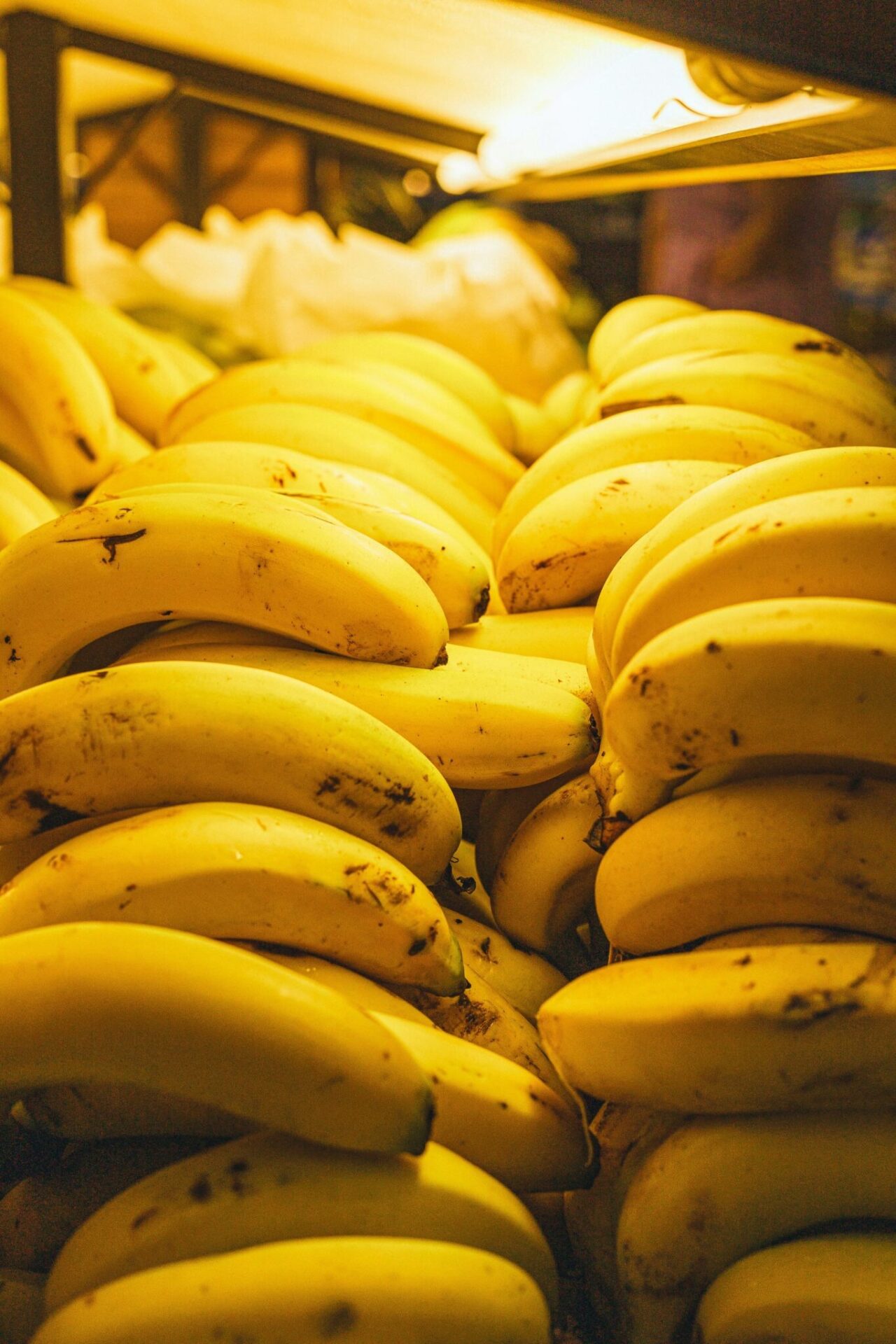
The Nutrient Profile: What’s Actually Inside?
Peeling a banana reveals more than just a quick snack—it reveals a mix of essential nutrients your body relies on daily. A medium banana delivers a balanced combination of vitamins, minerals, and fiber that support basic bodily functions.
Key nutrients include:
Potassium: An essential electrolyte that helps regulate fluid balance and muscle function.
Vitamin B6 (pyridoxine): Supports brain development and helps maintain the nervous and immune systems.
Vitamin C: Acts as an antioxidant that supports skin health and immunity.
Magnesium: Involved in hundreds of biochemical processes in the body.
Fiber: Aids digestion and helps promote a feeling of fullness.
According to nutritional data often referenced by sources like Healthline, a medium banana typically contains around 100–110 calories, very little fat, and only trace amounts of protein. This makes it a naturally efficient carbohydrate source for energy.
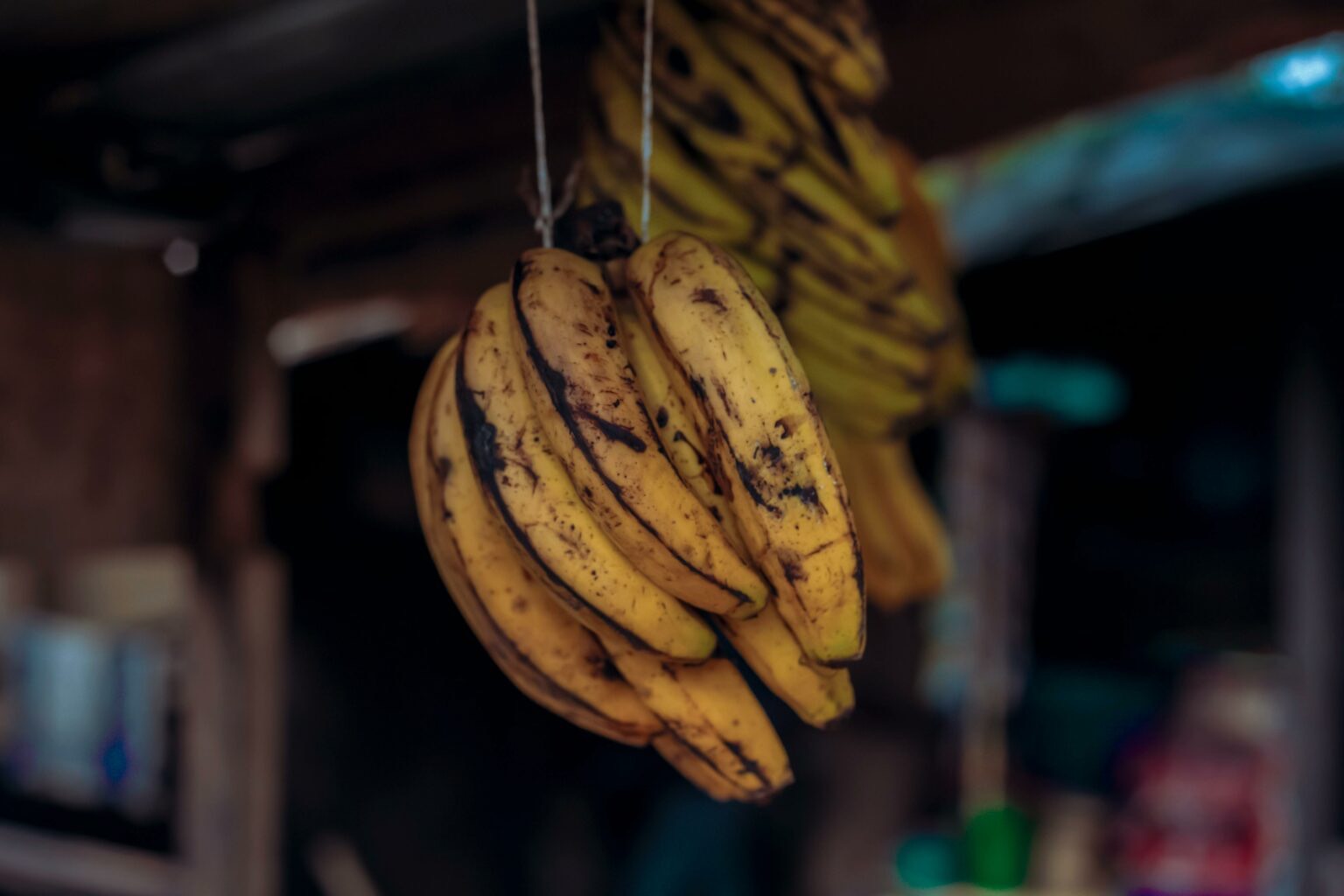
The Cardiovascular Connection: Supporting Heart Health
One of the most well-documented benefits of bananas is their role in supporting heart health, largely thanks to their potassium content.
Potassium plays several key roles:
Blood pressure regulation: It helps balance sodium levels and supports healthier blood vessel function.
Fluid balance: Works with sodium to regulate hydration within cells.
Muscle function: Essential for normal muscle contractions, including the heart.
Health experts, including those at the Cleveland Clinic, have long associated potassium-rich diets with lower blood pressure and reduced stroke risk. In modern diets that are often high in salt and low in potassium, bananas offer a simple way to help restore balance.

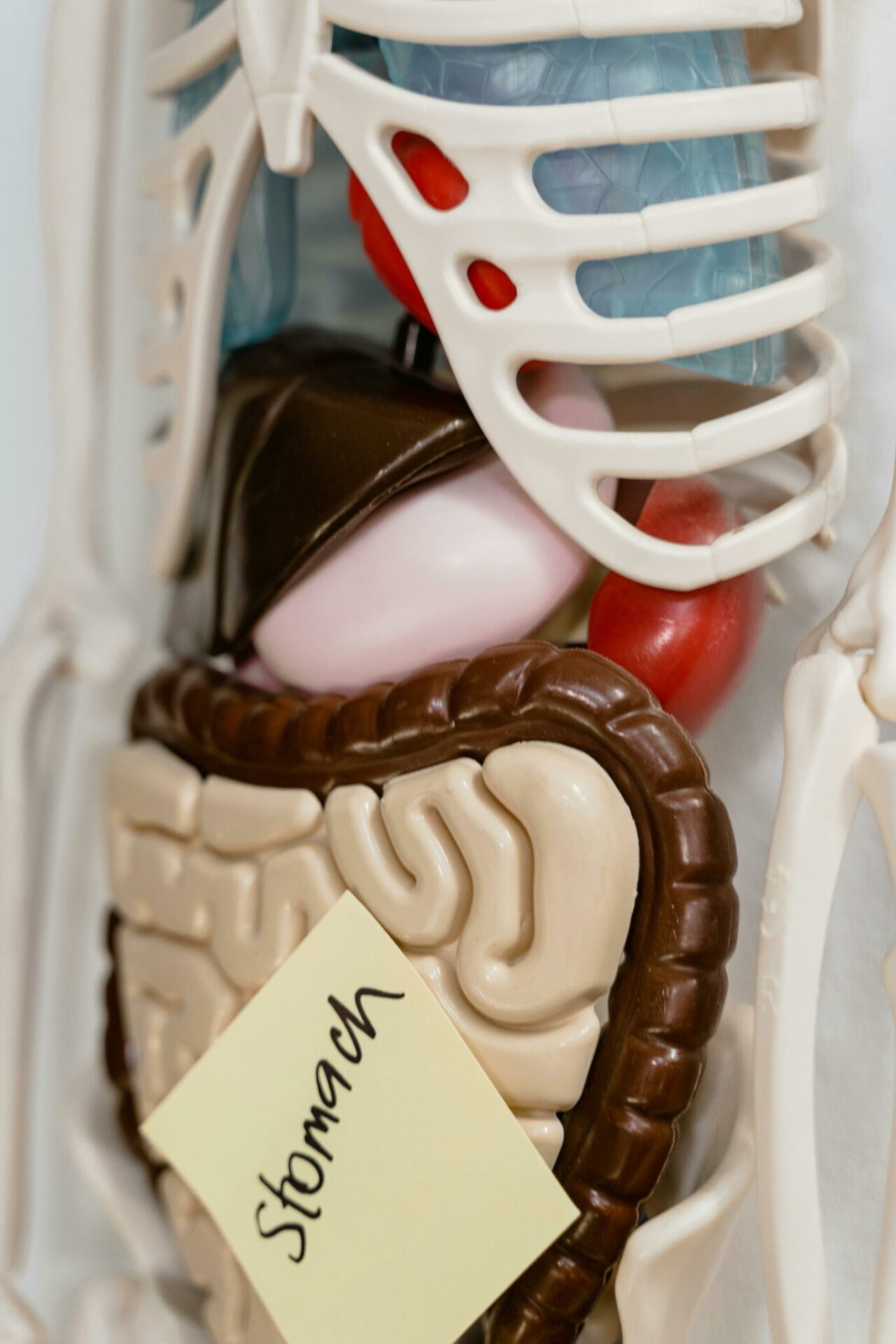
The Gut Microbiome and Digestive Health
Bananas are often recommended during stomach upsets, but their benefits for digestion go beyond short-term comfort.
They contain two key types of fiber:
Soluble fiber: Forms a gel-like substance in the gut that slows digestion and supports nutrient absorption.
Resistant starch: Found more in slightly green bananas, this type of starch reaches the large intestine and acts as food for beneficial gut bacteria.
As this starch is broken down, it produces short-chain fatty acids like butyrate, which are important for colon health. These compounds may help:
- Support the gut lining
- Reduce inflammation
- Improve nutrient absorption
- Ease bloating and constipation

Nature’s Original Energy Bar
Bananas are a common sight in sports for a reason. From tennis courts to marathon routes, athletes rely on them for quick, steady energy.
They’re often called “nature’s energy bar” because they contain a mix of natural sugars—glucose, fructose, and sucrose—combined with fiber.
Unlike processed sweets that cause rapid spikes and crashes in blood sugar, bananas provide a more gradual release of energy, making them a practical option during physical activity.
The Blood Sugar Debate: Are Bananas Safe?
This is one of the most misunderstood aspects of bananas.
Because they taste sweet, many people assume they cause sharp blood sugar spikes. But the reality is not this loud myth that has been spreading around.
Their glycemic index (GI) falls in the low-to-moderate range—roughly between 42 and 62 depending on ripeness.
Fiber and resistant starch slow down how quickly sugar enters the bloodstream, which helps prevent sudden spikes compared to refined carbohydrates like white bread.
Unripe bananas tend to have a lower GI than fully ripe ones. While people with diabetes should still monitor portions, bananas can still fit into a balanced diet when combined with protein or healthy fats.
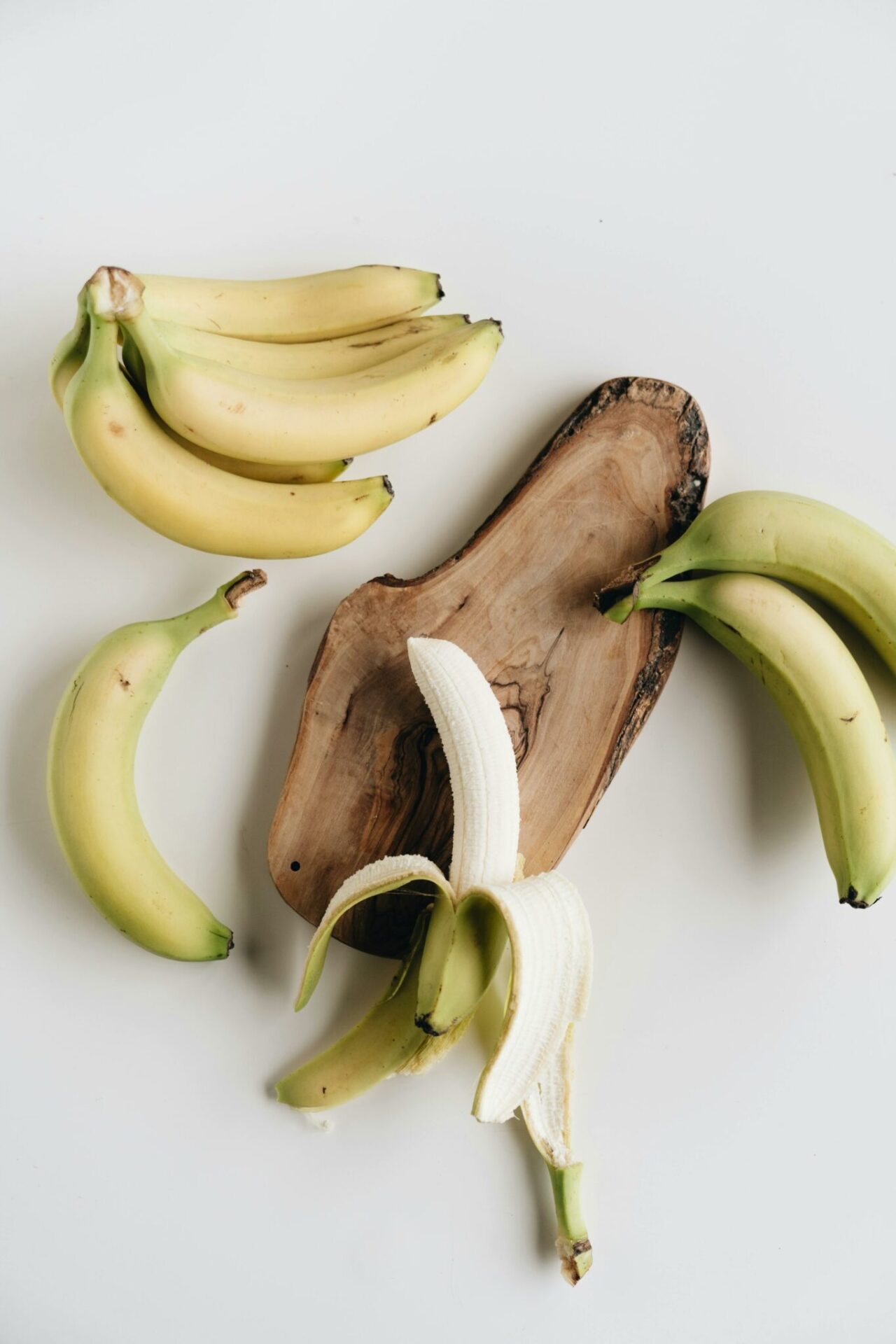
Weight Management: The Satiety Factor
Despite common belief, bananas are not inherently fattening.
Their fiber content plays a major role in weight control by:
- Increasing stomach volume
- Slowing digestion
- Enhancing feelings of fullness
This satiety effect can naturally reduce the urge to snack on higher-calorie processed foods. Swapping a calorie-dense snack bar for a banana can reduce overall calorie intake while still providing useful nutrients.
A Shield of Antioxidants
Although they’re not often highlighted for it, bananas do contain antioxidants such as dopamine, flavonoids, and catechins.
These compounds help neutralize free radicals, which are linked to aging and chronic diseases over time. Bananas also provide vitamin C, adding another layer of immune support.
Kidney Health and Longevity
Potassium doesn’t just benefit the heart—it also plays a role in kidney function.
Some long-term studies suggest that moderate banana consumption may be linked to better kidney health in certain populations, likely due to improved blood pressure regulation.
However, individuals with existing kidney disease are often advised to limit potassium intake, so dietary choices should always be personalized in those cases.

Debunking Banana Myths
Nutrition myths spread quickly online, and bananas are no exception.
Myth 1: Bananas have too much sugar.
The sugar in bananas comes packaged with fiber and nutrients, which changes how the body processes it compared to added sugars in soft drinks.
Myth 2: Bananas are the best potassium source.
They’re a good source, but not the highest—foods like spinach, avocados, and sweet potatoes contain even more potassium.
Myth 3: Bananas are radioactive.
They contain a tiny amount of potassium-40, a naturally occurring isotope. The level is harmless and poses no health risk in normal consumption.
Myth 4: Smoothies destroy banana nutrients.
While some chemical interactions may occur in controlled lab settings, in real-world eating habits, smoothies still retain most of their fiber and nutritional value.
Are There Any Drawbacks?
Bananas are generally safe and healthy, but overconsumption can cause issues in some cases:
- Digestive discomfort from too much fiber
- Very rare potassium overload in sensitive individuals
- Increased risk of tooth decay if oral hygiene is poor
For most people, 1–2 bananas per day is considered a reasonable intake.
Conclusion
Bananas remain one of the most practical and affordable fruits available. They provide steady energy, useful micronutrients, and digestive support—all in a simple, portable form.
They receive a lot of undeserved criticism!
Used wisely, bananas can easily fit into a healthy daily diet without complication or confusion.