
The Truth Behind Dirty Nails: Neglect or Honest Labor?


The image of a hand with darkened fingernails, edges filled with grime, is one of those details that immediately pulls attention. It invites a quick reaction. And almost instantly, a question forms in people’s minds:
“What do you call someone like that?”
On the surface, it feels like a simple question. But the answer is rarely as straightforward as it seems. Often, it reveals more about how we judge than about the person being observed.
First Reaction: Hygiene
For many, the first association is cleanliness—or the lack of it. From a young age, we are taught that clean hands matter. Soap, water, trimmed nails—these are basic habits linked to health and safety.
It’s true that dirt under nails can carry bacteria. It can transfer easily through touch, especially when preparing food or interacting with others. That’s why personal hygiene is emphasized so strongly in daily life.
In environments where clean water and time are available, consistently unclean nails may be interpreted as neglect. Not necessarily as a moral failing, but as a sign that basic self-care is being overlooked.
Clean hands also carry a social meaning. They are associated with order, confidence, and respect in many professional and public settings.
But that is only one possible interpretation.
The Other Side: Honest Labor
There is another explanation that is often overlooked.
Those same darkened nails might belong to someone who has spent the day working with their hands—repairing, building, planting, or fixing. A mechanic working deep inside an engine. A gardener kneeling in soil for hours. A construction worker handling cement and steel. A farmer harvesting crops under the sun.
In these kinds of work, dirt is not accidental. It is part of the job.
Even with washing, certain materials cling to the skin. Grease, dust, paint, and soil often stay behind despite effort to clean them away quickly during or after long shifts.
So in this context, dirty nails do not point to neglect. They point to activity. To physical effort. To a day spent doing something tangible and often demanding.
What looks unclean may simply be the trace of productivity.
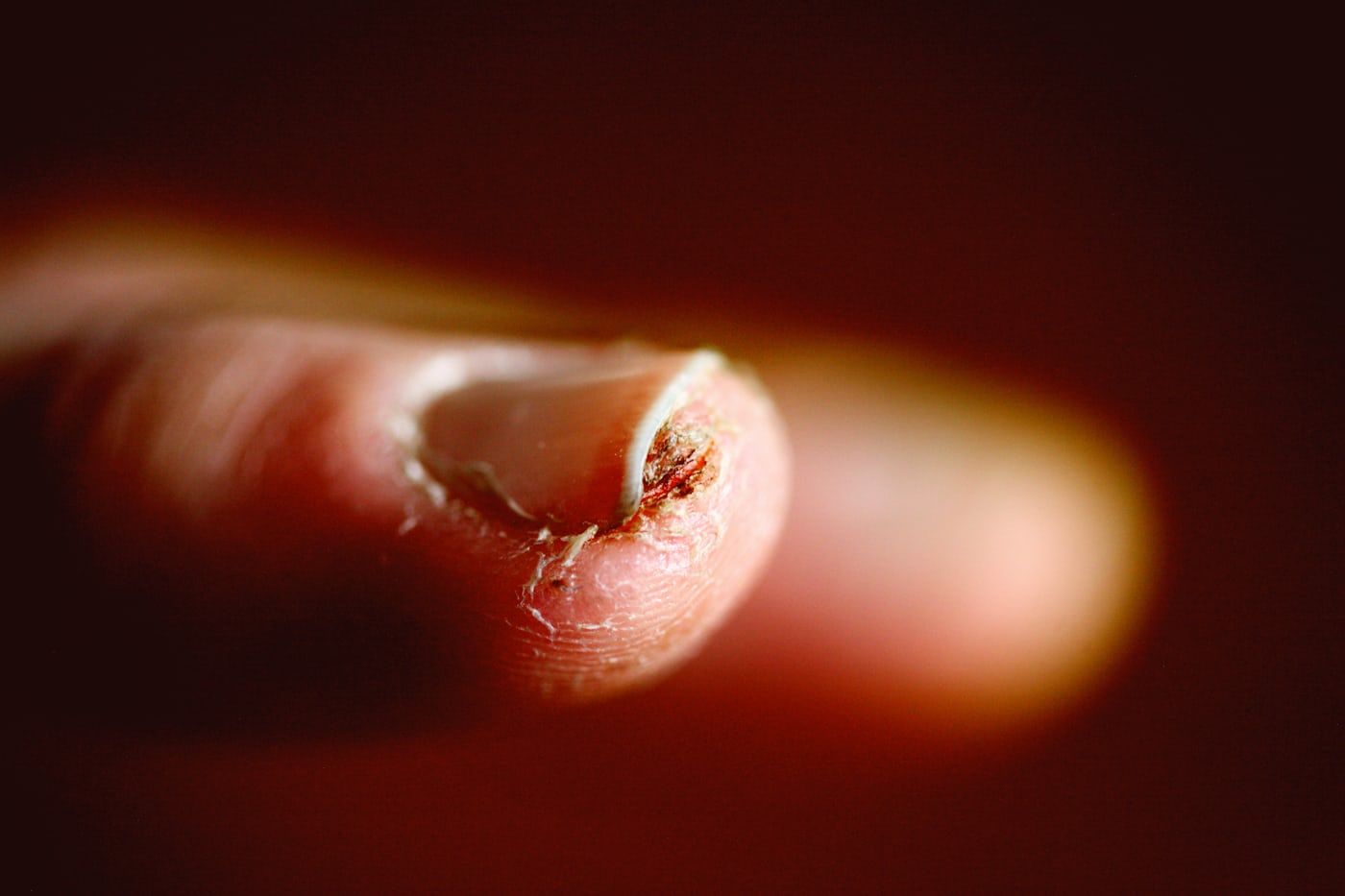
Context Changes Everything
The meaning of something as small as fingernails shifts completely depending on the situation.
In a formal setting, with no visible sign of manual activity, dirty nails might suggest poor hygiene habits.
After a full day on a building site, they likely reflect hard work.
After helping clean up after a storm or disaster, they may represent service and responsibility.
Even in a home setting, a parent fixing something broken in the yard may end the day with the same appearance—without it meaning anything negative.
Without context, assumptions become easy. With context, judgment becomes more complicated—and more fair.
The Deeper Question
So how do you define someone with nails like that?
There is no single label that fits.
They might be a worker.
They might be a builder.
They might be someone who spends their day solving problems with their hands.
Or they might be someone who simply hasn’t had the chance to clean up yet.
Each possibility is valid. The truth depends entirely on the story behind the moment.
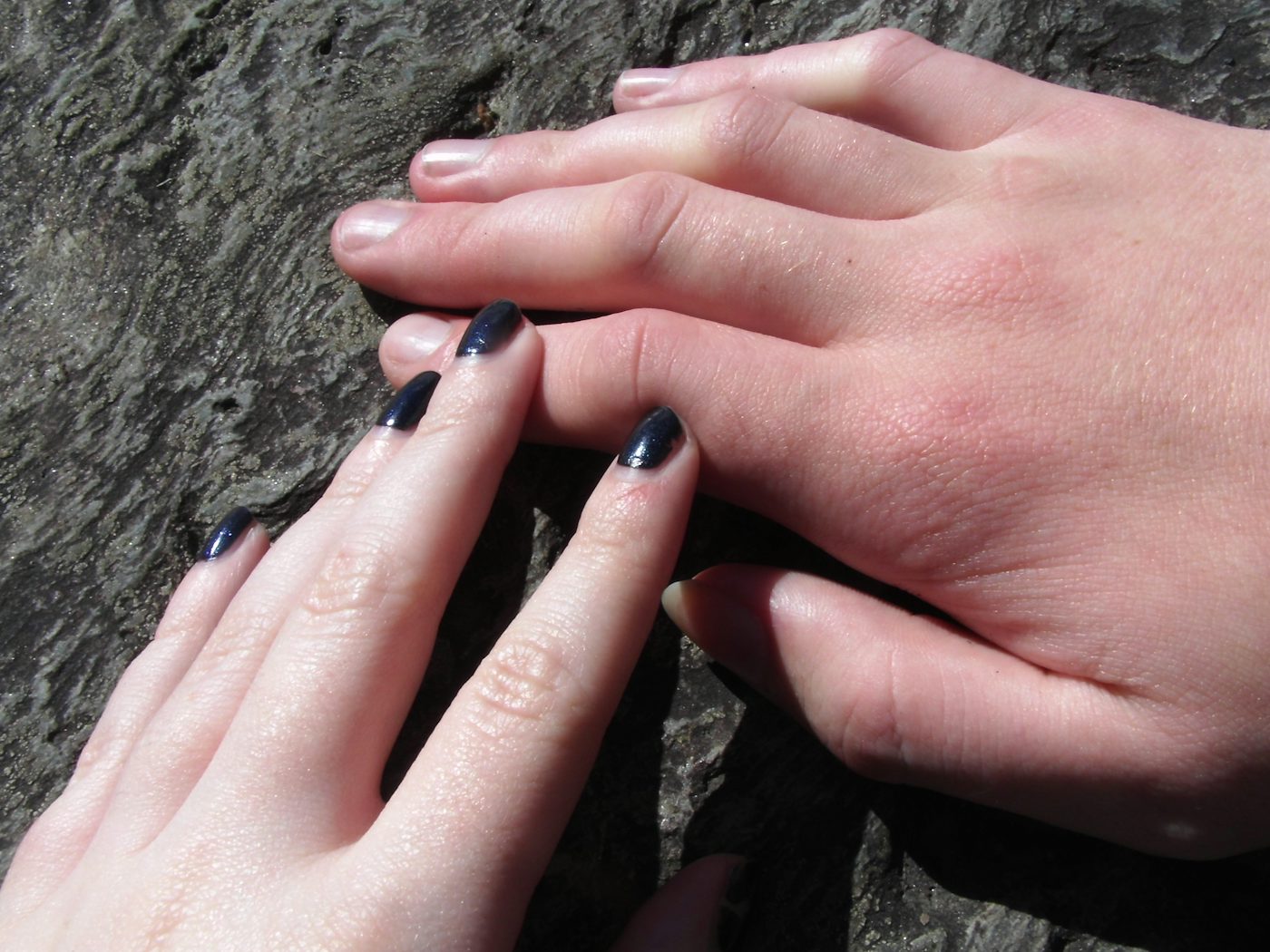
What We Choose to See
People often respond quickly to what they see on the surface. Appearance can shape first impressions, especially in social or professional environments.
Clean hands are often linked to discipline and structure. But they don’t always tell the full story of effort or contribution.
At the same time, hands marked by dirt often belong to people doing work that keeps things running—physically demanding tasks that support homes, infrastructure, and daily life.
Dirt can always be washed away. What it represents cannot always be judged so easily.
Conclusion
Cleanliness is important, both for health and for everyday interaction. It reflects care and responsibility toward oneself and others.
But so is understanding.
Before assigning meaning to something as small as dirty nails, it is worth considering the context behind them. What appears untidy might actually be the result of effort, labor, or long hours of meaningful work.
Sometimes, the real question is not what you see—but how quickly you choose to define it.