Two Months After Our Divorce, I Found My Ex-Wife in a Hospital—What She Told Me Rewrote Everything I Thought I Knew

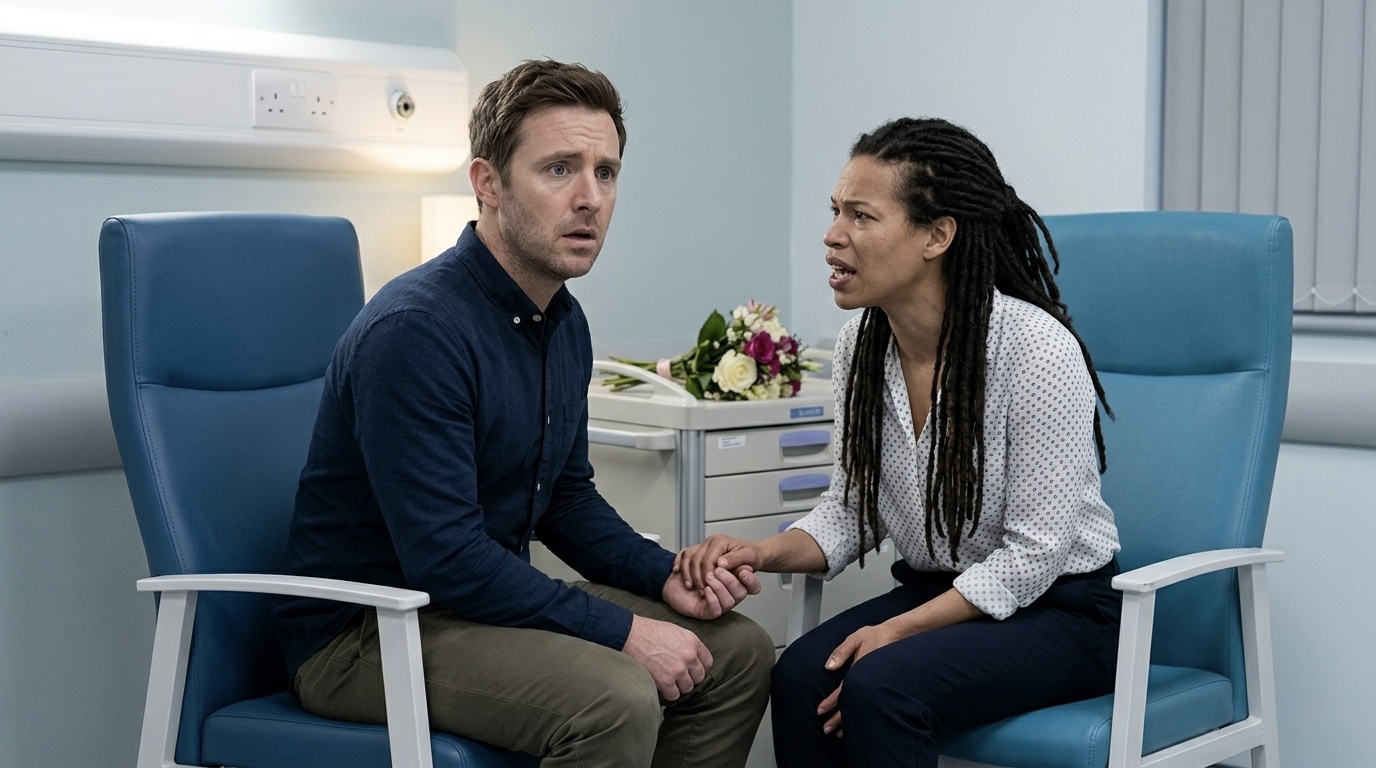
I got the envelope on a Thursday, and at first glance it looked routine—nothing alarming, nothing unusual.
But the moment I saw the return address—Riverside Memorial Hospital—something in me tightened.
Inside was a single note:
“Mr. Davidson, your ex-wife Maya has listed you as her emergency contact. She has been hospitalized and requires your presence.”
It had been three months since our divorce was finalized. Three months since I walked out of a courtroom believing the hardest part of my life was finally over.
I was wrong.
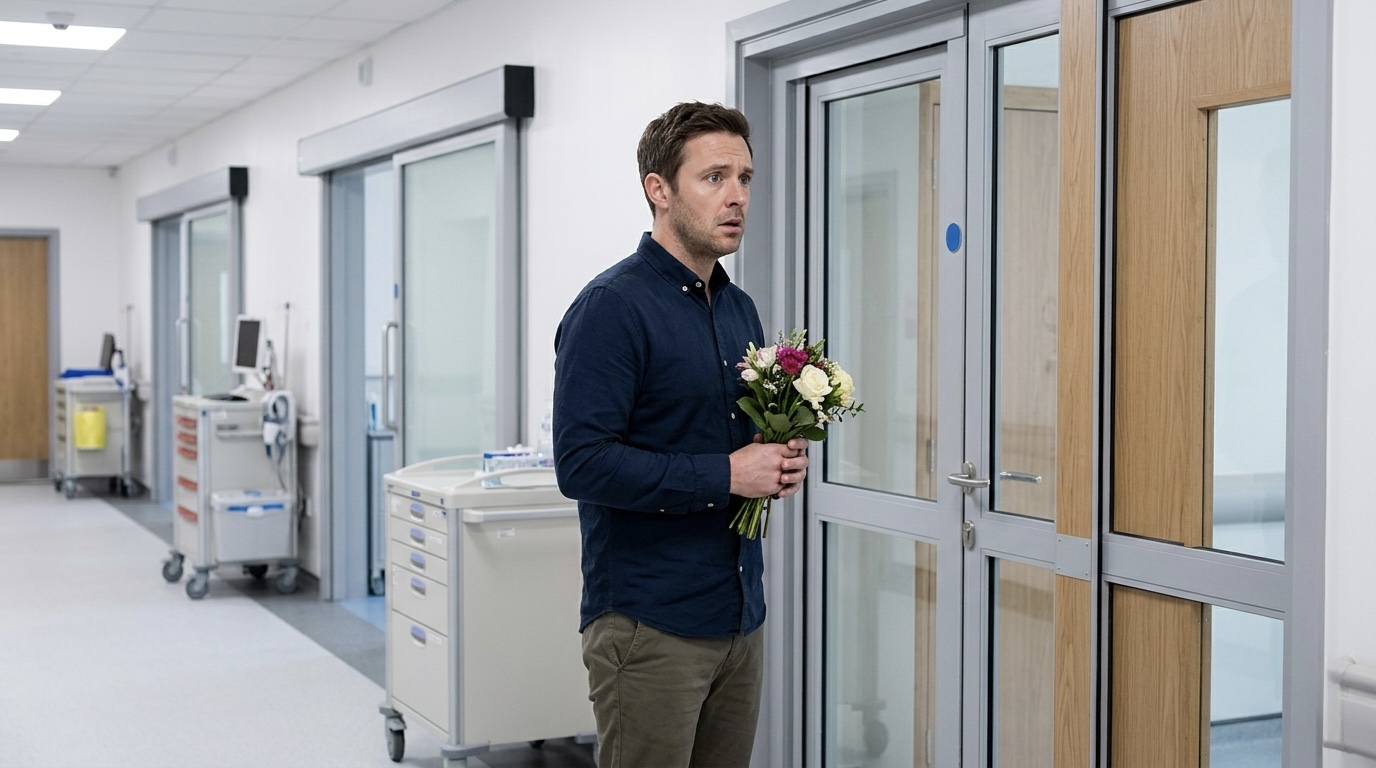
The drive to the hospital felt like being pulled backward through my own memory. Every red light seemed to replay fragments of the life we once shared—our first date, her nervous laughter, the way she tried to make coffee barefoot in the kitchen like it was nothing special. And then, the slow unraveling I never fully understood at the time.
By the time I arrived, my hands were locked around the steering wheel so tightly they hurt.
I found Maya in the cardiac unit, sitting near a window.
For a moment, I didn’t recognize her.
The woman I remembered carried herself with confidence, even when things were falling apart. The woman in front of me looked diminished—exhausted in a way that went far deeper than physical illness.
“You came,” she said, not with surprise, but relief.
“The hospital called me,” I replied, almost mechanically.
I stayed by the doorway at first. Then I asked the question I wasn’t ready for.
“What happened?”
After a long pause, she answered quietly:
“My heart stopped.”
She had suffered a serious medical episode at work, one doctors linked to prolonged misuse of prescription medication.
“What prescriptions?” I asked.
She didn’t answer immediately.
What followed wasn’t a single explanation—it was a slow unravelling of something she had carried alone for years.
Anxiety. Panic attacks. Sleepless nights. A constant internal pressure she had learned to hide rather than express.
It had been there during college. It had followed her into adulthood. And it had been present throughout our marriage, even when I didn’t see it for what it was.
“At first, the medication helped,” she said. “But then I just kept trying to manage it. I thought I was in control.”
She paused.
“I wasn’t. I was hiding it.”
That sentence changed everything.
Suddenly, moments from our past reappeared in a different shape—her exhaustion, the cancelled plans, the silence at dinner, the days she withdrew without explanation.
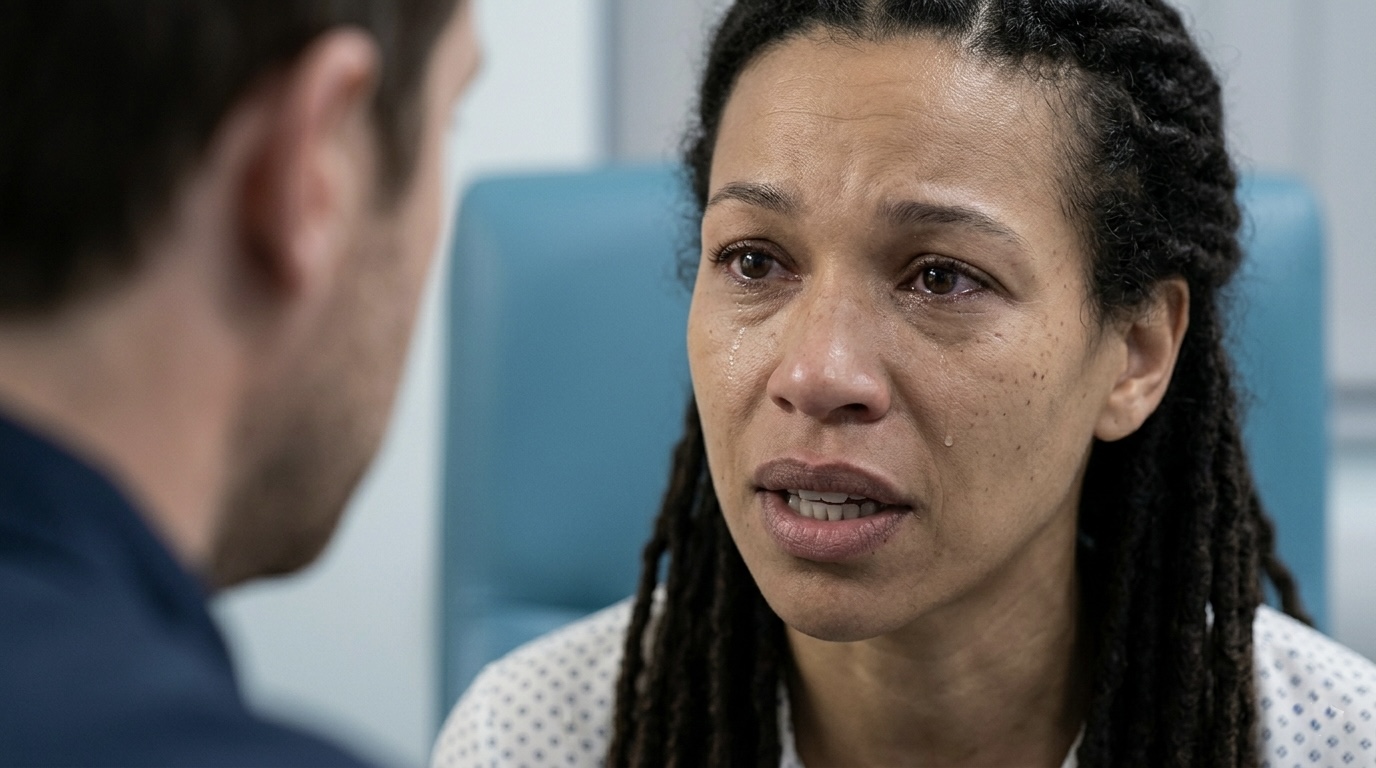
Back then, I interpreted it as distance. Indifference. Maybe even lack of care.
Now it looked different.
“There were signs,” I said quietly.
“There were,” she admitted.
“Why didn’t you tell me?” I asked.
Her voice dropped.
“Because I was scared you’d leave.”
Then, after a breath:
“And I was scared you’d stay out of pity.”
The silence that followed felt heavier than anything we had ever said to each other.
For the first time, I understood the marriage differently—not as something that failed suddenly, but something that had been silently strained for years on both sides, without either of us having the language to fix it.
Later, a doctor pulled me aside. He explained that her condition could have become fatal and that recovery would require structured treatment, lifestyle changes, and consistent emotional support.
“Does she have family nearby?” he asked.
I didn’t know.
That realization unsettled me more than anything else.
We had been married for seven years, and yet I could no longer confidently answer simple questions about her life.
That evening, I stayed.
Not because I had to—but because leaving felt impossible.
Over the next days, something shifted between us. Not reconciliation. Not forgiveness.
Truth.
Maya spoke about panic attacks she had hidden in plain sight—moments in cars, social events she barely survived, mornings she couldn’t face but still pretended she could function.
“I kept waiting for normal to come back,” she said once. “But it never did.”
That sentence stayed with me.
Because it described something I had never understood before: how easily people can live beside suffering they never name.
Recovery was not immediate. There were setbacks, difficult conversations, and days where progress felt nonexistent.
But there were also small changes—sleep returning, anxiety easing slightly, moments of calm that once felt impossible.
I began attending sessions with her therapists—not as a partner trying to repair a marriage, but as someone trying to understand what had been invisible for years.
And in doing so, I also had to face my own role in it: impatience, misinterpretation, emotional distance I had mistaken for clarity.
We had both been trapped in a cycle neither of us fully recognized.
Over time, the tension softened—not because everything was fixed, but because pretending stopped.
Maya stopped performing “okay.”
And I stopped demanding explanations that no longer helped.
Six months later, our marriage was still over.
But something else existed in its place—something quieter, more stable: mutual respect.
Maya entered consistent treatment, joined support groups, and slowly rebuilt her life in ways that didn’t rely on hiding.
“I spent years acting like everything was fine,” she told me one afternoon. “That might have been the most damaging part.”
Eventually, I came to understand something simple but uncomfortable:
It wasn’t a lack of love that ended us.
It was silence. Fear. And everything we never said out loud.
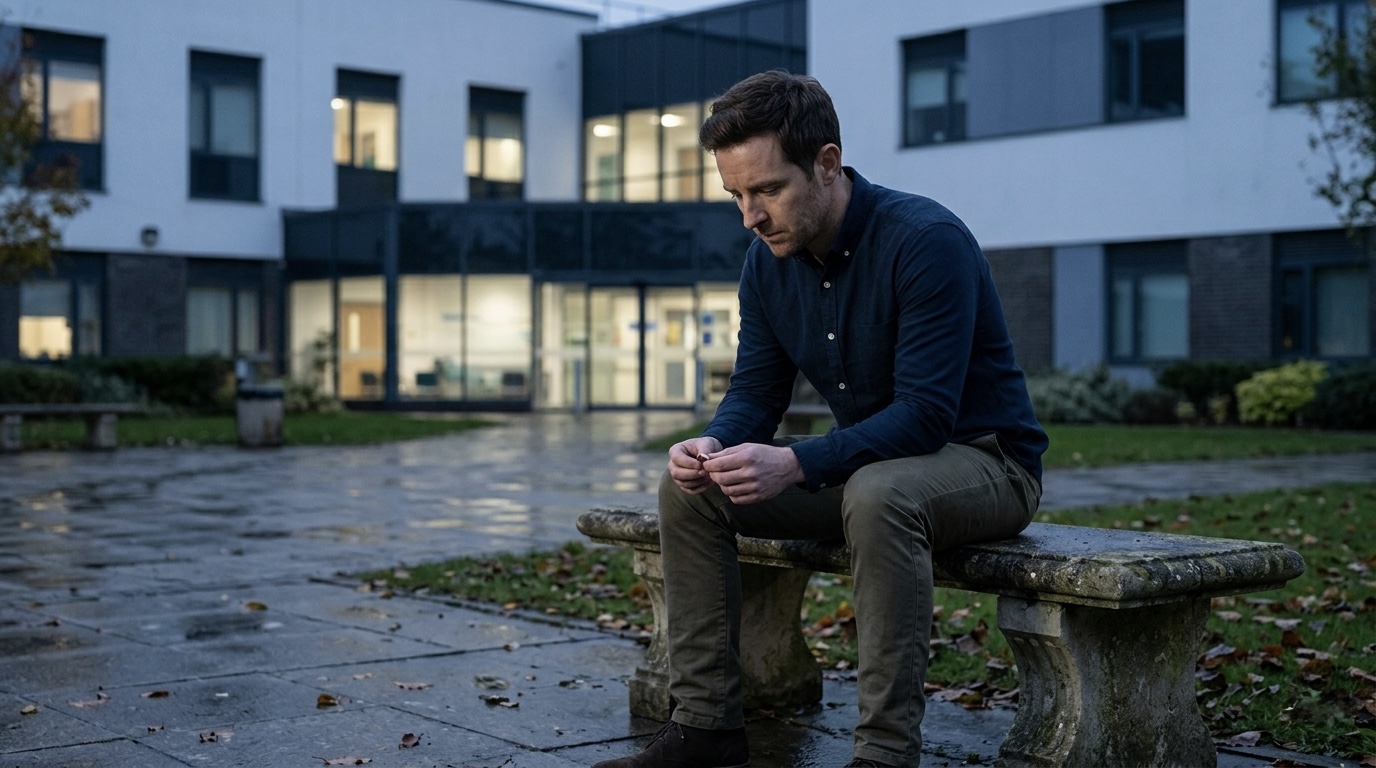
Now, Maya continues her recovery. And I continue learning how to listen better—to people, and to what isn’t being said.
The hospital didn’t mark the end of our story.
It marked the first moment we finally saw it clearly.
And sometimes, that’s where change actually begins.