
Police Detectives Reveal the Cases They Wish They’d Never Encountered

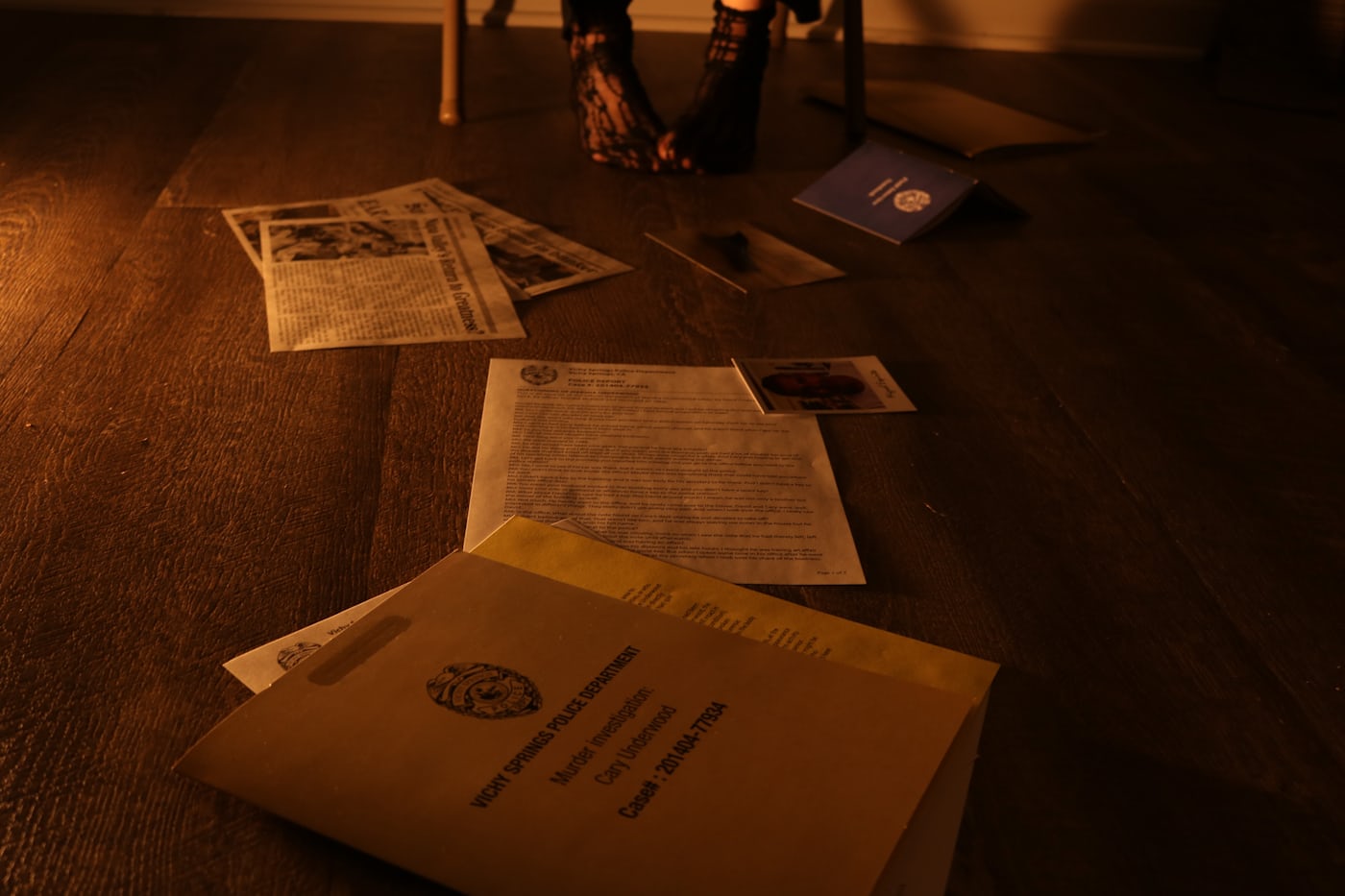
Police officers, detectives, investigators, and emergency responders often witness situations most people never see. While many cases eventually fade into memory, some leave lasting scars that stay with them for years.
In a discussion online, current and former law enforcement professionals shared some of the most disturbing, heartbreaking, and unforgettable cases they have ever faced.
A Philanthropist’s Final Wish
One investigator recalled being assigned to the death of a beloved local philanthropist who was widely respected throughout the community.
The man was terminally ill and facing a devastating disease that doctors knew would likely claim his life before he turned 40. Despite his own suffering, he remained known for his generosity, once giving a struggling single mother $25,000 so she could pay off debts, repair her vehicle, and provide for her children during the holidays.
An autopsy later revealed that he had died from a deliberate morphine overdose.
Authorities wanted answers and expected investigators to determine who had administered the fatal dose.
At the time, detectives believed there was no realistic way to prove who was responsible.
Years later, however, the man’s wife contacted the department and admitted that she had given him the medication herself in an effort to end his suffering.
The detective said learning the truth was something he almost wished had never happened.
Although she provided a statement, prosecutors ultimately declined to pursue charges because there was insufficient evidence to support a conviction beyond her confession.
The Four-Year-Old Who Never Had a Chance
One emergency responder described a call involving a four-year-old child who had become unresponsive after reportedly vomiting.
Almost immediately after arriving, experienced personnel sensed something was terribly wrong.
The parents insisted the child had simply eaten junk food before going to sleep and becoming ill. Investigators later discovered a far darker reality.
According to the investigation, the father became enraged after the child ate food he wasn’t supposed to have. In a violent outburst, he allegedly grabbed the boy by the ankles and swung him into furniture throughout the home, causing catastrophic injuries.
The responder said it was one of those cases where everyone involved already feared the outcome before the investigation was complete.

A Tragic Discovery Involving an 18-Month-Old
Another investigator recalled a case involving an 18-month-old child who died while left in the care of his mother’s boyfriend.
When the child’s mother returned home from work, she found her son tucked into bed but no longer breathing.
Nearby, investigators discovered a handwritten apology on a bathroom wall and evidence suggesting the boyfriend had attempted to take his own life before leaving the home.
A search quickly located the suspect’s vehicle in a neighboring county.
Authorities found that he had crashed at extremely high speed into a concrete barrier. Investigators later determined he had died at the scene.
Years later, the detective still remembers the names of everyone involved.
Despite receiving commendations for their work, he said the award serves as a reminder of how devastating some cases can be rather than a source of pride.

Cases Some Officers Didn’t Want Solved
One former officer admitted there were two separate homicide investigations involving individuals who were widely known for harming others.
One victim had a history involving crimes against children, while the other was accused of drugging women.
Although solving crimes is a police officer’s responsibility, the officer acknowledged struggling emotionally with these investigations because of the victims’ reputations.
He stressed that justice must remain impartial, but admitted that as a human being, he found it difficult to feel sympathy.
The Woman Who Reported a Very Unusual Break-In
Not every memorable call involves violence.
One officer recalled a woman who demanded an investigation because she believed two intruders had entered her home while she was away.
Her evidence?
She claimed one of them had used her toilet while the other allegedly stood guard.
The officer admitted he chose not to spend much time exploring the theory.
The Amish Sawmill Investigation
An environmental enforcement officer shared a case that still bothered him years later.
A pair of Amish businessmen had opened a small sawmill and were disposing of leftover wood scraps by burning them inside a homemade furnace.
Unfortunately, a nearby resident filed a complaint, forcing authorities to investigate.
The officer knew that once he confirmed a violation, he would be required to act.
Although the men were cooperative and respectful, regulations required intervention. Fortunately, legal officials agreed to waive penalties as long as the practice stopped.
Even so, the investigator still worries that the incident may have harmed their livelihood.

Defending a Child
One contributor shared a story from the opposite side of the law.
In 1983, he witnessed a man physically attacking a six-year-old child.
He intervened and severely beat the attacker before police arrived.
After speaking with witnesses, officers discovered the man already had a criminal history involving offenses against children, along with a court order prohibiting contact with minors.
According to the storyteller, a police sergeant offered him an unusual deal: leave the scene and forget he had briefly been detained.
He accepted.
The Unsolved Interstate Mystery
A retired Florida officer spent years investigating a series of horrifying cases involving deceased children discovered near highways.
The incidents stretched across several years and occurred within roughly a 100-mile radius.
Despite extensive investigations, no suspect was ever identified.
Even after retirement, the former officer continued receiving calls from detectives seeking information about the cases.
Eventually, he stopped responding.
According to his nephew, he simply wanted to spend the rest of his life without revisiting those tragic scenes.
Welfare Checks and a Familiar Smell
For many officers, welfare checks can be among the most dreaded assignments.
One officer summed it up in a single sentence.
The moment you recognize the smell of decomposition before reaching the front door, you already know what you’re likely about to find.
The Crowd That Watched
One law enforcement officer described a case that left him deeply disturbed.
A man intervened when he saw a woman being harassed on a train.
The harasser left, but several companions later confronted the good Samaritan at a station and attacked him.
When officers arrived minutes later, they found multiple people assaulting the victim while dozens of bystanders simply watched.
The officer was stunned not only by the violence but by the complete lack of intervention from the surrounding crowd.
Betrayal in Uniform
A military police officer recalled transporting a soldier who had allegedly shot both a team leader and another servicemember during deployment.
The drive lasted only about ten minutes.
The officer chose not to speak.
He feared that saying anything might reveal emotions he was struggling to control.
The Woman Who Destroyed Her Ex’s Car
One patrol officer responded to a vandalism complaint involving a heavily damaged Chrysler 300.
The owner immediately blamed his former girlfriend.
The vehicle’s windows had been shattered, tires flattened, paint scratched, and severe damage inflicted across the exterior.
When officers spoke with the accused woman, they learned she had recently discovered she was being evicted after her ex-partner stopped paying bills without warning.
As the investigation continued, officers became increasingly frustrated with the vehicle owner, who appeared indifferent to the hardships facing the children involved.
While everyone suspected who damaged the vehicle, proving it was another matter entirely.
The officer later admitted he wasn’t especially motivated to pursue the case aggressively.
The Problem With a Bounced Check
One officer remembered being confronted by a furious sex worker whose client had paid her with a check that later bounced.
Unfortunately, she couldn’t identify the customer or provide information that would allow investigators to locate him.
The officer’s practical advice was simple: next time, insist on cash.
Refusing to Lie
A former military police officer described the case that ultimately cost him his career.
According to his account, a colleague made a minor mistake.
Superiors allegedly demanded that he exaggerate the facts to justify harsher disciplinary action.
He refused.
Soon afterward, others provided statements contradicting his version of events.
Unable to prove otherwise, both he and his colleague were publicly dismissed.
Despite losing his career, he said he has never regretted refusing to provide false testimony.
Calls Involving Naked People
One officer kept his answer brief.
Any call involving a naked individual was almost guaranteed to be unpleasant.
Whether drugs, mental illness, or other factors were involved, those incidents rarely ended peacefully.
Revenge for Years of Loud Parties
One officer responded to a damage complaint from a resident who frequently generated noise complaints due to late-night parties and powerful outdoor speakers.
Upon arrival, officers found the man’s speaker system had been completely destroyed.
The wires had been cut, the speaker cabinets punctured repeatedly, and gasoline poured over the equipment.
When the owner asked police to investigate his neighbors, the officers struggled to hide their amusement.
The detective suspected the culprit was someone who had finally grown tired of losing sleep.
A Prisoner With a Tragic Past
A former corrections officer recalled an inmate serving time for killing his parents.
As the story emerged, staff learned the man had allegedly endured severe abuse throughout his childhood.
The officer admitted that, after hearing the details, he found it difficult to judge the inmate as harshly as others might.
Repeat Offenders and Predictable Outcomes
A small-town reporter described certain individuals as “OBKs”—short for “Ought To Be Killeds.”
The nickname referred to people who repeatedly committed violent acts, threatened others, or terrorized their families for years.
When some of them eventually died during dangerous situations they themselves created, few people were surprised.
The Grand Kidnapping Story
One officer encountered a man who claimed he had been abducted and drugged.
The story was elaborate and filled with dramatic details.
However, when investigators asked for names, locations, or specific information, the man suddenly became reluctant to cooperate.
Eventually, the officer concluded the claims weren’t going anywhere and dropped him off near his destination.
Why Some Cases Receive Little Attention
One officer from a large city explained that reality often differs from television portrayals of police work.
Many property crimes simply lack enough evidence to justify extensive investigations.
Stolen vehicles are often recovered without identifying suspects.
Minor retail thefts rarely receive significant investigative resources.
Vandalism cases frequently stall unless there is surveillance footage, eyewitness testimony, or a confession.
While every report is documented, officers admitted that limited resources often force departments to prioritize the most serious crimes first.
Final Thoughts
These stories offer a glimpse into the difficult realities faced by police officers, detectives, emergency responders, and investigators. While some cases are remembered for their mystery, others linger because of the heartbreak, injustice, or human suffering involved.
For many who work in public safety, the hardest part isn’t solving a case—it’s carrying the memory of it long after the investigation ends.