Who Helps You Live Longer After 70, and Who Quietly Takes Years Away?

Time after 70 isn’t some invisible finish line.
Despite what television ads and anti-aging commercials might suggest, life doesn’t suddenly start going downhill the moment you celebrate that birthday. In many ways, it’s the opposite.
For a lot of people, this is the first stage of life where things finally become quieter. Careers slow down. Children build lives of their own. The pressure to prove yourself starts fading. You stop worrying about impressing everyone and begin paying attention to something much more valuable: your own peace.
But there’s something many people don’t realize until much later.
The people you spend your time with can influence your health almost as much as your diet or daily exercise.
That isn’t just a nice quote people share online. It’s something researchers have been studying for years.
As we grow older, our bodies recover more slowly from stress. Arguments that once rolled off your shoulders can stay with you for days. Constant criticism feels heavier. Sleepless nights become more common. Even your blood pressure may respond differently than it did decades ago.
That’s why the people sitting around your kitchen table matter more than ever.
This isn’t about having dozens of friends or becoming the most social person in town. It’s about asking a much simpler question:
Who leaves you feeling lighter after you’ve spent time together, and who leaves you emotionally exhausted?
The answer says more about your future health than many people realize.
Why Relationships Become More Important After 70
When you’re 25, your body is remarkably forgiving.
You can survive stressful jobs, difficult relationships, sleepless nights, and constant emotional drama without immediately noticing the damage. Your body bounces back.
By your seventies, things work differently.
Stress doesn’t disappear after a good night’s sleep. It lingers.
A tense conversation in the morning can still be sitting in your chest by dinner. Poor sleep becomes several poor nights. Small worries snowball into bigger ones.
Researchers at the National Institute on Aging have repeatedly found that long-term loneliness and social isolation are linked to higher risks of heart disease, depression, dementia, and even earlier death. In fact, some experts say chronic isolation can be as harmful to overall health as smoking.
The opposite is also true.
People who have even a small circle of supportive relationships often recover more quickly from illness, experience lower stress levels, and report greater life satisfaction.
Notice something important, though.
Researchers aren’t saying you need dozens of friends.
Quality almost always beats quantity.
One person who genuinely listens is worth more than twenty people who only call when they need something.
You don’t need a packed social calendar to age well.
In fact, many older adults discover they’re happier with fewer relationships than they had in their younger years. The difference is that the people who remain tend to be the ones who bring comfort instead of chaos.
Quality matters far more than quantity.
The right people can encourage healthier habits, help you stay active, and remind you that you’re still part of something bigger. More importantly, they make everyday life feel lighter.
Here are three kinds of relationships that often make the biggest difference.
1. A partner who makes home feel peaceful
After 70, grand romantic gestures aren’t what keep a relationship strong.
It’s the little things.
It’s having someone who asks how your day went and actually listens to the answer. It’s sharing breakfast without rushing. It’s laughing over something you’ve both heard a hundred times before. It’s knowing disagreements don’t have to become battles.
A peaceful home gives your mind a chance to rest.
When you’re constantly worried about criticism, arguments, or walking on eggshells, your body stays in a state of stress. Over time, that stress can affect everything from your sleep to your immune system.
A supportive partner doesn’t have to solve every problem.
Sometimes simply feeling accepted is enough.
Knowing someone respects your opinions, values your independence, and allows you to be yourself creates a sense of emotional safety that’s difficult to measure but impossible to ignore.
Of course, nobody has a perfect marriage or relationship. Every couple disagrees from time to time.
The difference is whether those disagreements end with understanding or leave lasting emotional scars.
2. Friends who make life feel easy
Friendships tend to change as we get older.
The friends you saw every weekend in your forties may now live in another city, spend more time with grandchildren, or simply have different routines.
That’s perfectly normal.
The friendships that remain often become even more valuable.
These aren’t the people who expect you to attend every gathering or answer every phone call. They’re the ones who check in because they genuinely care.
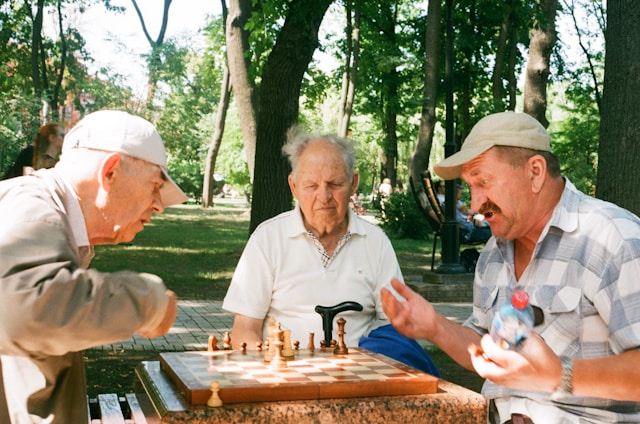
Maybe it’s the neighbor who drops by for coffee every Thursday.
Maybe it’s someone you meet during your morning walk.
Or perhaps it’s an old friend who still calls every Sunday afternoon, just to catch up.
These relationships don’t demand constant attention.
Instead, they offer something far more important: consistency.
Even brief conversations can lift your mood and remind you that you’re not facing life’s challenges alone.
Researchers have found that regular social interaction helps older adults stay mentally engaged and emotionally resilient. Sharing stories, laughing together, and even discussing everyday events keeps the brain active in ways that isolation simply can’t.
The best friendships after 70 aren’t built on excitement.
They’re built on reliability.
3. Feeling like you still belong
Humans were never meant to spend all their time alone.
That doesn’t mean everyone needs a busy social life, but nearly everyone benefits from feeling connected to a community.
It could be a church group.
A gardening club.
A weekly exercise class.
A local library discussion.
Even visiting the same café often enough that the staff greet you by name can create a comforting sense of belonging.
These simple routines provide more than entertainment.
They create purpose.
When people expect to see you somewhere, you’re more likely to stay active, get dressed, leave the house, and keep engaging with the world around you.
According to the World Health Organization, maintaining social connections is one of the most effective ways to support healthy aging and reduce the risk of cognitive decline.
You don’t have to become the loudest person in the room.
Just showing up can make a remarkable difference.
Sometimes the smallest interactions become the most meaningful part of the day.
Not every harmful relationship involves shouting, insults, or constant drama.
In fact, some of the most emotionally exhausting people genuinely believe they’re helping.
That’s what makes them difficult to recognize.

Over time, these relationships chip away at your confidence, independence, and peace of mind without you even realizing it’s happening.
1. When “help” becomes control
As people get older, family members often become more protective.
Sometimes that’s necessary.
But sometimes concern slowly turns into control.
You may notice people answering questions on your behalf, making decisions without asking you, or assuming you’re no longer capable of managing your own life.
They might insist on handling your finances, deciding where you should live, or telling you what activities are “appropriate” for someone your age.
Often, these actions come from love.
Unfortunately, they can still have unintended consequences.
The more someone treats you as though you’re incapable, the easier it becomes to believe it yourself.
Confidence fades quietly.
And once confidence disappears, independence often follows.
Whenever possible, older adults should continue making their own decisions, even if they occasionally need advice or support.
Maintaining that sense of control is closely tied to both emotional well-being and overall health.
2. Living with constant tension
Stress doesn’t always arrive as a major crisis.
Sometimes it’s the little things that slowly wear people down.
A family member who criticizes everything you do.
A spouse who starts arguments over small issues.
A neighbor who constantly creates conflict.
Living in that kind of environment forces your body to stay alert far more often than it should.
Over weeks, months, and years, that ongoing stress can contribute to poor sleep, higher blood pressure, fatigue, and increased anxiety.
Many people become so accustomed to daily tension that they stop recognizing how much energy it’s taking from them.
They simply accept it as normal.
It isn’t.
Every relationship should leave room for peace.
If someone consistently makes you feel nervous, exhausted, or emotionally drained, it’s worth asking whether that relationship is adding to your life or quietly taking something away from it.
3. People who convince you life is over
Some of the most damaging comments don’t sound cruel at all.
“You’ve earned the right to slow down.”
“You’re too old to start something new.”
“At your age, just enjoy sitting back.”
On the surface, those words may sound comforting.
But repeated often enough, they send a very different message.
They suggest your best years are behind you.
That there’s nothing left to learn.
Nothing left to accomplish.
Nothing worth getting excited about.
The truth is, curiosity has no expiration date.
Many people discover new hobbies, travel to places they’ve always dreamed about, volunteer in their communities, or even start small businesses well into their seventies and eighties.
The people around you should encourage that curiosity, not quietly discourage it.
Healthy relationships don’t make your world smaller.
They help it continue growing.
There isn’t a secret formula for living well after 70.
Most people who age gracefully aren’t doing anything extraordinary.
They’re simply consistent.
They protect their peace.
They stay active in whatever way their bodies allow.
They remain curious about the world instead of withdrawing from it.
And perhaps most importantly, they become more selective about where they invest their emotional energy.
Not every invitation needs a “yes.”
Not every argument deserves your attention.
Not every relationship needs to last forever.
Sometimes the healthiest decision is creating a little more distance from the people who leave you feeling exhausted and making a little more room for those who leave you smiling.
After all, reaching 70 isn’t the beginning of the end.
For many people, it’s the beginning of finally understanding what truly deserves their time.
The years ahead aren’t defined only by genetics or medical care.
They’re shaped by everyday choices, the people you welcome into your life, and the peace you protect along the way.
Choose relationships that bring kindness instead of conflict, encouragement instead of criticism, and calm instead of constant stress.
Those choices may not just make life happier.
They might help make it longer, too.