Canada’s biggest star Shania Twain – from poverty to fame


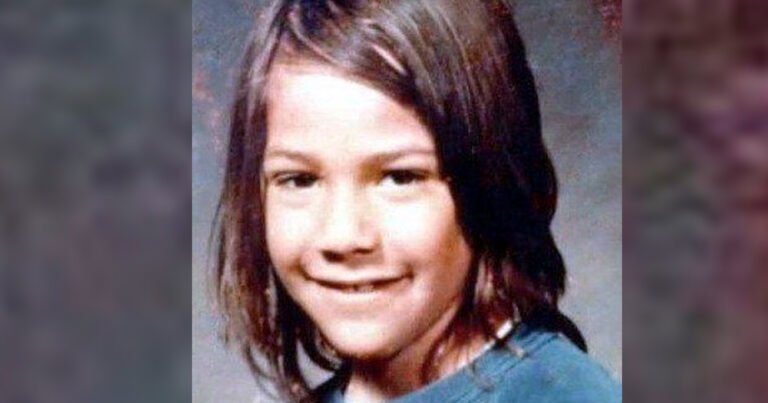
Global superstar Shania Twain is a household name today, synonymous with chart-topping hits and sold-out arenas. Yet long before the fame and fortune, her life was marked by hardship few fans could have imagined. Behind the glittering career stands a childhood shaped by poverty, responsibility, and resilience.
Raised in Timmins, Ontario, in a family struggling to survive, Twain grew up in a household where money was scarce. Her stepfather worked a low-paying reforestation job, while her mother battled depression. As one of five children, she learned early what it meant to go without basic necessities.
First Taste of Performing
Music became both an outlet and a lifeline. While she now commands global stages, her first performances were in local bars. Still a child, she sang late at night after alcohol had been served, since she was too young to legally be present while drinks were being poured. By 11, she secured a permit to perform earlier in the evening, though she would not earn money from singing until she turned 14.
At the same time, she juggled school and a job at McDonald’s — a position she later described as her “saving grace.” The steady paycheck and access to regular meals provided a stability she had rarely known. Her days were relentless: school, work, then late-night singing gigs, leaving her physically drained but mentally determined.
Poverty defined much of her early experience. There were times when essentials like food, heating, and electricity were missing. She became painfully aware of her family’s struggles at school, often arriving without lunch and hoping classmates might leave scraps behind. To avoid embarrassment, she would tell teachers she had forgotten her meal at home or in her locker.
When life at home became overwhelming, she sought refuge in nature. She would take her guitar into the forest, light a small fire, and immerse herself in music — the only space where she could momentarily escape the weight of responsibility pressing down on her young shoulders.
But financial hardship was only part of the trauma. Her stepfather, who had legally adopted her and her siblings, created a volatile and frightening environment. Twain has spoken about defending herself against his violence, recalling one confrontation in which she hurled a chair at him. “I think a lot of that was anger, not courage,” she later said.
She also endured sexual abuse beginning at the age of ten, a secret she carried for years before publicly addressing it. The emotional scars were compounded when tragedy struck: at 22, both her mother and stepfather died in a car crash. As the second eldest, she stepped in to raise her younger siblings, determined to keep the family together.
A New Job
To support them, she accepted a singing job at a nearby resort, which provided modest housing. Her days began with chopping wood to heat the home and preparing her siblings for school, followed by late-night performances. Despite the exhaustion, she maintained the polished image expected of a professional entertainer — a role that forced her to focus on herself in ways she never previously had.
The Big Break
As her siblings grew more independent, Twain turned her attention fully to her own career. She recorded a demo and sent it to various labels. Her persistence paid off when Mercury Nashville signed her, launching what would become an extraordinary musical journey.
During this period, she met renowned producer Robert “Mutt” Lange. Their professional collaboration evolved into marriage, and together they crafted her signature sound, co-writing and producing major hits. The partnership propelled her to international superstardom, and they welcomed a son, Eja D’Angelo Lange.
Yet even at the height of success, new challenges emerged. Twain began experiencing vocal difficulties that were eventually diagnosed as Lyme disease — a condition that affected her vocal cords. After undergoing surgery, she returned to music with a raspier tone, embracing the change as part of her artistic evolution.
Her personal life faced another devastating blow when she discovered Lange was having an affair with her close friend and former secretary, Marie-Anne Thiébaud. In a twist of fate, Twain found comfort in Marie-Anne’s husband, Frédéric Thiébaud, who had also been blindsided by the betrayal. What began as shared heartbreak gradually blossomed into love, and in 2011, Twain and Thiébaud married.
Today, Twain says she harbors no bitterness toward her ex-husband. She recognizes his contribution to her musical legacy and the child they share. Her journey — marked by poverty, abuse, loss, illness, betrayal, and ultimately renewal — underscores the depth of resilience behind the star.
From the darkest lows to the brightest heights, Shania Twain’s story is far more complex than fame alone.