
CDC Issues Alarming Tick Bites Warning Across US

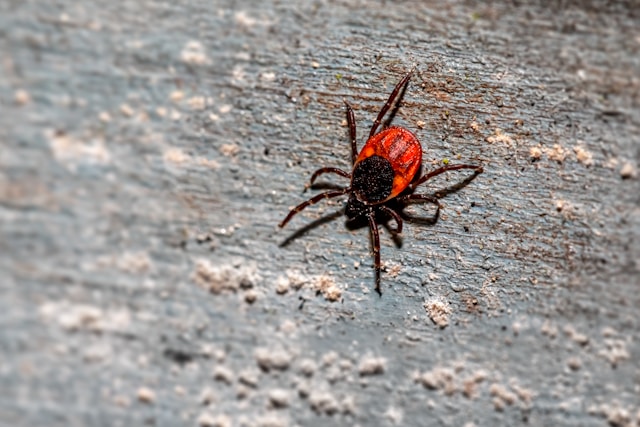
Something about this year’s tick bites season feels off.
Usually, health officials start warning people closer to summer, when families are spending more time hiking, camping, and sitting outside in backyards.
But in 2026, the alarms started much earlier. Hospitals across several states are already seeing a sharp increase in patients showing up with tick bites, strange rashes, fevers, and symptoms doctors normally expect later in the season.
And this is not limited to one region anymore.
From New England to parts of the Midwest, emergency room doctors say they are dealing with unusually high numbers of tick related visits for this time of year. According to federal data, the current spike is the worst spring surge the country has seen since 2017.
For many Americans, tick warnings tend to blend into the background. People hear about Lyme disease every summer, then move on. But the situation in 2026 has become difficult for public health officials to ignore.
The CDC has already issued warnings encouraging people to protect themselves before the season reaches its peak. Health experts say warmer winters and earlier spring temperatures likely allowed ticks to become active faster than usual. That means people are getting exposed weeks earlier than expected.
The numbers tell the story clearly.
Emergency room visits connected to tick bites jumped more than 25% this April compared to the same month last year. And those numbers only reflect people who actually went to the ER. They do not include urgent care visits or the many people who remove ticks at home and never seek medical treatment.
The Northeast currently has the highest rate of tick related emergency visits in the country. CDC tracking data shows around 58 visits per 100,000 emergency department visits in that region alone. The Midwest follows behind at 40 visits per 100,000.
Meanwhile, states in the Southeast are also seeing increases in tick bites, although not at the same level as the Northeast.
Pennsylvania has become one of the clearest examples of the surge. Researchers at the Pennsylvania Tick Research Lab reported receiving dramatically more tick samples this year compared to 2025, which had already been considered above average.
Doctors in Alabama are also sounding concerned. State health officials reported that more than 200 people had already visited emergency rooms because of tick bites this year, something epidemiologists say is unusually high for this point in the season.
Part of the problem is that ticks are incredibly easy to miss.
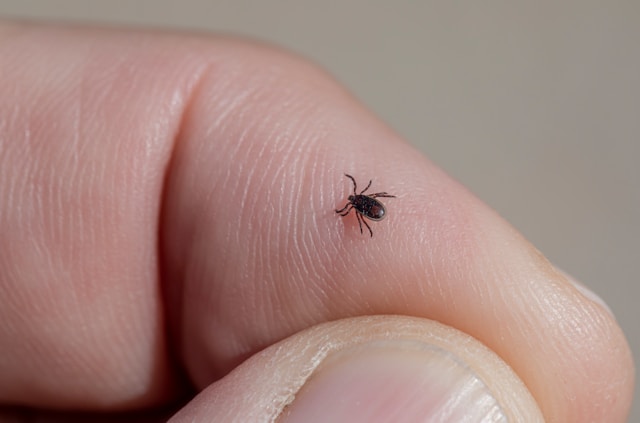
Adult deer ticks can be as small as sesame seeds. Younger ticks, called nymphs, are even smaller. Some are barely larger than a poppy seed. Many people never feel the bite at all because ticks release substances that reduce pain and suppress the body’s immediate immune response while feeding.
That gives them time.
And time matters.
Health experts say Lyme disease transmission becomes much more likely once a tick has remained attached for over 24 hours. Unfortunately, many people do not notice a tick until much later.
Lyme disease remains the most common tick borne illness in the United States. Federal estimates suggest around 476,000 Americans are treated for Lyme disease every single year.
Early symptoms can look deceptively simple at first.
- Fatigue.
- Headaches.
- Fever.
- Body aches.
Some people develop the well known bull’s eye rash, although not everyone does. If Lyme disease goes untreated, it can lead to more serious complications involving the joints, nervous system, and even the heart.
Doctors say one of the biggest mistakes people make is dismissing early symptoms as a regular summer illness.
Another illness drawing concern this year is Rocky Mountain spotted fever, often shortened to RMSF. Despite the name, the disease is actually reported more frequently in Southeastern and South Central states.
RMSF can become extremely dangerous if treatment is delayed. In severe cases, it can turn fatal within days. Health experts stress that early antibiotics are critical.
But perhaps the most unsettling tick related condition is one many Americans still know very little about.
Alpha gal syndrome.
The condition sounds obscure until you learn what it does.
After certain tick bites, some people suddenly develop an allergy to red meat and other animal products. Beef, pork, dairy, and even gelatin can trigger reactions ranging from stomach pain to full anaphylaxis.
And unlike most food allergies, symptoms often appear hours after eating.
That delay makes it incredibly difficult for people to realize what is happening.
Someone might eat a burger at dinner and wake up in the middle of the night covered in hives or struggling to breathe without connecting it to the meal at all.
Researchers believe hundreds of thousands of Americans may now be living with alpha gal syndrome, although the exact number remains unclear.
What worries experts even more is how quickly cases appear to be spreading geographically.
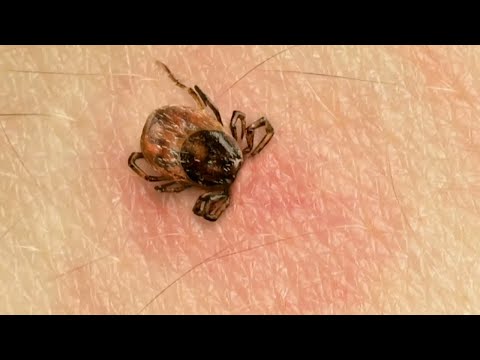
For years, alpha gal syndrome was mostly associated with the Southeast. Now doctors are identifying cases in Northeastern and Midwestern states too.
Researchers studying alpha gal trends described the rise as explosive compared to a decade ago.
And there is currently no vaccine preventing it.
That is why health officials keep returning to the same message repeatedly: prevention matters more than ever this year.
The CDC recommends several protective steps that genuinely lower risk if people actually follow them consistently.
One of the most effective options involves treating outdoor clothing and gear with permethrin. Unlike regular bug spray, permethrin is designed for fabrics and remains effective through multiple washes.
Experts also recommend EPA approved repellents containing ingredients such as DEET or picaridin when spending time outdoors.
Simple clothing choices help too.
Wearing light colored clothing makes ticks easier to spot before they attach. Long pants tucked into socks may not look fashionable, but doctors say it significantly reduces exposure while hiking or walking through wooded areas.
After coming indoors, the precautions continue.
Health officials strongly encourage people to perform full body tick checks after spending time outside, especially around wooded trails, tall grass, or leaf litter.
Ticks often hide in places people forget to examine.
- Behind the ears.
- Under the arms.
- Behind the knees.
- Inside the belly button.
- Along the hairline.
Even pets can carry ticks into the home without owners realizing it.
Veterinarians are advising pet owners to inspect dogs and cats daily during peak tick season, especially around the ears, paws, neck, and groin area.
And if you do find a tick attached to your skin, how you remove it matters.
Doctors say the safest method is surprisingly simple: use tweezers, grab the tick close to the skin, and pull straight upward steadily.
- No twisting.
- No burning.
- No coating it with nail polish, alcohol, petroleum jelly, or other internet “hacks.”
Many viral removal tricks actually increase the chance of disease transmission because they irritate the tick while it is still attached.
Once removed, wash the area thoroughly with soap and water.
Most tick bites do not require an emergency room visit by themselves. In fact, doctors say removing the tick quickly at home is usually the best immediate action.
The ER becomes necessary when symptoms begin appearing afterward.
- A spreading rash.
- High fever.
- Facial drooping.
- Joint swelling.
- Difficulty breathing.
Those are the warning signs doctors do not want people ignoring.
The bigger issue hanging over 2026 is that this may not be temporary.
Scientists have been warning for years that climate patterns, warmer winters, and changing wildlife behavior could expand tick populations across the country.
Now many researchers believe that expansion is already happening in real time.
Ticks are appearing earlier in the year, surviving in larger numbers, and spreading into regions that previously saw lower activity.
In other words, this may simply be the new normal.
And for millions of Americans who spend time outdoors, whether hiking mountain trails or just gardening in the backyard, awareness has become essential.
Because the reality is simple.
Most people who get bitten never expected it to happen to them.
They were walking the dog.
Mowing the lawn.
Taking their kids to a park.
Doing completely ordinary things.
That is exactly why health officials are taking the 2026 season so seriously.
Not because ticks are new.
But because this year, they seem to be everywhere.