

Crossed legs are something you notice every day, especially among women. Crossed legs appear so naturally that most people never stop to question it. Yet behind this simple posture is a complex mix of psychology, social conditioning, and practicality. When you look closer, it reveals subtle truths about how women are shaped by society, how they communicate without words, and how they adapt to their environment.
Crossed legs have evolved, shaped by fashion and social expectations.
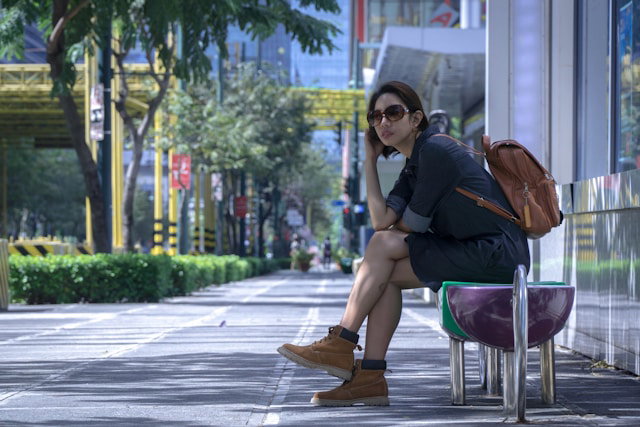
In earlier centuries, women were expected to sit in ways that reflected modesty and class. When long dresses were common, women were taught to cross their ankles rather than their knees. This posture, often referred to as a modest and controlled position, was associated with refinement and higher social status.
As fashion changed in the 20th century and hemlines became shorter, crossed legs shifted from the ankles to the knees. Despite this change, the underlying expectation remained the same. Women were still encouraged to sit in a way that took up less space and appeared composed.
Even today, crossed legs carry traces of these historical expectations. The posture may feel natural, but it is deeply connected to how women were taught to present themselves over generations.
However, it does not look the same everywhere. Different cultures have their own expectations about how women should sit, and these expectations influence behavior from a young age.
In Japan, for example, women often sit with their legs folded to one side in a formal position. Sitting cross-legged in the Western sense is sometimes viewed as less appropriate for women in traditional settings. In contrast, Western cultures commonly associate crossed legs at the knees or ankles with elegance, especially in formal environments.
These differences show that crossed legs are not just about comfort. It reflects deeper ideas about femininity and behavior. In cultures with stricter norms, sitting becomes part of how women express identity and social roles.
At the same time, younger generations are beginning to move away from these expectations. Many women today prioritize comfort over tradition, choosing how to sit based on what feels natural rather than what is considered proper.
Crossed legs are often influenced by what women wear. Clothing plays a major role in how the body moves and positions itself.
When wearing skirts or dresses, crossed legs help prevent accidental exposure. This makes the posture both practical and protective. Many women develop the habit early on, and it continues even when they are wearing pants.
There is also a comfort factor. Crossing the legs can feel more stable and balanced when sitting. For women who wear high heels, crossed legs can help relieve pressure by redistributing weight and reducing strain on the feet.

Over time, these practical reasons reinforce the habit. Crossed legs become automatic, even in situations where it are no longer necessary.
Crossed legs can also reflect what a woman is feeling internally. It is often linked to emotional states such as comfort, tension, or self-awareness.
In some situations, crossed legs act as a protective posture. It creates a physical barrier that can signal a need for personal space. This is especially common in unfamiliar or stressful environments, where the body naturally seeks a sense of security.
At the same time, crossed legs are not always defensive. In relaxed settings, it can simply indicate that a woman feels at ease. Studies suggest that women may even cross their legs more when they are comfortable, not less.
This shows that crossed legs have multiple meanings. It depends on the situation, the person, and the overall body language. There is no single explanation, which makes it a complex and layered behavior.
Crossed legs play a role in silent communication. Without speaking, the way a woman positions her legs can send signals to others.
If crossed legs are directed toward someone, it may show interest or engagement. If it is turned away, it can suggest discomfort or lack of attention. These signals are often subtle, but people pick up on them instinctively.
Small details matter. The height of the cross, the movement of the foot, and how often the position changes all add meaning. A relaxed crossed-legs posture can feel open and calm, while a tense one may suggest unease.
This kind of communication happens without conscious effort. Crossed legs become part of how women express themselves in everyday interactions.
Crossed legs are strongly influenced by social conditioning. From a young age, many girls are taught to sit in ways that appear proper and controlled.
Phrases like “keep your knees together” or “sit nicely” are commonly directed at girls. These instructions shape behavior over time, turning crossed legs into a default posture.
Research suggests that many women do not cross their legs only for comfort. They do it because they have internalized the idea that other positions may be seen as inappropriate.
This shows how deeply social norms can affect even the smallest actions. Crossed legs become more than a habit. It becomes part of how women navigate expectations about gender and behavior.
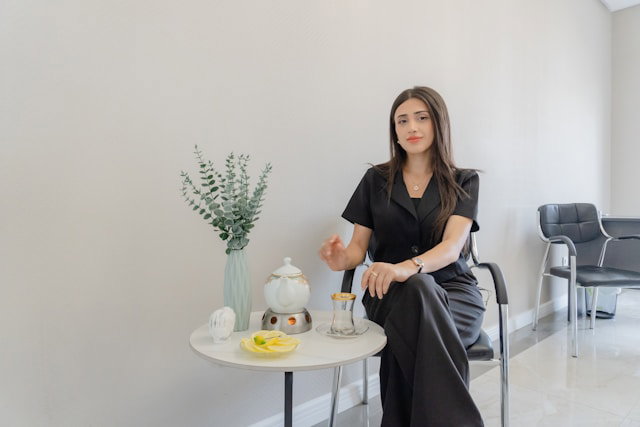
Crossed legs also play a role in professional settings. The way a woman sits can influence how she is perceived in the workplace.
A controlled posture is often seen as polished and attentive. It fits with expectations of professionalism, especially in formal environments.
However, this creates a challenge. The same posture that appears refined can also make a woman seem less dominant or authoritative. Because of this, many professionals are now more aware of how body language affects perception.
Some coaches even train women to adjust their posture strategically. By understanding when to use crossed legs and when to adopt a more open position, they can balance professionalism with presence.
Crossed legs are generally safe, but sitting in any position for too long can have effects on the body.
Keeping crossed legs for extended periods may temporarily affect circulation or posture. It can also place uneven pressure on the hips and lower back.
However, research suggests that occasional crossed legs is not harmful for most people. The main issue is staying in one position for too long, not the posture itself.
Switching positions regularly and maintaining good posture can help reduce any discomfort. Crossed legs, when used in moderation, are unlikely to cause serious problems.
Today, many women are moving away from strict rules about how to sit and are choosing what feels most comfortable.
In modern environments, crossed legs are no longer seen as a requirement for femininity. It is becoming a personal choice rather than a social obligation.
This shift reflects broader changes in society. Women are increasingly prioritizing autonomy and comfort over traditional expectations.
As a result, crossed legs are just one of many ways to sit, rather than the expected norm.
Crossed legs cannot be explained by a single reason. It is the result of multiple factors working together.
Physical comfort, clothing, social conditioning, psychological needs, and cultural norms all play a role. Each woman may have her own combination of reasons for adopting this posture.
What seems like a simple habit is actually shaped by years of influence. It reflects both personal choice and external expectations.
Crossed legs are a common posture among women, but it carry more meaning than it appear. It is shaped by history, culture, psychology, and everyday practicality.
While keeping your legs crossed can communicate subtle messages, it is often just a comfortable and familiar way to sit. Understanding this behavior helps reveal how even small actions are influenced by larger social and personal factors.
Next time you notice women keeping their legs like that, it is worth remembering that this simple posture reflects a complex mix of influences that go far beyond comfort.


