Everything the Cameras Caught (But Wished They Hadn’t) in The Blue Lagoon

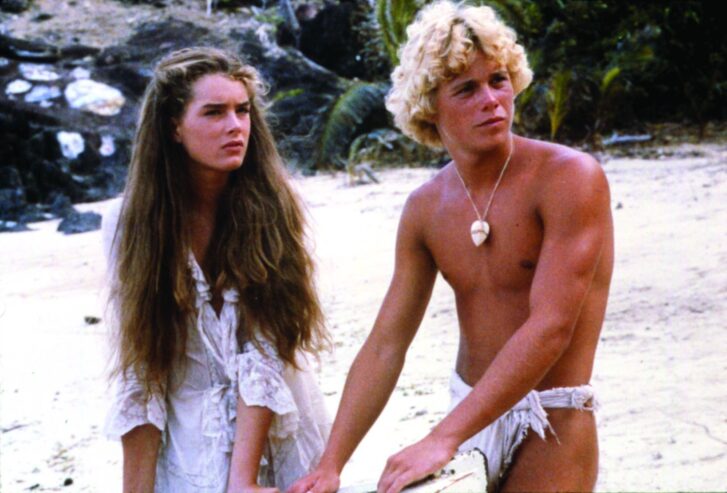
Few movies manage to stay both in the memory of cinema lovers and are debated even decades after their release, but The Blue Lagoon continues to do just that. Premiering in 1980, it brought together romance, survival, and a coming-of-age narrative in a visually captivating way—yet it remains a film that splits opinion to this day.
For some viewers, it’s remembered as a soft, almost mind-blowing story filled with innocence and natural beauty. For others, it raises difficult questions about its concept, performances, and especially its moral boundaries that it crossed…
The story that fascinated—and unsettled—audiences
At the center of the film are two children, portrayed by Brooke Shields and Christopher Atkins, who survive a shipwreck and grow up alone on a deserted island. Without adult influence, they learn to survive, mature, and eventually build a life together.
It’s a storyline that feels almost like a fable—youth shaped entirely by nature—but it’s also the very reason the film has long sparked discomfort. The transition from childhood to adulthood unfolds without societal context, something that continues to divide audiences between admiration and unease.
A visual triumph that still impresses
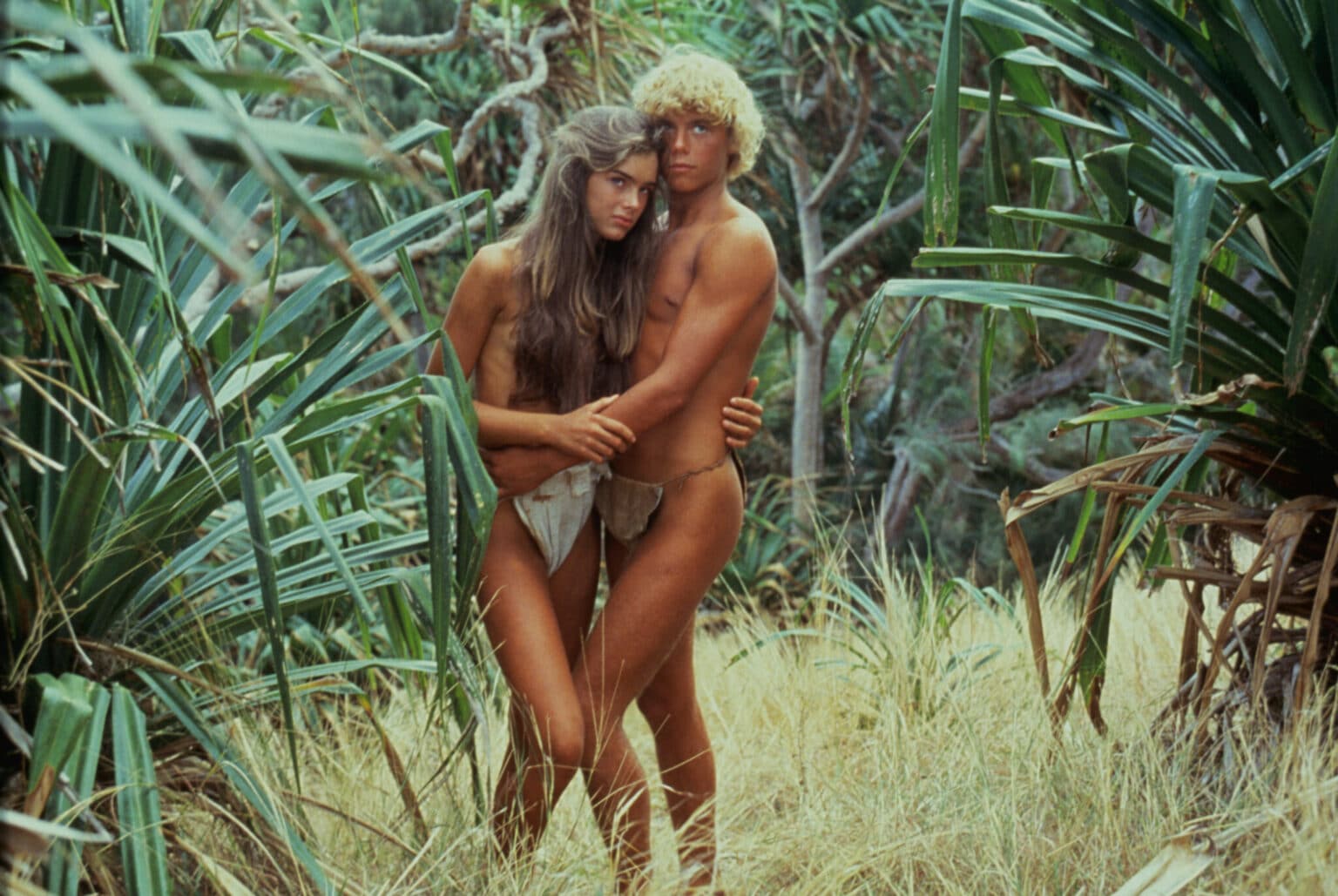
Even critics who take issue with the film often acknowledge one thing: its stunning cinematography.
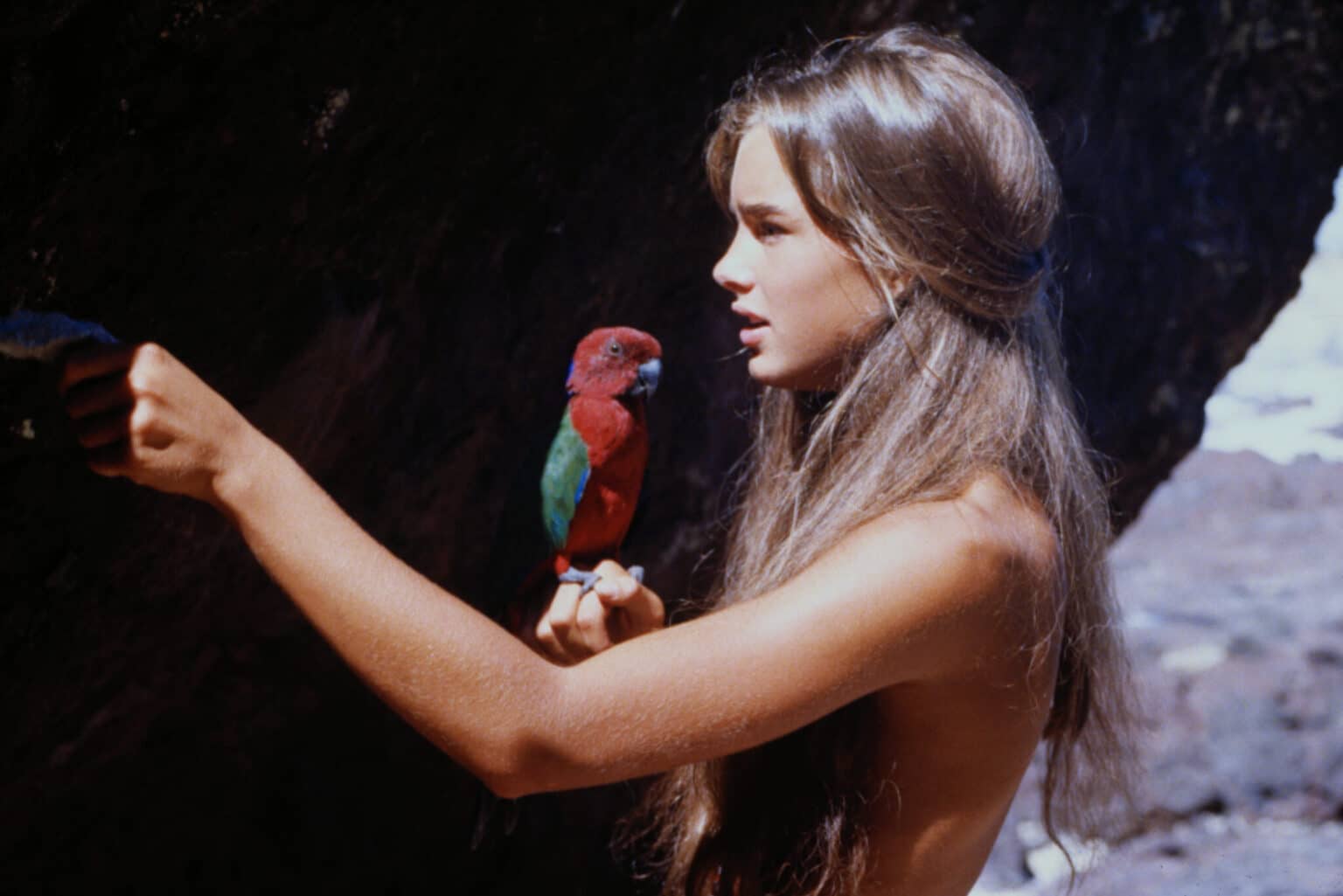
Filmed in Fiji’s Yasawa Islands, the imagery creates a version of paradise that feels untouched and almost surreal. The gentle lighting, vivid ocean tones, and lush landscapes give the film a dreamlike quality, making the setting feel just as important as the characters themselves.
This visual strength is a key reason the film has endured. It pulls viewers into a world that feels both real and otherworldly at the same time.
Why it wouldn’t be made the same way today
One of the most talked-about aspects of the film is the age of its lead actress. Brooke Shields was only 14 during filming—something she has since acknowledged would not align with today’s standards.
Although body doubles and careful camera work were used, the broader context still fuels ongoing debate. With stricter industry regulations and greater cultural awareness today, a production like this would likely face significant scrutiny—or not happen at all.
Behind the scenes, reports of difficult filming conditions—ranging from isolation to illness—add another layer to how the movie is viewed in retrospect.
The odd appeal of its imperfections
Part of what keeps the film alive in public conversation is, surprisingly, its flaws.
There are noticeable inconsistencies, from sudden shifts in time of day to unrealistic elements of survival. For some, these details weaken the story. For others, they give it a strange charm that elevates it to cult status.
This contrast is exactly what fuels the debate:
- Is it a poetic, dreamlike fantasy?
- Or an awkward product of its era?
The answer tends to depend entirely on who’s watching.
A legacy that refuses to fade
Despite receiving mixed reviews, the film performed strongly at the box office, earning nearly $60 million and later gaining even more exposure through television broadcasts worldwide.
Over time, it grew into more than just a movie. It became a cultural reference point—frequently revisited, parodied, and analyzed for both its beauty and its controversy.
So what is The Blue Lagoon today?
There’s still no single answer.
For some, it’s a visually rich coming-of-age story set in an untouched paradise. For others, it represents outdated ideas and uncomfortable creative choices.
In reality, it exists somewhere in between—and that’s likely why it still resonates. Not because it’s flawless, but because it sits at the intersection of storytelling, culture, and ethics.
Decades later, audiences are still watching it, still debating it, and still deciding how they feel about it.