
If You Sleep With Socks On Every Night, Science Says Something Surprisingly Powerful Happens

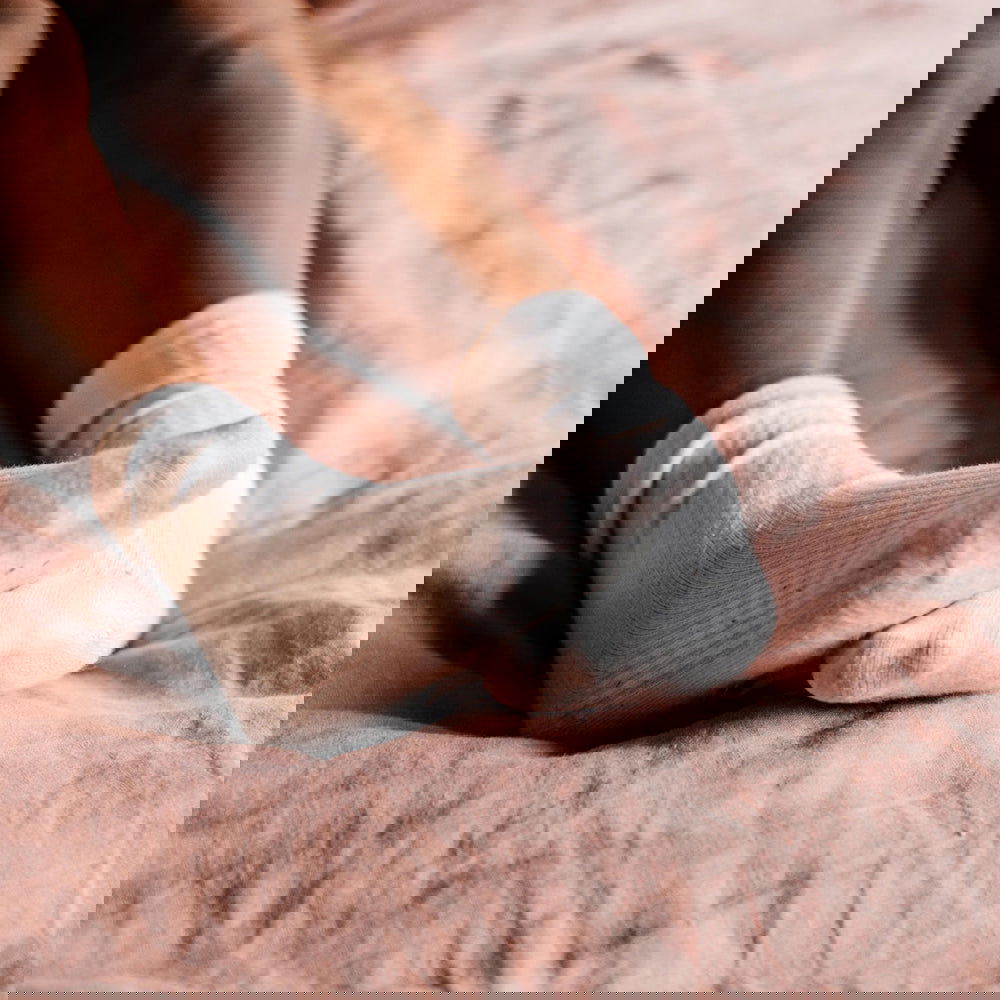
Sleeping with socks on is one of those bedtime habits that tends to divide people. Some find it soothing and cozy, while others dislike the feeling and prefer bare feet. It’s often brushed off as a quirky preference or something people do simply because they get cold at night. But research suggests this small routine may actually play a meaningful role in how well we sleep.
What seems like a minor decision—covering your feet before bed—can influence several aspects of sleep. It may affect how quickly you drift off, how deeply you sleep, how often you wake during the night, and even how refreshed you feel in the morning. The explanation has less to do with comfort alone and more to do with the body’s internal systems, including temperature control, circulation, hormones, and the natural sleep cycle.
The Body’s Quiet Signal That It’s Time to Sleep
Falling asleep isn’t controlled by the brain alone. It’s a coordinated process involving the entire body, and one of the most important triggers is a gradual drop in core body temperature.
As evening approaches, the body begins cooling itself down. This cooling process signals the brain that it’s time to transition from wakefulness to rest. The more efficiently this temperature drop happens, the easier it becomes to fall asleep.
Surprisingly, the feet play a key role in this nightly shift.
The blood vessels in the feet act almost like natural radiators. When they widen, they allow heat to escape from the body through the skin. Scientists refer to this process as distal vasodilation. Warm feet encourage these vessels to open, allowing heat from the body’s core to dissipate more easily.
This is where socks can make a difference.
Why Wearing Socks May Help You Fall Asleep Faster
At first glance, it might seem counterintuitive. If socks warm your feet, you might assume they would raise body temperature and delay sleep. In reality, the opposite tends to happen.
When your feet are warm, blood vessels expand, improving circulation to the skin’s surface. This increased blood flow helps move heat away from the core of the body, allowing the internal temperature to drop faster. That temperature drop sends a powerful cue to the brain that it’s time for sleep.
Studies have found that people who wear socks to bed often fall asleep more quickly than those who don’t. Even a small reduction in the time it takes to fall asleep can improve overall sleep quality, particularly for individuals who struggle with insomnia or restless nights.
The Link Between Warm Feet and Melatonin
Melatonin is the hormone most closely associated with sleep. It regulates the body’s circadian rhythm and signals when it’s time to rest. As evening light fades and body temperature begins to drop, melatonin production naturally increases.
By helping the body cool down more efficiently, warm feet may indirectly support this hormonal process. The transition from wakefulness to sleep becomes smoother, reducing the time spent tossing and turning.
This effect may be especially beneficial for older adults, whose melatonin production naturally decreases with age. Simple habits that strengthen the body’s natural sleep signals—like warming the feet—can become increasingly valuable over time.
How Cold Feet Can Quietly Disrupt Sleep
Many people who experience sleep problems never consider that cold feet could be part of the issue. Even if the rest of the body feels comfortable, cold extremities can subtly keep the nervous system alert.
When the body senses cold in the hands or feet, it tries to conserve heat. This can increase muscle tension and trigger mild stress responses, making it harder for the body to fully relax into sleep.
Wearing socks helps eliminate this signal. By keeping the feet warm, the body doesn’t need to work as hard to retain heat, allowing the nervous system to settle more easily.
Better Circulation and Nighttime Comfort
For individuals with circulation challenges, sleeping with socks may provide additional benefits. Conditions such as poor circulation, Raynaud’s phenomenon, diabetes-related cold sensitivity, or age-related vascular changes can cause discomfort in the feet at night.
A layer of warmth from loose socks can encourage blood flow, helping reduce numbness, tingling, or aching sensations that might otherwise interrupt sleep.
It’s important that socks are not tight. Soft, breathable socks are ideal, as restrictive ones can actually interfere with circulation rather than improve it.
Fewer Nighttime Wake-Ups
Falling asleep quickly is only one part of good sleep. Staying asleep is just as important.
Research suggests that stable body temperature during the night reduces micro-awakenings—brief interruptions that people may not remember but that break up sleep cycles and reduce the restorative quality of rest.
By helping regulate temperature in the feet, socks can support a more balanced thermal environment throughout the night. This can reduce the chances of waking due to discomfort from feeling too cold.
A Helpful Habit for Older Adults
As people age, the body becomes less efficient at regulating temperature. Many older adults feel colder at night and are more sensitive to environmental changes, which can make sleep more fragile.
Wearing socks provides a simple way to stay comfortable without relying on heavy blankets that might cause overheating or restrict movement. Because of this, many sleep specialists recommend warm feet as part of healthy sleep routines for aging populations.
Could Socks Influence REM Sleep?
REM sleep—the stage associated with dreaming, memory processing, and emotional regulation—depends heavily on uninterrupted sleep cycles.
Although there is limited direct research on socks and REM sleep specifically, maintaining continuous sleep without frequent awakenings supports longer and more stable REM periods. By helping reduce disturbances and maintain comfort, socks may indirectly contribute to more consistent REM sleep.
The Psychological Comfort Factor
Sleep is influenced not only by biology but also by psychology. Bedtime rituals and sensory cues can help the brain associate certain sensations with relaxation and safety.
For some people, wearing socks creates a feeling of warmth and coziness that signals the body it’s time to rest. Similar to the calming effect some people experience with weighted blankets, the comfort itself can help trigger relaxation.
Of course, this varies from person to person. The most important factor is whether the habit feels relaxing rather than restrictive.
When Socks Might Not Be the Best Choice
While many people benefit from wearing socks at night, the habit doesn’t work for everyone. Individuals who naturally run warm may find that socks cause overheating, which can disrupt sleep just as easily as being too cold.
The type of sock also matters. Breathable materials such as cotton, bamboo, or temperature-regulating wool blends tend to work best. Thick synthetic fabrics or compression-style socks may trap too much heat.
Paying attention to how your body responds is key. If socks cause sweating or nighttime discomfort, they may not be the right solution.
Part of a Bigger Sleep Routine
Healthy sleep habits—often referred to as sleep hygiene—include several factors: consistent bedtimes, limited screen exposure before sleep, dim lighting in the evening, and maintaining a cool bedroom environment.
Interestingly, many sleep experts recommend a cool room combined with warm hands and feet. This combination helps the body lower its core temperature while maintaining overall comfort. Wearing socks can help achieve this balance naturally.
An Old Habit With Scientific Support
Sleeping with socks isn’t a new idea. In colder regions and earlier generations, people commonly wore foot coverings to bed simply to stay warm. As modern heating systems became widespread, the habit became less necessary.
However, the body’s physiology hasn’t changed. The mechanisms that regulate temperature and sleep remain the same. What modern research is doing is explaining why this long-standing habit may have worked so well all along.
A Small Change That Can Make a Difference
Sleep often depends on subtle signals. Small adjustments in comfort and routine can sometimes have a noticeable impact.
For anyone struggling to fall asleep, waking frequently during the night, or feeling unrested in the morning, trying socks at bedtime may be a simple experiment worth considering. It requires no medication, supplements, or major lifestyle changes.
Sometimes, the simplest habits can make the biggest difference.
Final Thought
If wearing socks to bed helps you sleep better, there’s science supporting that experience. And if you’ve never tried it, it might be worth seeing how your body responds—especially if cold feet or restless nights are familiar problems.
What looks like a simple bedtime choice actually reflects a complex interaction between circulation, body temperature, hormones, and the brain’s sleep system.
Sleeping with socks isn’t a strange habit.
It’s biology quietly doing its work while you rest.