Shocking Celebrity Call-Out Moments You Can’t Ignore That Exposed Dark Drama

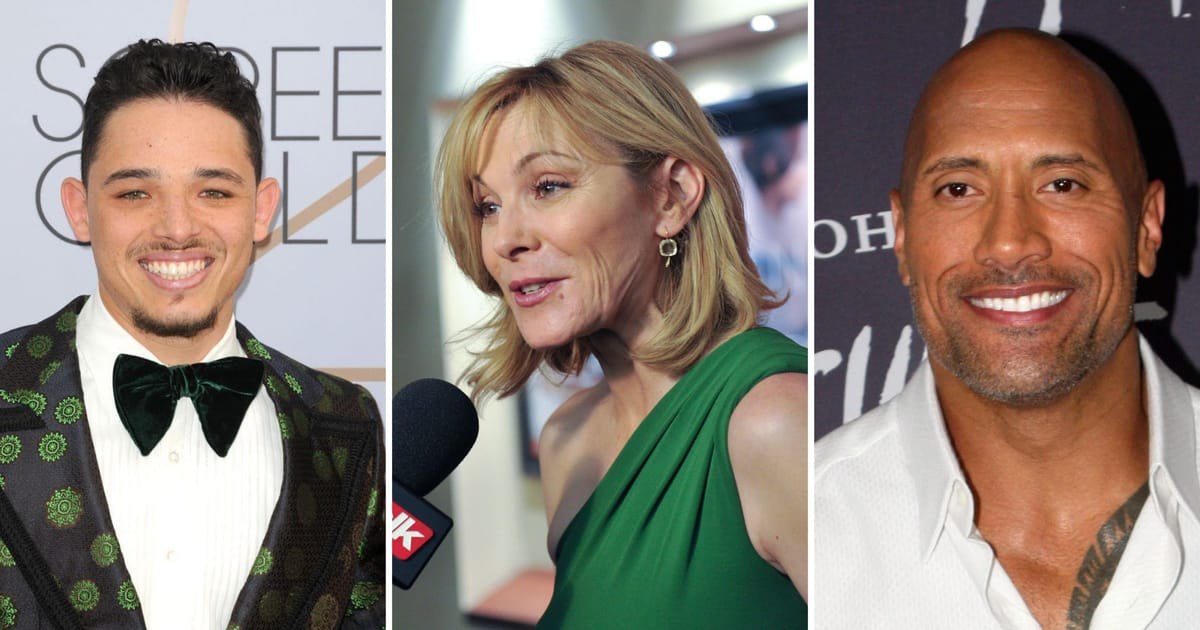
Call-out culture in Hollywood has created some of the most talked-about moments in entertainment. When famous figures choose to publicly speak up, the results often reveal tension, honesty, and unfiltered opinions. These call-out situations give audiences a closer look at what really happens behind the scenes. From interviews to social media posts, each call-out brings its own story, shaped by personal experiences and strong reactions.
Sometimes, after consuming heavy news, people turn to lighter topics for a break. Celebrity drama, especially a well-timed call-out, can feel entertaining and even revealing. These moments show how public figures react when boundaries are crossed or when they feel the need to speak up. Whether serious or playful, each call-out adds another layer to how we understand fame and relationships in the industry.
Margaret Cho and Ellen DeGeneres

One notable call-out came from Margaret Cho, who spoke openly about her long history with Ellen DeGeneres. According to Cho, their relationship dated back to the 1980s when she opened for DeGeneres during stand-up performances. Despite that shared past, Cho claimed that DeGeneres later acted as if they had never met.
This call-out highlighted Cho’s confusion and frustration. She described the behavior as strange and unsettling, especially considering their early professional connection. Cho also referred to DeGeneres as someone who could be both kind and difficult, depending on the situation. Over time, Cho felt that public perceptions of DeGeneres began to align more closely with her own experience, which made her call-out feel more validated.
Zac Efron, Taylor Swift, and Ellen DeGeneres
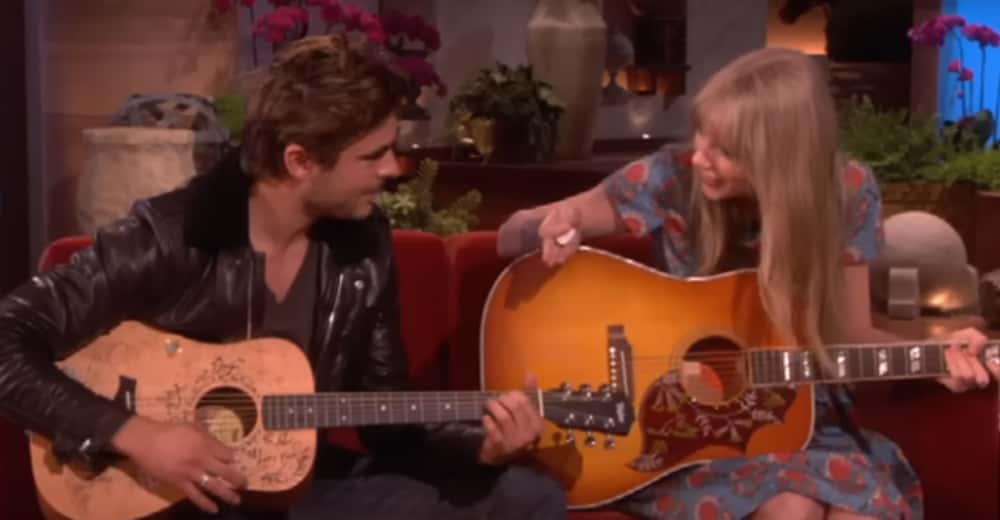
Another call-out involving Ellen DeGeneres happened in a lighter tone but still carried meaning. Zac Efron and Taylor Swift appeared on her show in 2012 and performed a humorous duet. While the performance seemed playful, it subtly pointed out behaviors that made them uncomfortable.
Through the song, they referenced how DeGeneres repeatedly teased them about dating and often surprised guests with pranks. This call-out was not aggressive, but it still revealed awkward moments behind the scenes. In hindsight, this moment stood out as an early sign that not everything on the show felt as friendly as it appeared.
Charisma Carpenter and Joss Whedon
A more serious call-out came from Charisma Carpenter, known for her role in Buffy the Vampire Slayer. During the COVID-19 pandemic, she shared her experiences working with creator Joss Whedon. Carpenter accused him of being controlling and abusive on set.
Her call-out described how his actions affected her mental and physical health. She explained that the environment created anxiety and isolation. Other cast members, including Amber Benson and Sarah Michelle Gellar, supported her statements. This call-out gained significant attention because it brought deeper concerns about workplace behavior in the entertainment industry into focus.
Jon Stewart and Hugh Grant
Jon Stewart also made headlines with his call-out of Hugh Grant. During Grant’s appearance on The Daily Show in 2009, things reportedly became tense behind the scenes. Stewart later described Grant as difficult and unpleasant to work with.
According to Stewart, Grant complained about the content selected for the show and behaved poorly throughout the process. This call-out became even more memorable when Stewart responded sharply to Grant’s criticism of a film clip. Although Grant later apologized, the situation left a lasting impression, and he was not invited back to the show.
Lili Reinhart and Kim Kardashian

Lili Reinhart used her platform to make a strong call-out directed at Kim Kardashian. The controversy began when Kardashian revealed she lost a significant amount of weight quickly to fit into a historic dress for the Met Gala.
Reinhart criticized this decision, calling attention to the message it could send to young audiences. Her call-out focused on the potential harm of promoting extreme weight loss. Even after receiving backlash, Reinhart stood by her words. She emphasized the importance of speaking out against unrealistic and harmful standards in the entertainment world.
Rose McGowan and Alyssa Milano
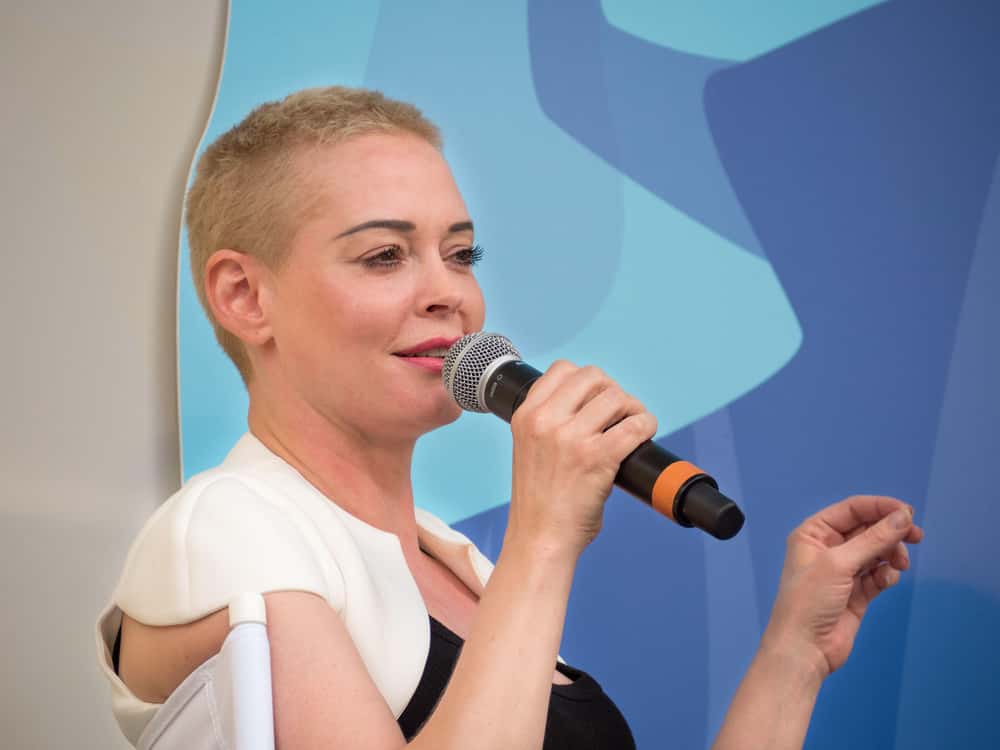
Rose McGowan delivered a powerful and emotional call-out toward her former co-star, Alyssa Milano. The situation escalated after Milano responded to McGowan’s political comments. McGowan then shared detailed accusations about Milano’s behavior on the set of Charmed.
This call-out included claims of toxic actions and personal conflicts. McGowan expressed deep frustration and described how the environment affected her emotionally. Milano responded by suggesting the comments came from a place of pain and chose not to continue the exchange. The situation showed how unresolved tensions can resurface publicly.
Anthony Ramos and Madonna
Anthony Ramos made a memorable call-out involving Madonna after attending a performance of Hamilton. During an interview, Ramos described how Madonna spent much of the show using her iPad instead of watching the performance.
This call-out stood out because it addressed audience etiquette, especially during live theater. Ramos expressed disbelief that someone would attend such a performance without fully engaging. Other cast members had also made similar remarks in the past, reinforcing the criticism.
Dominic Monaghan and Matthew Fox
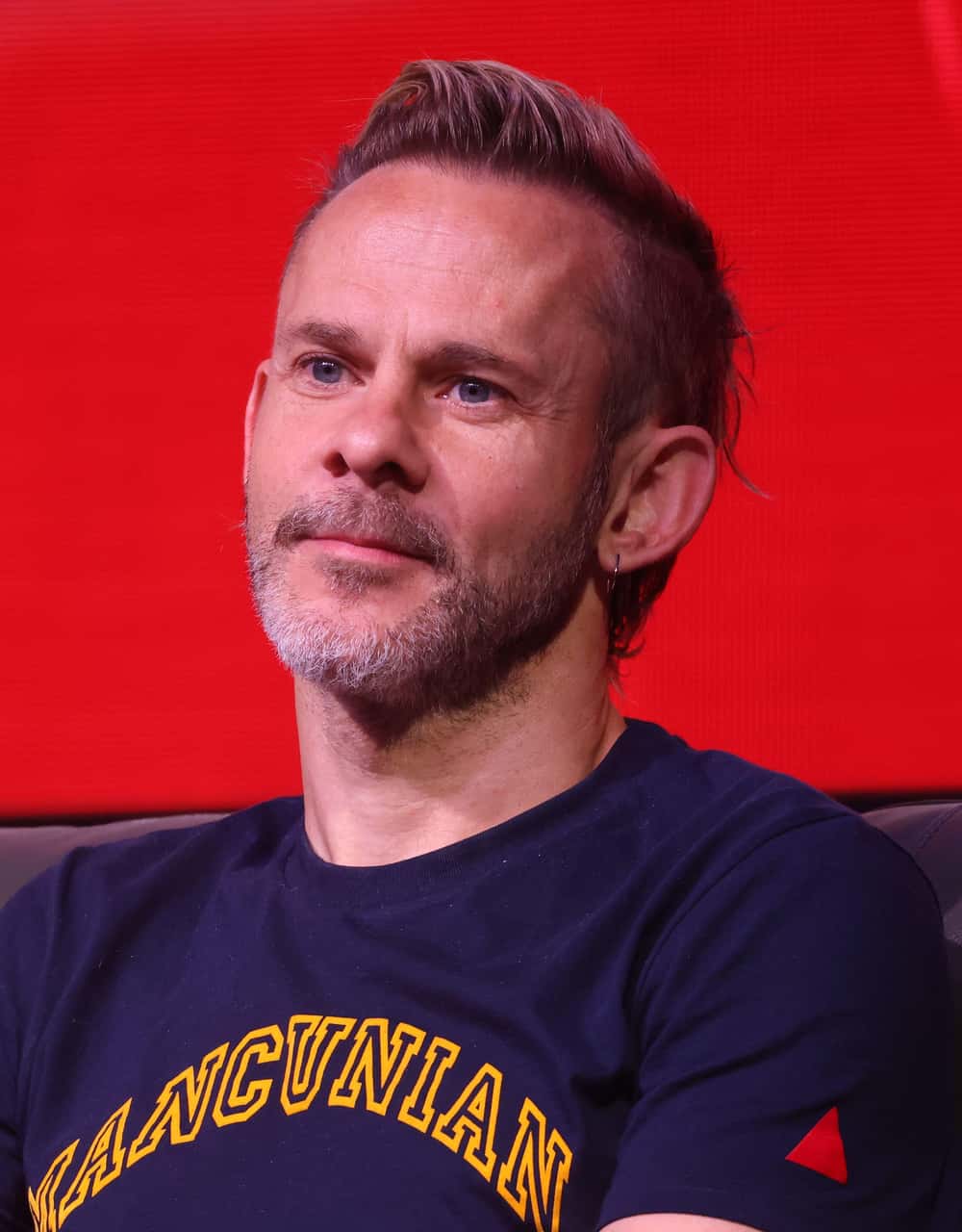
Dominic Monaghan’s call-out of his former co-star Matthew Fox sparked serious discussion. When a fan asked if Fox would join social media, Monaghan responded with allegations of abusive behavior.
This call-out included claims that Fox had a history of violence, which Fox strongly denied. The situation became more complex due to a previous incident involving Fox and a party bus driver. Despite the denial, the call-out drew attention because of its severity and the public nature of the accusation.
Jameela Jamil and Quentin Tarantino
Jameela Jamil used her voice for a call-out related to casting decisions in Hollywood. She criticized Quentin Tarantino for casting Emile Hirsch, who had previously been convicted of assault.
Her call-out focused on what she saw as a double standard in the industry. Jamil highlighted how individuals with serious past actions could still receive major opportunities. This moment sparked debate about accountability and privilege within the entertainment world.
Freddie Prinze Jr. and Kiefer Sutherland
Freddie Prinze Jr. shared his experience working on the show 24, leading to a direct call-out of Kiefer Sutherland. Prinze described the experience as extremely negative and claimed Sutherland behaved unprofessionally.
This call-out revealed how difficult working environments can be for actors. Prinze even stated that the experience made him consider leaving the industry. While some defended Sutherland, the situation showed how perspectives can differ widely depending on personal experience.
Maren Morris and Morgan Wallen
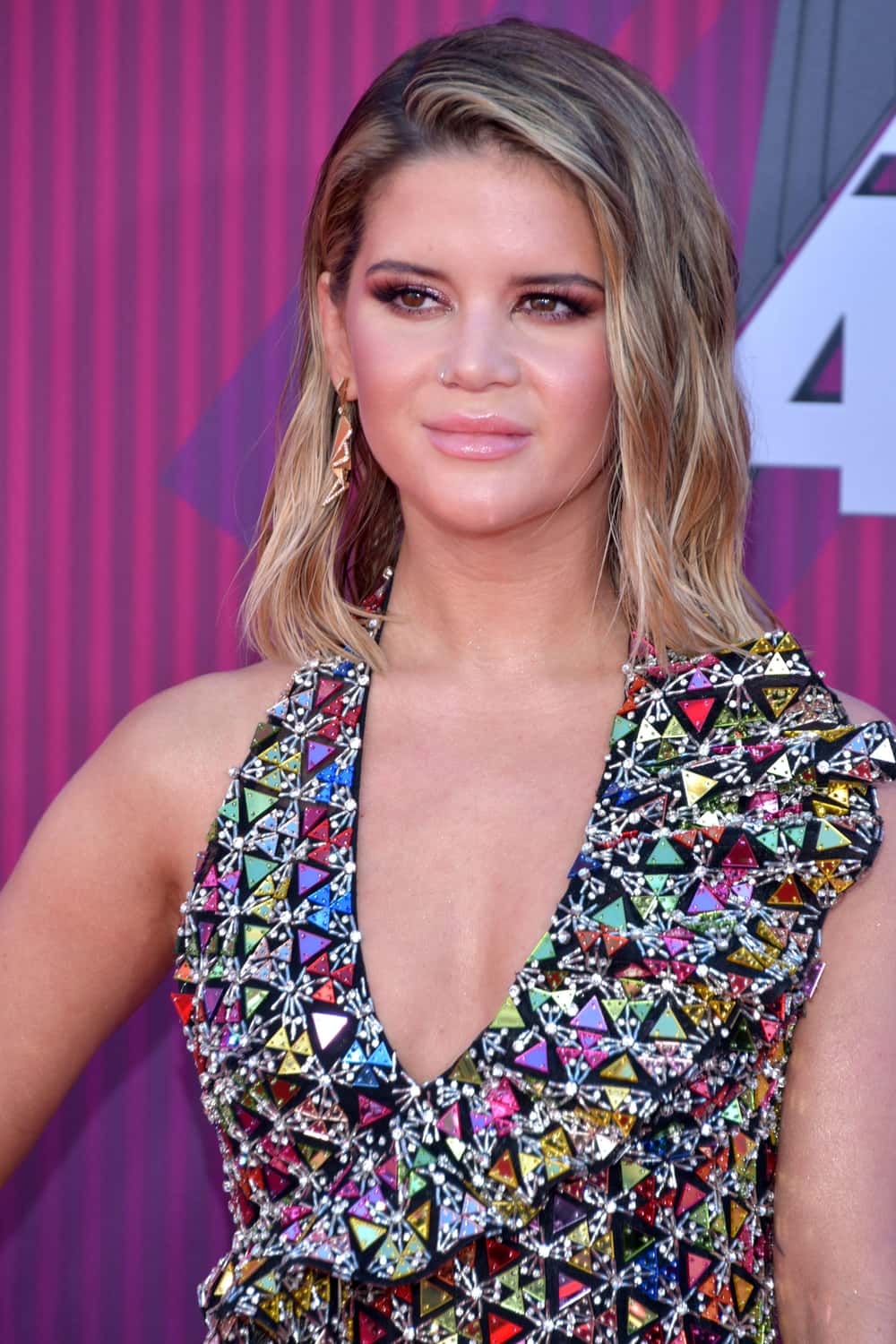
Maren Morris made a strong call-out after Morgan Wallen was caught using a racial slur. When someone defended Wallen publicly, Morris responded by pointing out broader issues within the music industry.
Her call-out emphasized that such behavior was not isolated and reflected deeper problems. Despite receiving backlash and threats, Morris continued to stand by her position. This moment demonstrated how a call-out can go beyond an individual and address systemic concerns.
Kim Cattrall and Sarah Jessica Parker
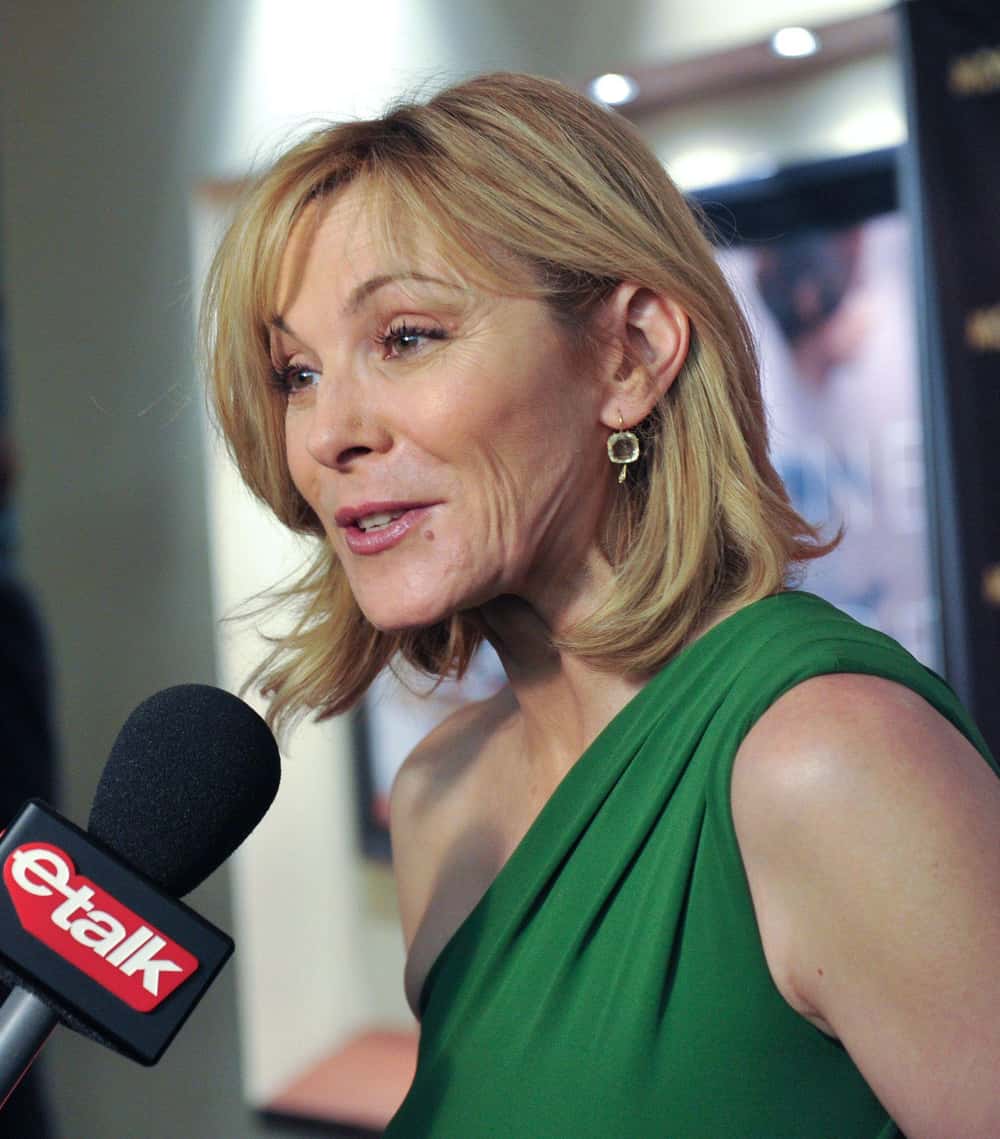
The relationship between Kim Cattrall and Sarah Jessica Parker became widely discussed after multiple public statements. Cattrall made a direct call-out, accusing Parker of being insincere and contributing to a toxic dynamic.
This call-out intensified after a personal tragedy in Cattrall’s life. She responded strongly to public messages from Parker, asking her to stop reaching out. Parker later expressed that the situation was painful and denied any ongoing conflict from her side. The ongoing tension made this one of the most talked-about celebrity disputes.
Dwayne Johnson and Vin Diesel
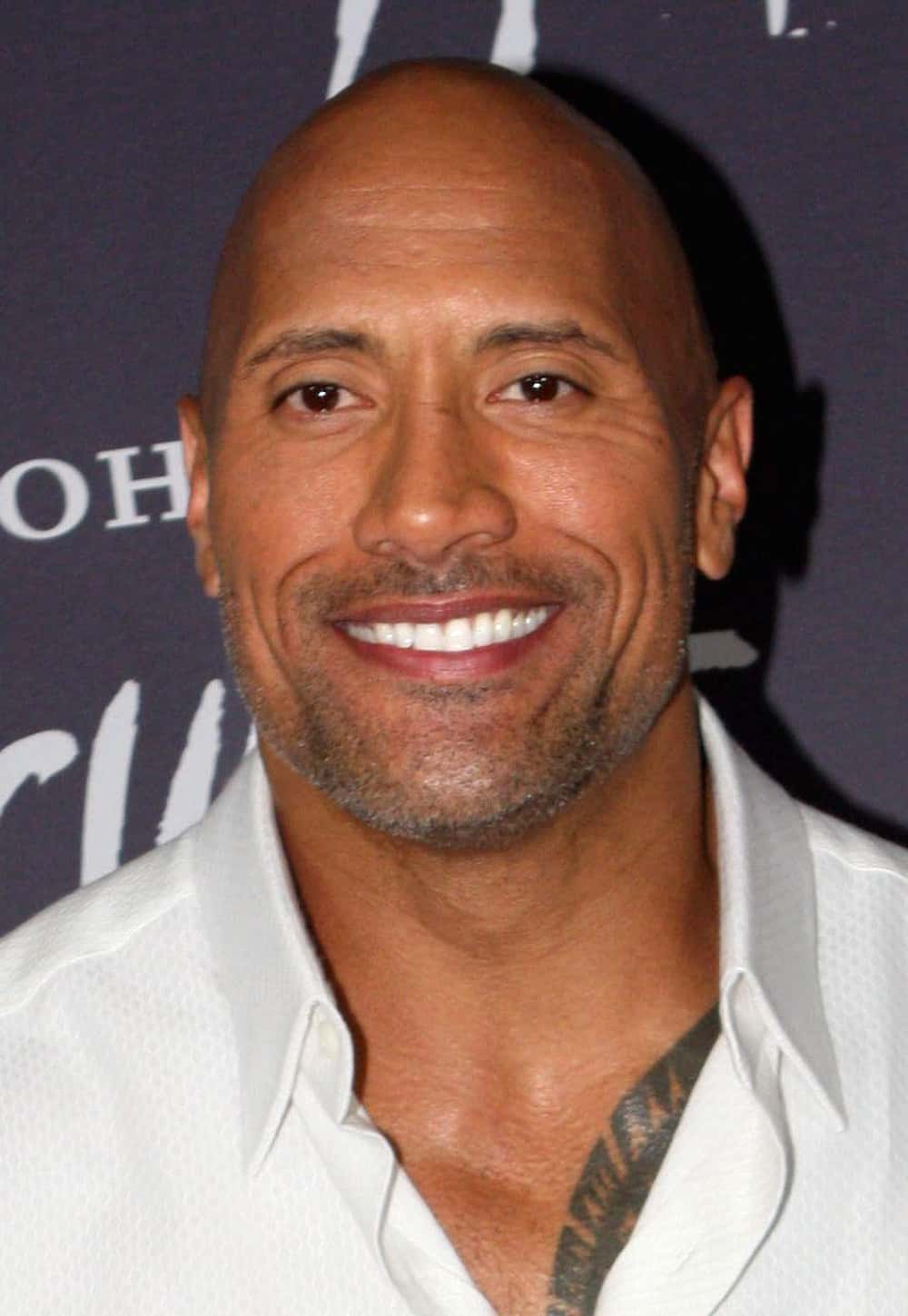
Dwayne Johnson made a cryptic but impactful call-out on social media regarding his co-stars in a major film franchise. While he did not name anyone directly, many believed he was referring to Vin Diesel.
In his post, Johnson praised some colleagues while criticizing others for lacking professionalism. This call-out drew attention because of its indirect nature, yet the message was clear enough to spark widespread speculation.
Marlon Wayans and Soulja Boy
Marlon Wayans entered a heated exchange with Soulja Boy after the rapper performed at a political event. The situation escalated quickly, leading to a direct call-out from Wayans.
He questioned Soulja Boy’s relevance and responded to personal remarks made during the argument. This call-out showed how quickly online conflicts can grow and become public spectacles.
Bette Midler and Ariana Grande
Bette Midler shared her opinion on Ariana Grande’s image in music videos, leading to a public call-out. Midler criticized the way Grande presented herself, suggesting it was unnecessary.
Grande responded calmly, pointing out Midler’s history of supporting freedom of expression. Despite the disagreement, Grande maintained respect in her response. This call-out highlighted generational differences in views on image and performance.
Celebrity call-out moments continue to shape how audiences view public figures. Each call-out reflects personal experiences, strong opinions, and sometimes deeper issues within the industry. Whether serious or lighthearted, these situations reveal that even in a world of fame and success, conflicts and disagreements are unavoidable.
By examining each call-out, it becomes clear that speaking up can carry both risks and impact. Some call-out moments lead to accountability, while others simply add to the ongoing narrative of celebrity culture. Either way, they remain a compelling part of how stories unfold in the public eye.