
Shocking Pinworms Signs You Should Never Ignore

Pinworms are one of the most common intestinal infections people deal with, especially during childhood. Even though the experience can feel uncomfortable and frustrating, it is far more common than most families realize.
Many parents panic when they first notice the symptoms, particularly the intense nighttime itching, but doctors consistently explain that pinworms are treatable and usually harmless.
The biggest problem with pinworms is not that they are dangerous. The real issue is how easily they spread from one person to another.
One child can unknowingly pass the infection through an entire household in just a short period of time. Because the eggs are microscopic and difficult to notice, families often continue spreading them without realizing it.
Another reason people become stressed is because of the stigma surrounding intestinal parasites. Many assume that pinworms only happen in homes with poor hygiene.
In reality, that is not true at all. Pinworms spread in schools, offices, daycare centers, playgrounds, and homes of every kind. Anyone can come into contact with the eggs.
Understanding how pinworms work makes the entire situation easier to manage.
Once you know how they spread, why symptoms become worse at night, and how treatment works, getting rid of them becomes much more manageable.
What are pinworms?
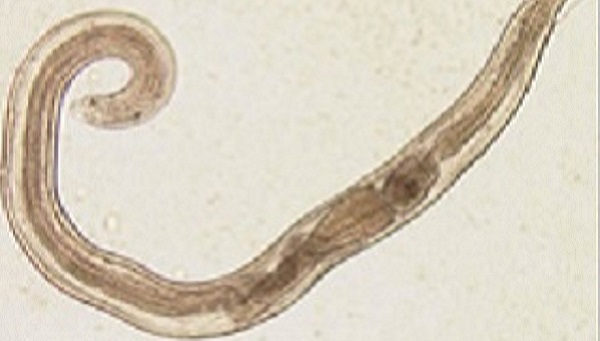
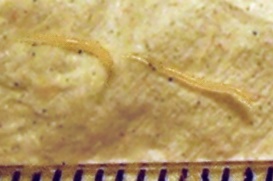
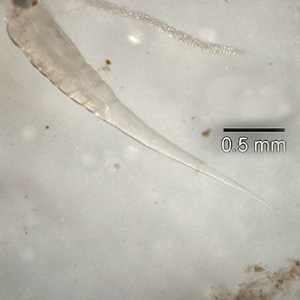
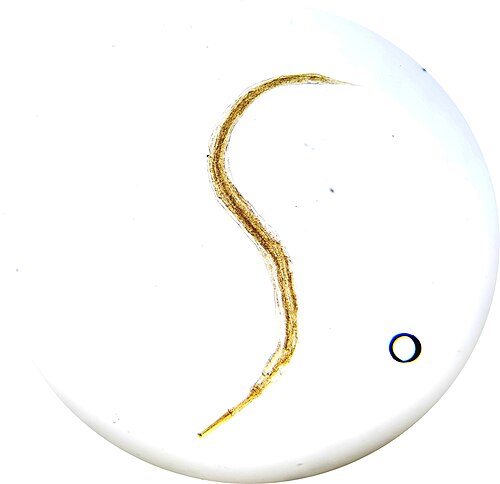
Pinworms are tiny white parasites medically known as Enterobius vermicularis. They are small, thin, and thread-like in appearance. Most grow to about 1.5 centimeters long, making them roughly the size of a staple. Although their appearance may seem alarming, pinworms are considered one of the most widespread intestinal parasite infections in the world.
These parasites live mainly inside the large intestine and rectum. Unlike some other parasites that damage organs or absorb nutrients from the body, pinworms usually stay within the intestinal area without causing serious medical harm. Their presence becomes irritating mainly because of the itching and sleep disruption they create.
Children are affected more often than adults because they frequently touch surfaces, toys, and shared objects before putting their hands near their mouths. However, adults can easily become infected too, especially when living in close contact with infected family members.
Doctors often explain that pinworms are more of a nuisance than a dangerous disease. Even so, the constant itching and repeated reinfections can become exhausting for households if the infection is not treated properly.
One of the biggest misunderstandings about pinworms is the idea that they only affect people who are not clean. This belief creates embarrassment for many families, but medical experts repeatedly stress that hygiene alone does not determine who gets infected.
Pinworm eggs are incredibly tiny and nearly impossible to spot with the naked eye. They can survive on surfaces for weeks and spread through everyday contact. A person may touch a contaminated doorknob, shopping cart, desk, towel, or toy and unknowingly pick up the eggs.
Even families that clean regularly can still experience pinworms. Schools and daycare centers are common places where transmission occurs simply because children are constantly sharing spaces and touching common objects.
According to the US Centers for Disease Control and Prevention, pinworms are actually the most common intestinal worm infection in the United States. That statistic alone shows how widespread the infection really is.
The important thing to remember is that getting pinworms does not mean someone is dirty. It simply means they came into contact with eggs that are very good at spreading.
The most recognizable symptom of pinworms is intense itching around the anus that becomes much worse during the night. This happens because the female worms follow a specific nighttime routine connected to reproduction.
Once the infected person falls asleep and the body relaxes, the female pinworms travel from the intestine toward the anal area. There, they lay thousands of microscopic eggs around the skin.
The process itself creates irritation, but the itching becomes even stronger because the worms release a sticky substance that helps the eggs attach to the skin. This sticky material causes a prickling sensation that can become difficult to ignore.
Many children begin tossing, turning, or scratching in their sleep without understanding why. Parents may notice unusual restlessness at bedtime before they realize pinworms are involved.
Scratching creates another major problem. Once the eggs get under the fingernails, they can easily spread onto clothing, bedding, toys, furniture, or food. This is one of the reasons pinworms move through families so quickly.
The National Health Service explains that nighttime itching is one of the strongest indicators of infection. For many families, this symptom becomes the first clue that pinworms may be present.
Pinworms are highly contagious because their life cycle is simple and efficient. The infection spreads mainly through what doctors call the fecal oral route.
This begins when an infected person scratches the itchy area. The eggs stick under the fingernails and are then transferred to surfaces or directly into the mouth. Once swallowed, the eggs hatch inside the digestive tract and mature into adult worms.
Children are especially vulnerable because they often bite their nails, touch their faces, or forget to wash their hands properly.
The spread of pinworms does not stop there. The eggs are extremely resilient and can survive on many household surfaces for two to three weeks.
Common contaminated items include:
Bed sheets and pillowcases
Towels and washcloths
Stuffed animals
Toys
Bathroom handles
Toilet seats
School desks
Shared electronic devices
Another unpleasant fact about pinworms is that the eggs can become airborne. Shaking blankets, pajamas, or bed sheets may release tiny eggs into the air. If someone breathes them in or accidentally swallows them, the infection can continue spreading.
This ability to survive in the environment is what makes reinfection so common. Many people take medication, feel better, and then become infected again because eggs are still present around the home.
One of the most frustrating things about pinworms is the constant cycle of reinfection. Families often believe treatment failed, when in reality new eggs simply entered the body again after the original worms were killed.
The medications prescribed for pinworms usually destroy adult worms but not the eggs. That means any eggs remaining on surfaces, clothing, bedding, or under fingernails can restart the infection.
This creates what many doctors call a ping pong effect. One family member infects another, who then passes it back again.
For this reason, doctors frequently recommend treating every member of the household at the same time, even if some people show no symptoms.
Stopping pinworms requires more than medication alone. Cleaning routines and hygiene measures become just as important during treatment.
Common symptoms
Some people infected with pinworms experience almost no symptoms at all. Others develop symptoms that become impossible to ignore.
The most common symptom is persistent itching around the anus, especially at night. This itching often begins shortly after the person lies down to sleep.
In girls, pinworms may sometimes travel toward the vaginal area, causing irritation, itching, or discharge.
Children dealing with poor sleep from constant itching may become:
Irritable
Hyperactive
Moody
Restless during the day
Unable to focus properly
Parents may also notice children waking frequently throughout the night.
In some cases, it is possible to physically see pinworms. They appear as tiny white moving threads around the anal area, particularly a few hours after bedtime.
Excessive scratching can sometimes break the skin, leading to secondary bacterial infections. Although complications from pinworms are uncommon, this is one of the few situations where the infection may create additional medical concerns.
Diagnosing pinworms is usually straightforward. Doctors rarely depend on blood tests or stool samples because eggs are not commonly visible in stool.
Instead, health professionals often recommend something called the tape test.
The tape test is simple and painless. It is usually performed first thing in the morning before the infected person showers or uses the bathroom.
A piece of transparent tape is pressed against the skin around the anus. Since female pinworms lay eggs overnight, the tape may collect eggs left on the skin.
The tape is then placed onto a slide or inside a plastic bag so it can be examined under a microscope.
Medical experts often suggest repeating the tape test for three consecutive mornings because this improves the chance of finding evidence of pinworms.
Parents are sometimes surprised by how basic the test is, but it remains one of the most reliable methods for confirming the infection.
The good news about pinworms is that treatment is generally very effective.
Doctors commonly prescribe one of three medications:
- Mebendazole
- Albendazole
- Pyrantel pamoate
Pyrantel pamoate is often available without a prescription under products such as Pin X or Reese’s Pinworm Medicine.
Most treatments involve two doses.
The first dose kills the adult pinworms currently living inside the intestines. However, because the medication does not destroy eggs, a second dose is necessary about two weeks later.
This second treatment kills any worms that hatch after the initial medication.
Skipping the second dose is one of the most common reasons infections return.
Many doctors also advise treating every household member at the same time, even if symptoms are not obvious. Since some people carry pinworms without noticeable symptoms, treating only one person may allow the infection to continue circulating.
Medication alone is often not enough to fully eliminate pinworms from a household.
Because the eggs can survive on surfaces for weeks, cleaning becomes a major part of treatment.
Families are usually advised to follow a strict cleaning routine for at least three weeks.
Morning Showers
Every member of the household should shower each morning. This helps wash away eggs deposited overnight.
Doctors often recommend showers instead of baths because sitting in bathwater may expose the body to eggs remaining in the water.
Laundry and Bedding
Underwear, towels, pajamas, and bed sheets should be washed frequently using the hottest water setting possible.
Drying fabrics at high heat is also important because heat helps destroy eggs.
Nail Care
Keeping fingernails short reduces the chance of eggs hiding underneath them.
Children should be reminded regularly not to bite their nails or put fingers in their mouths.
Surface Disinfection
Frequently touched surfaces should be cleaned often during treatment.
This includes:
Toilet seats
Bathroom sinks
Doorknobs
Light switches
Remote controls
Shared toys
Letting Sunlight In
Pinworm eggs are sensitive to ultraviolet light.
Opening curtains and windows to allow sunlight into rooms may help reduce egg survival in the environment.
Children are especially likely to develop pinworms because of normal childhood behavior.
Young children often touch surfaces throughout the day without thinking about germs. They share toys, climb playground equipment, and place their hands near their mouths constantly.
Schools and daycare centers create the perfect conditions for pinworms to spread rapidly from child to child.
Many children also struggle with proper handwashing habits. Even children who wash their hands may not do it thoroughly enough to remove all eggs.
Once one child in a classroom develops pinworms, transmission can happen quickly if preventive measures are not taken.
Parents sometimes feel embarrassed when schools notify them about infections, but healthcare providers emphasize that pinworms are extremely common among children everywhere.
There are many myths surrounding pinworms, and these misunderstandings often create unnecessary fear.
One of the biggest myths is that dogs or cats spread pinworms to humans.
In reality, pinworms are human parasites. Pets do not carry or spread this specific infection.
If a pet has worms, they are usually dealing with different parasites entirely.
Despite how unpleasant they feel, pinworms are generally considered harmless.
They rarely cause serious complications and usually remain limited to irritation and disrupted sleep.
The most significant issue tends to be discomfort rather than severe illness.
This misunderstanding causes many families to feel ashamed.
The truth is that pinworms spread easily in all kinds of environments. Even very clean homes can experience infections because the eggs are microscopic and difficult to avoid completely.
Although pinworms are medically considered minor infections, they can still create significant stress for families.
Children who are not sleeping properly may become emotional, cranky, and exhausted. Parents also lose sleep while trying to manage symptoms and prevent spreading.
Some families become anxious about cleaning every surface repeatedly or worry that the infection will never go away.
Understanding the life cycle of pinworms can make the process feel less overwhelming.
The worms themselves usually live for only a short period of time, but the eggs can survive in the environment for up to three weeks. This is why consistency matters so much during treatment.
When families follow medication schedules carefully and stay consistent with cleaning, the infection is usually resolved successfully.
Preventing pinworms completely is difficult because the eggs are common in shared environments. However, certain habits can lower the risk.
Frequent handwashing remains one of the most effective prevention methods.
Hands should always be washed:
After using the bathroom
Before eating
After changing bedding
After touching shared surfaces
Children should also be encouraged to avoid nail biting and finger sucking.
Regularly washing bedding and towels can help reduce the chance of eggs building up in the environment.
Teachers and childcare providers often encourage good hygiene practices during outbreaks because prevention works best when entire groups participate.
For many families, dealing with pinworms feels overwhelming at first. The itching, sleep disruption, cleaning routines, and fear of reinfection can quickly become exhausting.
Still, it is important to remember that pinworms are extremely common and highly treatable.
The infection does not reflect poor parenting, bad hygiene, or unhealthy living conditions. It simply reflects how easily microscopic eggs can spread from person to person.
Once people understand how pinworms move through households, the process of eliminating them becomes much more manageable.
Treatment usually succeeds when families combine medication with consistent cleaning habits and careful hygiene.
Although the experience may feel frustrating while it is happening, most infections clear successfully with proper treatment and patience.
Pinworms may be unpleasant, but they are temporary. Understanding how they work gives families the knowledge needed to stop the cycle and finally get relief.