
Surprising Reason Ear Hair Grows More as You Get Older

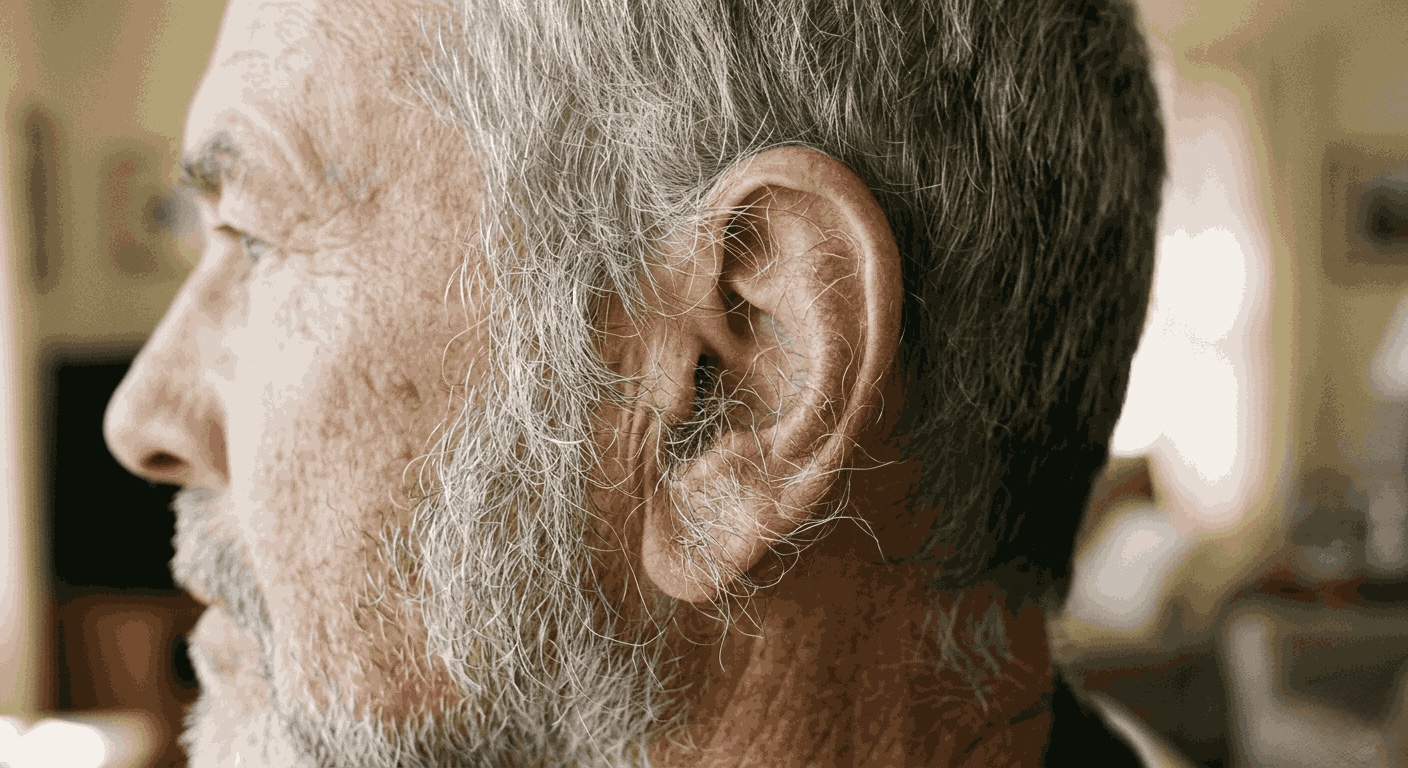
Have you ever noticed hair appearing on your ears as you get older? For many, it shows up unexpectedly sometime in their fifties or sixties, often sparking concern.
It’s not a warning sign as some might think… Others laugh it off, try to hide it, or feel quietly self-conscious about the change.
In reality, there’s nothing alarming about it. Ear hair growth is simply part of the body’s natural aging process, not a signal of illness or something going wrong.
As the years pass, the body doesn’t age in a uniform way. While hair on the scalp may become thinner, other areas—like the ears, nose, or eyebrows—can experience increased growth.
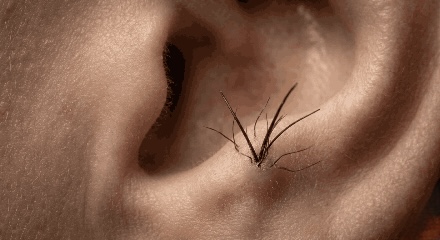
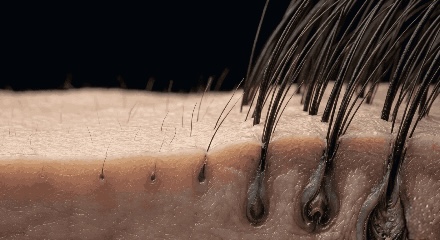
This might sound confusing, but don’t you worry because it is quite normal. Hair follicles react differently depending on their location and how they respond to hormones over time.
Hormones such as testosterone and dihydrotestosterone (DHT) play a major role. These androgens can stimulate hair growth in certain areas, especially as the body’s hormonal balance shifts with age.
Men are generally more likely to develop noticeable ear hair, largely due to higher levels of androgens. However, women are not excluded from this change.
After menopause, when estrogen levels decline, women may also begin to notice increased hair growth in places they hadn’t before.
Genetics are another key factor. They influence how thick your hair grows, where it appears, and how visible it becomes over time.
There are plenty of misconceptions surrounding ear hair. Some believe it’s linked to poor circulation or underlying disease, but these claims aren’t supported by science.
Another common myth is that trimming hair makes it grow back thicker. In truth, trimming only affects the tip of the hair, making it appear coarser—not actually changing its growth.
Ear hair does serve a purpose. It helps trap dust, debris, and even tiny insects, acting as a natural protective barrier for the ear canal.
Even if it becomes more noticeable with age, it’s simply the body continuing to do what it has always done—just more visibly.
Grooming is entirely a personal choice. If you prefer to remove it, it’s best to do so carefully using safe tools like small trimmers or rounded scissors.
It’s important to avoid unsafe methods, such as pulling hair from deep inside the ear or using sharp objects that could cause injury.
Ultimately, ear hair is not something to be ashamed of. It’s a small, visible reminder of the body’s journey through time.
Instead of viewing it as a flaw, it can be seen as part of the natural process of aging—something every human body experiences in its own way.
So if you notice hair growing on your ears, there’s no need for concern. It doesn’t indicate disease, imbalance, or decline.
It simply reflects the passage of time and the subtle ways your body adapts over the years.
There’s nothing to hide, nothing to fix—just a normal change that comes with living longer.