
What Happens To Your Body When You Eat Walnuts Regularly


If walnuts only make an appearance in your diet every now and then — maybe tossed into a salad or baked into banana bread — you might want to start eating them more regularly. Nutrition researchers continue to highlight walnuts as one of the healthiest foods people can add to their meals, thanks to their impressive combination of nutrients and heart-friendly fats.
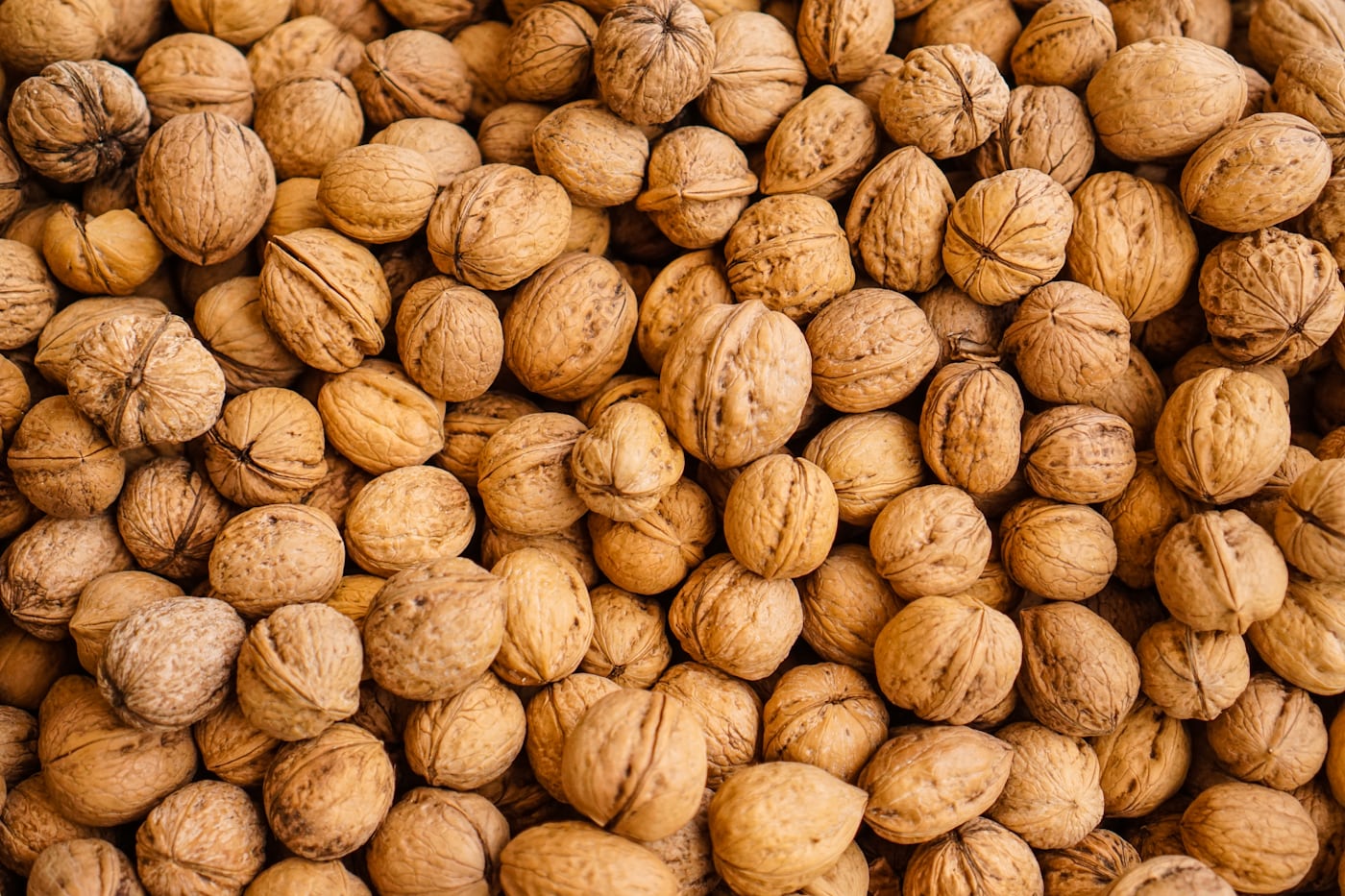
Walnuts
Walnuts have long been a staple of the Mediterranean diet, a style of eating often linked to better heart health and overall wellness. One of the most influential studies examining this way of eating was the “Prevencion con Dieta Mediterranea” (PREDIMED) study, funded by the Spanish Ministry of Health. Researchers found that participants following a Mediterranean diet enriched with either olive oil or a daily serving of mixed nuts — with walnuts making up half of that portion — experienced more health benefits than those following a low-fat diet.
The study connected the Mediterranean-style eating plan to improvements in body weight, blood pressure, insulin resistance, cholesterol levels, lipid oxidation, and inflammation throughout the body.
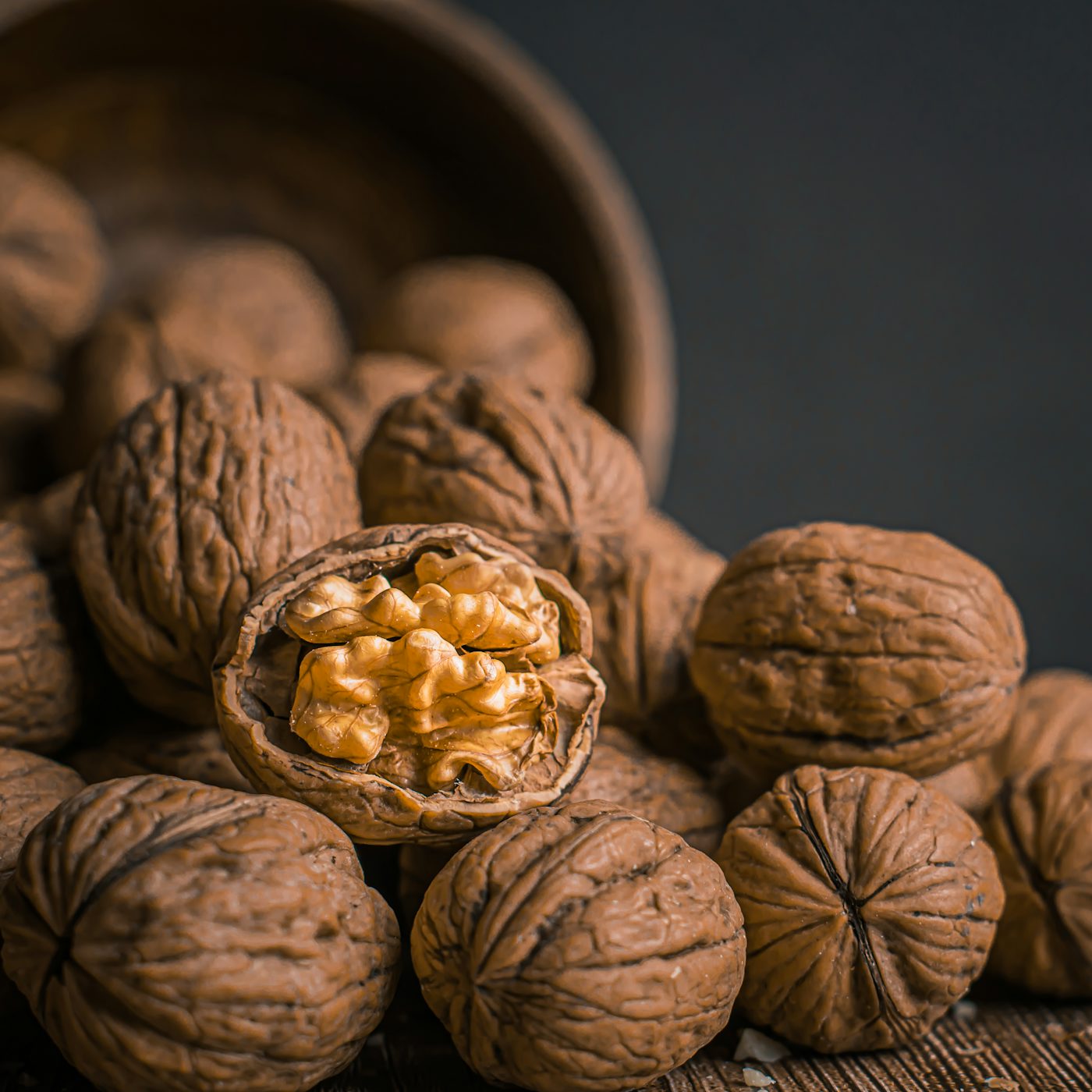
Best foods to cure a hangover
To better understand why walnuts appear to have such powerful effects, we looked at insights shared by Emilio Ros, one of the lead researchers involved in the PREDIMED study.
What’s the key ingredient in walnuts that makes them so beneficial?
“As [fellow member of the study] Dr. David Jacobs says, the healthy ingredient of walnuts is walnuts,” says Dr. Ros. “Walnuts contain many bioactive molecules with the potential to beneficially [affect] health outcomes, namely unsaturated fatty acids (with an abundance of linoleic and alpha-linolenic — the vegetable omega-3 fatty acid), fibre, high-quality protein, lots of polyphenols, vitamin E, plant sterols, folic acid, melatonin, calcium, potassium and magnesium.”
According to Dr. Ros, the real strength of walnuts likely comes from how all of these nutrients work together. This natural combination may help support healthy cholesterol levels, lower blood pressure, improve insulin function, and reduce the body’s tendency to store excess fat. Researchers involved in the study believe this nutritional synergy plays a major role in the overall health improvements seen in participants.

What makes walnuts stand apart from other nuts, then?
“There are three main ingredients that are more abundant in walnuts compared to other nuts: linoleic acid, alpha-linoleic acid and total polyphenols,” says Dr. Ros.
Those nutrients are especially important because they are linked to heart health, inflammation control, and antioxidant protection. Walnuts also contain plant-based omega-3 fatty acids, something many other nuts provide in much smaller amounts.
Do the health properties differ if the walnuts are raw or cooked?
“Cooking the nuts may destroy the outer pellicle (the skin), which contains most of the antioxidants. Otherwise, the nutrients, vitamins and minerals are not affected. The loss of antioxidants in cooked walnuts is why we recommend consuming them raw,” he says.
That thin outer layer on walnuts contains a large concentration of beneficial antioxidants, which is why many experts suggest eating them raw whenever possible to get the greatest nutritional value.
What were the major differences in benefits between the low-fat diet and the two Mediterranean diets?
“In PREDIMED, we gave advice on a low-fat diet, but participants only reduced total fat intake by 2 per cent, as they continued using olive oil (usually the common variety) in the kitchen and at the table,” says Dr. Ros, noting that the study’s participants were older and thus had deep-rooted dietary habits.
“The major difference among the three PREDIMED diets was in the consumption of the supplemental foods provided — virgin olive oil and mixed nuts in the two Mediterranean diet arms, none in the low-fat diet arm, which can be considered a control diet group, as they mostly followed their usual background diet,” he explains. “All PREDIMED results to date favour the two Mediterranean diet groups over the control group for all health outcomes assessed.”
In other words, participants who consistently included healthy fats like olive oil and nuts in their diets appeared to experience better overall health outcomes than those simply attempting to cut fat intake.
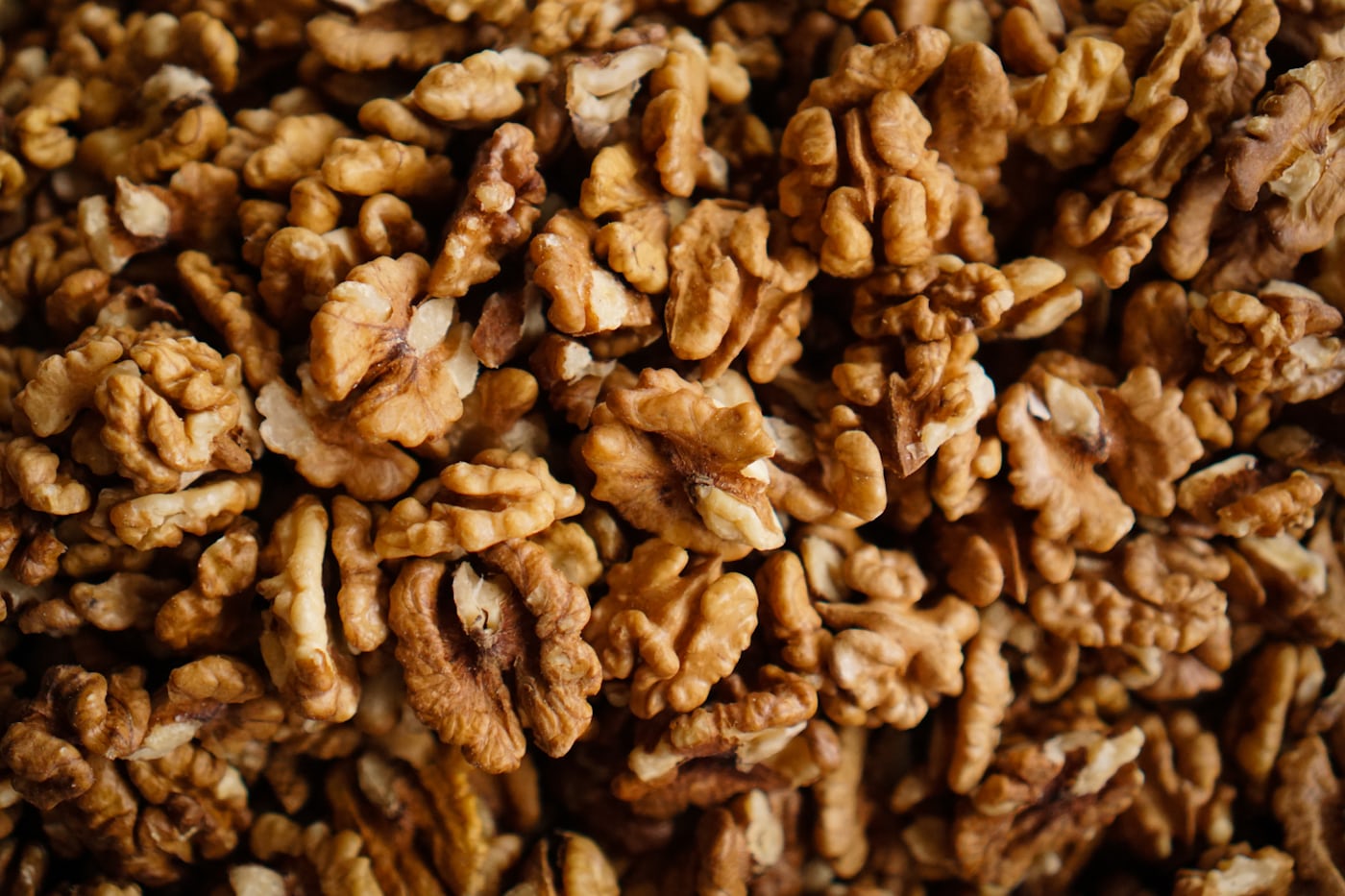
So how often and how much would you recommend the average person eat daily?
“At least one daily serving (30 grams), better one and a half daily servings (45 grams),” says Dr. Ros. “Or more realistically, a handful per day or at least three or four times per week.”
For most people, adding a small handful of walnuts to yogurt, oatmeal, salads, or snacks throughout the week could be a simple way to support better heart health and overall wellness.