
Relieve Heel Pain Fast with 7 Powerful Exercises

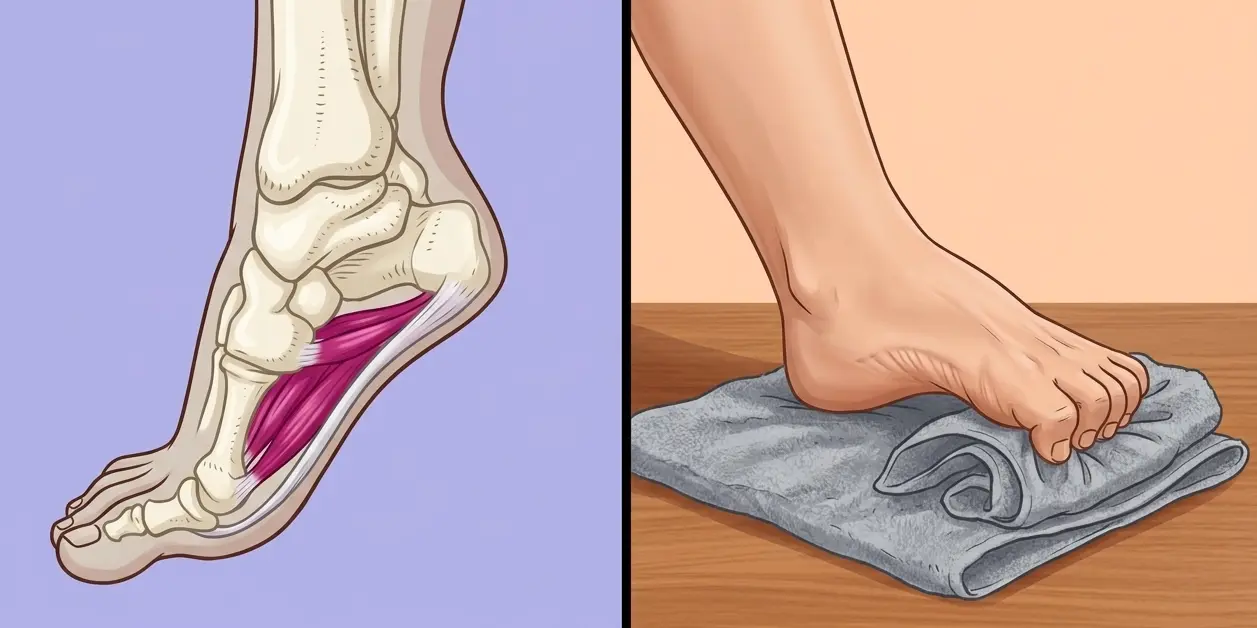
Heel pain is often the first thing people notice in the morning, especially when stepping out of bed. That sharp, sudden discomfort can turn a normal step into something you hesitate about.
For many, this is linked to plantar fasciitis, a condition caused by irritation or small tears in the plantar fascia, the strong tissue that supports the arch of the foot.
If you are dealing with heel pain, the good news is that recovery does not always require medical procedures. In many cases, the body responds well to consistent movement.
Research in physical therapy shows that stretching and strengthening routines can significantly reduce heel pain and help restore normal function over time.
There is also evidence suggesting that simple stretching alone can improve symptoms in a large number of people within just a few weeks.
When you combine stretching with strengthening, results tend to be even better. The foot becomes more supported, and the pressure placed on the plantar fascia begins to ease.
Heel pain can slowly change your daily routine without you noticing. You may walk differently, avoid certain shoes, or limit your movement.
That is why having a clear plan matters. Below are seven effective exercises that are widely used to reduce heel pain and manage plantar fasciitis naturally.
1. Seated Plantar Fascia Stretch
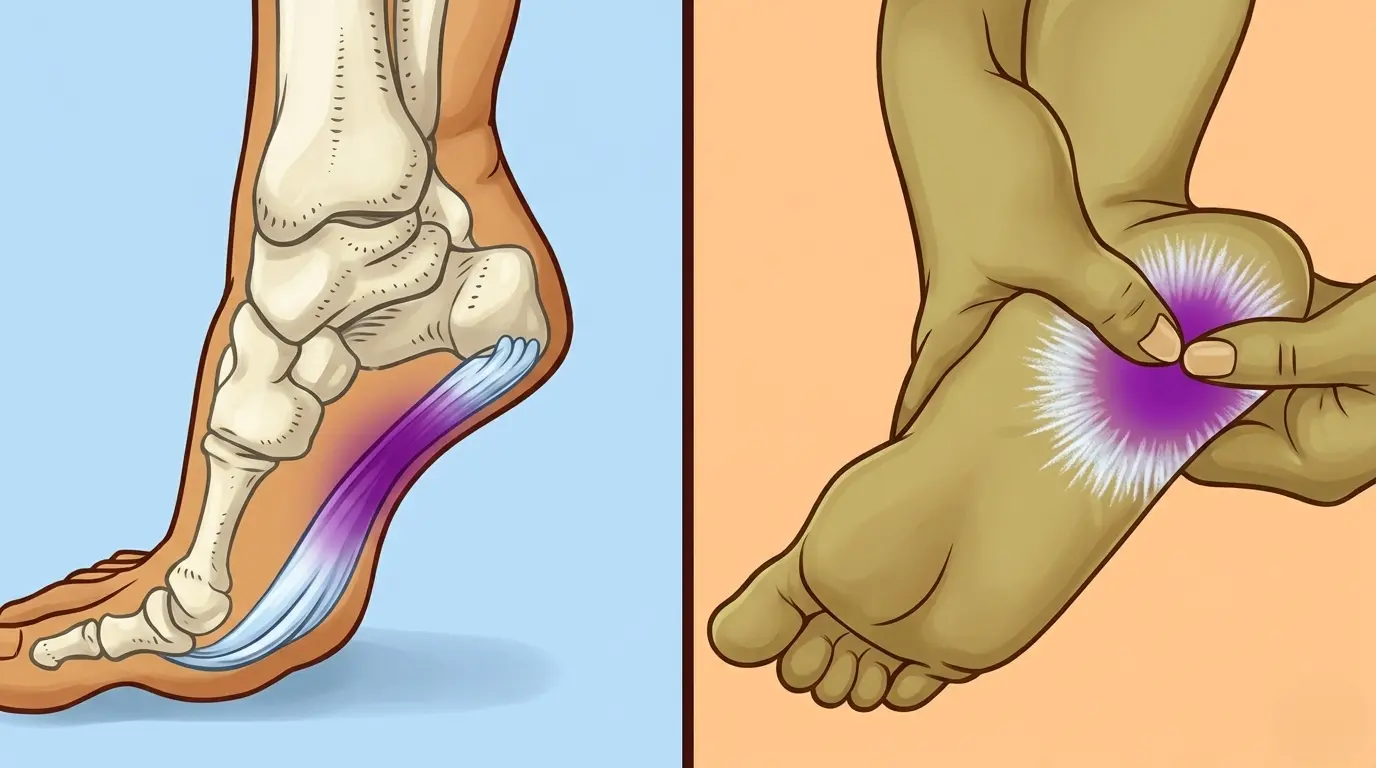
This is often considered the most targeted exercise for heel pain. It focuses directly on the tissue where discomfort begins, making it especially useful for ongoing symptoms. Many clinicians recommend it as a starting point because of how precise it is.
To do it, sit down and place one leg over the other. Hold your toes and gently pull them toward your shin. You should feel a stretch along the bottom of your foot. Hold for 20 to 30 seconds. Doing this before standing up in the morning can reduce that sharp first-step heel pain.
2. Wall-Supported Calf Stretch
Tight calf muscles are a common hidden cause of heel pain. When they are tense, they pull on the Achilles tendon, which increases stress on the heel. This stretch helps release that tension and reduce pressure.
Stand facing a wall and place your hands against it at eye level. Step one leg back and keep it straight while leaning forward. Hold the stretch for 30 seconds. This simple movement can noticeably reduce heel pain over time.
3. Towel Curls
This exercise may look basic, but it plays an important role in strengthening the small muscles inside the foot. These muscles help support the arch and reduce strain on the plantar fascia.
Sit down and place a towel on the floor. Use your toes to pull the towel toward you, then push it back out. Repeat several times. Strengthening these muscles helps create better support and reduces recurring heel pain.
4. Controlled Heel Raises
Building strength is key if you want long term relief from heel pain. Heel raises work both the calf and the arch, helping your body handle weight more efficiently.
Stand with your feet shoulder width apart. Slowly lift yourself onto your toes, hold for a moment, then lower back down. Aim for two to three sets of ten to fifteen repetitions. Over time, this reduces the stress placed directly on the heel.
5. Marble Pickups
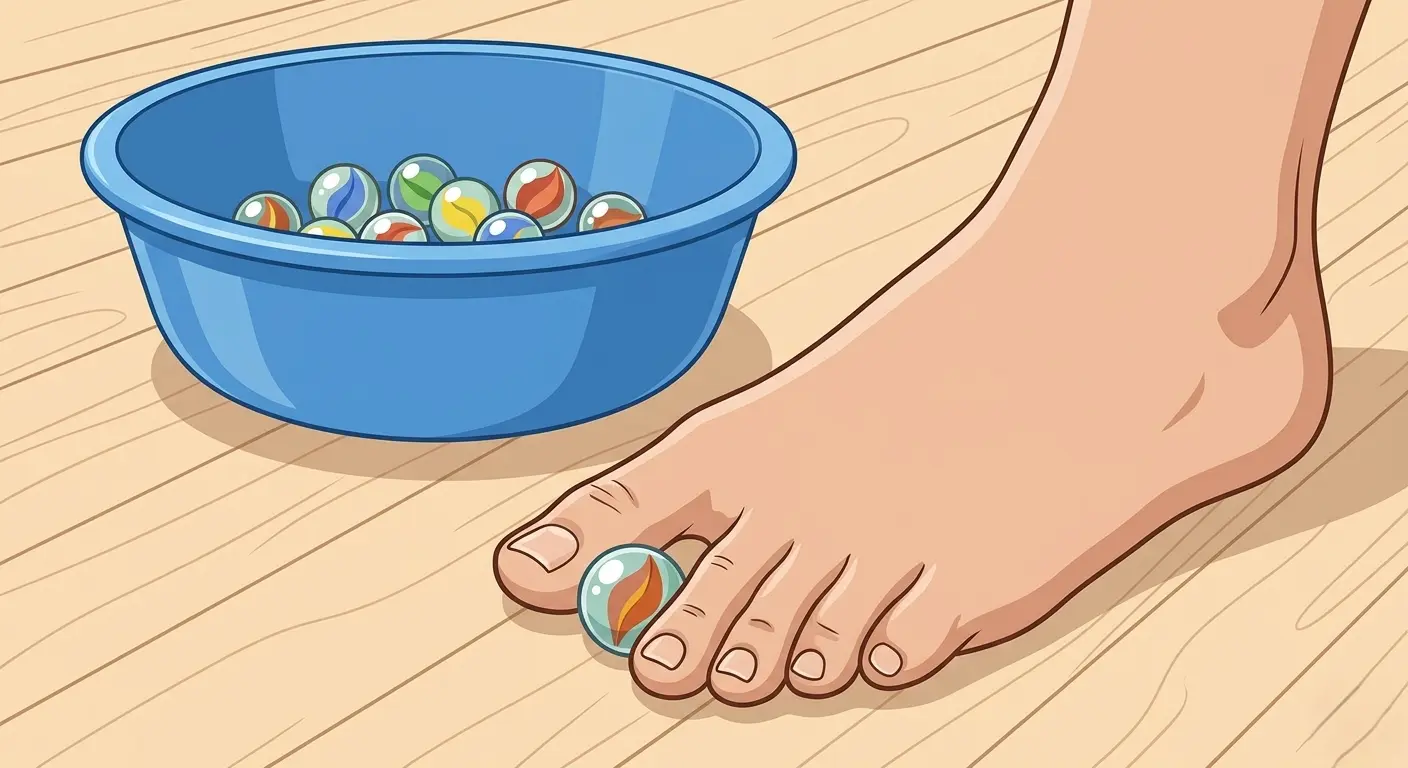
Foot coordination is often overlooked, but it matters. This exercise encourages active movement and strengthens the foot core, which helps balance muscle use.
Place small objects like marbles on the floor. Use your toes to pick them up and place them into a container. This improves control and helps reduce muscle imbalances linked to heel pain.
6. Rolling Massage
Although it is not a traditional exercise, this method plays an important role in relieving heel pain. It helps loosen tight tissue and improve circulation in the foot.
Sit down and place a tennis ball or a frozen water bottle under your foot. Roll it slowly from heel to toes. This can provide quick relief and make stretching exercises more effective afterward.
7. Short Foot Exercise
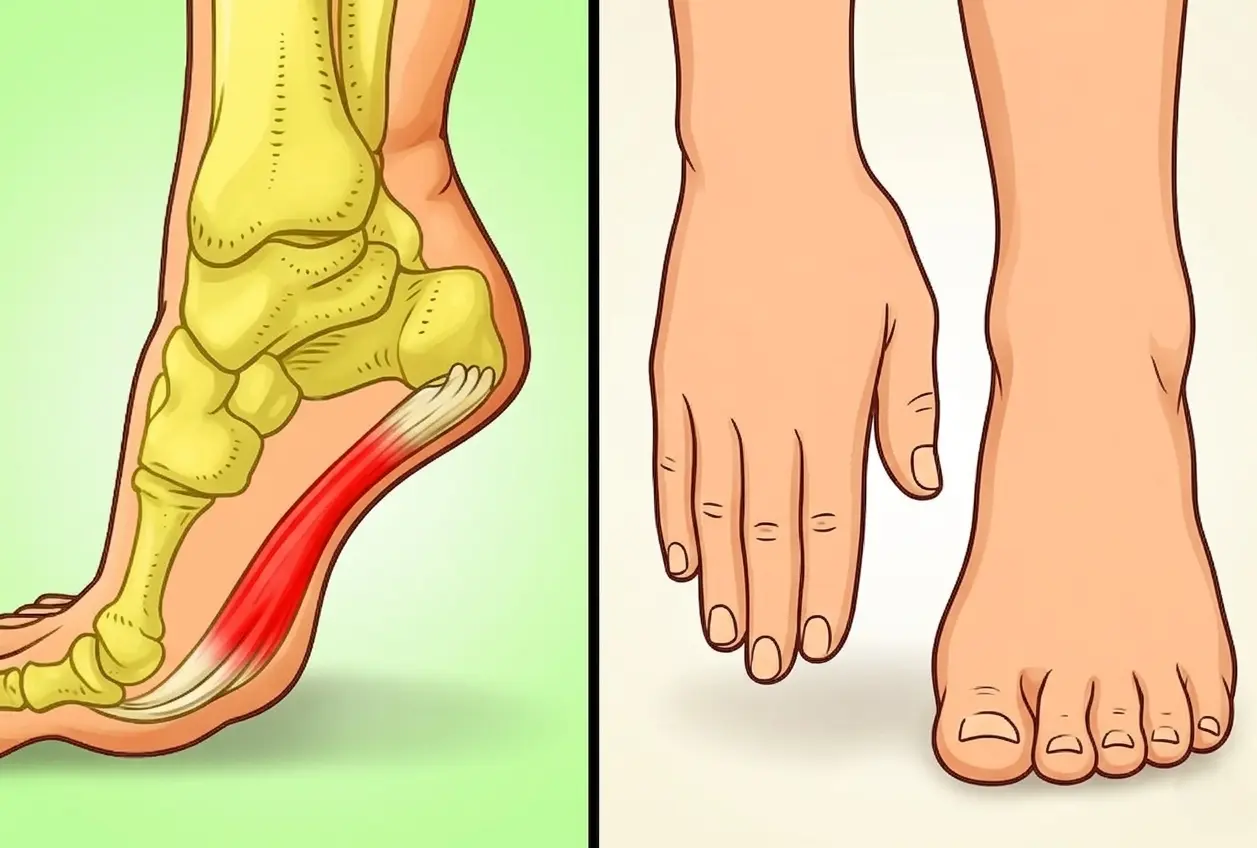
This exercise strengthens the deep muscles that support your arch. It may seem small, but it has a strong impact on foot stability and can help prevent heel pain from returning.
Place your foot flat on the ground. Gently pull the ball of your foot toward your heel without curling your toes. Hold for a few seconds, then relax. With practice, this improves arch support and reduces strain.
Understanding why these exercises work makes it easier to stay consistent. Heel pain is not only about inflammation. In many cases, it develops from repeated stress and poor support over time.
The plantar fascia acts like a support cable for your foot. When surrounding muscles are weak or tight, it carries too much load. That is when heel pain starts to appear and gradually becomes more noticeable.
Stretching helps reduce tension in tight muscles, especially in the calves and the bottom of the foot. It allows the tissue to relax and lowers the strain placed on the heel during movement.
Strengthening, on the other hand, builds protection. When your muscles are stronger, they distribute weight more evenly. This reduces pressure on sensitive areas and helps prevent heel pain from coming back.
Recovery from heel pain does not happen overnight, but it follows a predictable path. Most structured programs show noticeable improvement within four to eight weeks when done consistently.
Stretching two to three times a day can help reduce that sharp morning discomfort. It prepares the foot for movement and lowers the risk of irritation when you first start walking.
Strength exercises should be done once or twice a day, depending on your comfort level. Start slowly and increase intensity over time. The goal is to build strength without causing additional irritation.
Heel pain can be frustrating, especially when it starts to affect simple activities like walking or standing. Quick fixes may offer temporary relief, but they rarely solve the underlying issue.
By focusing on these seven exercises, you are not just easing the symptoms. You are addressing the root cause. With consistency and patience, your feet can regain strength and function, allowing you to move comfortably again.