
Surviving the unthinkable: Keith Edmonds’ fight for life

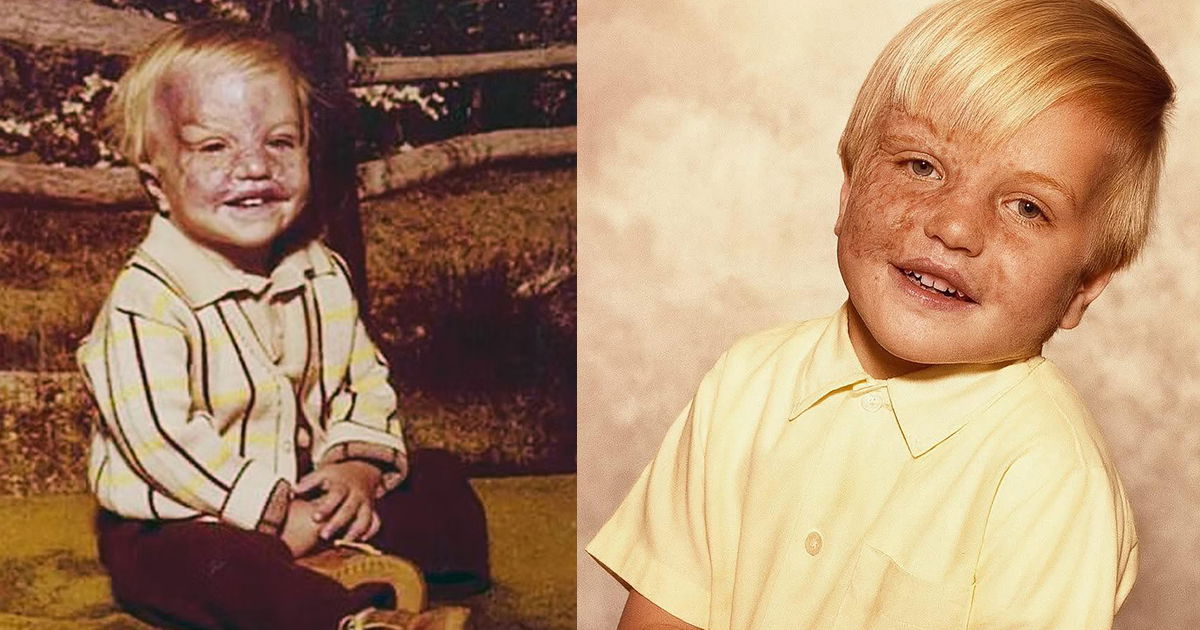
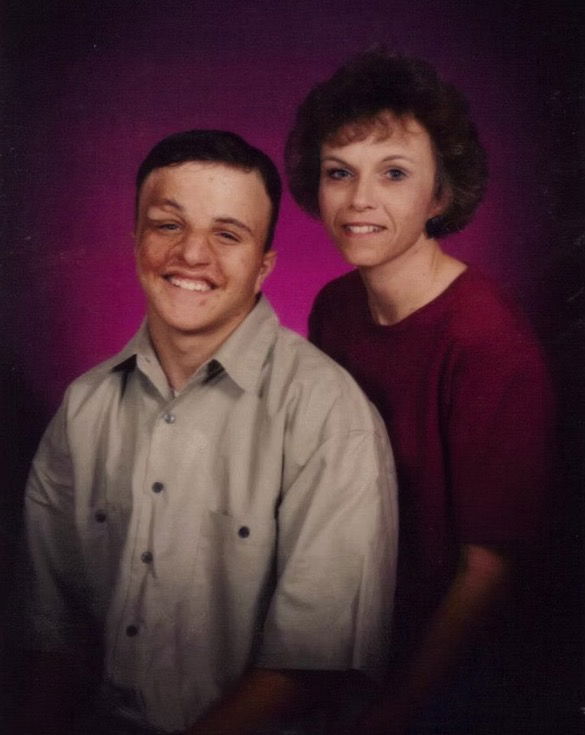
Keith Edmonds’ life nearly ended before it truly began. At just 14 months old, he suffered a horrific act of abuse that left half his face severely burned after being held against an electric heater. Doctors were uncertain he would survive the night. Against overwhelming odds, he did — but survival was only the beginning of a long and painful road.
The attack happened on November 18, 1978, in Flint. Enraged by the toddler’s crying, his mother’s boyfriend pressed Keith’s face to a heater, causing devastating third-degree burns. Keith spent weeks fighting for his life.
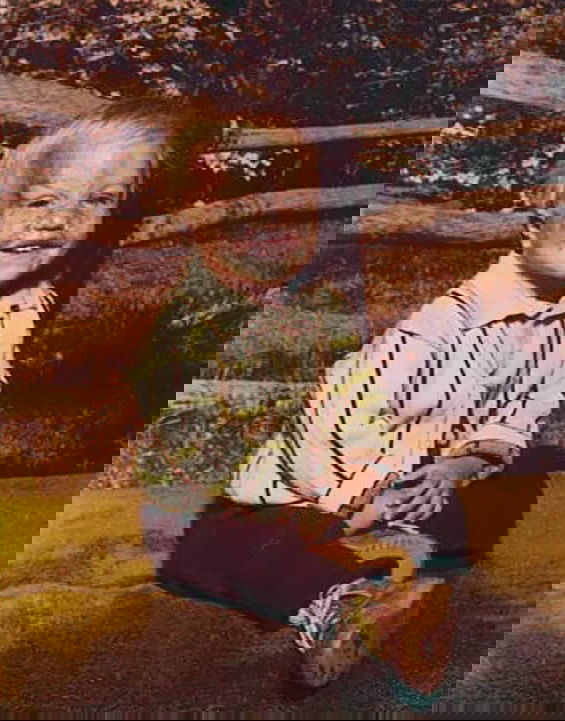
“I spent a month in the hospital, with no one knowing if I was going to live or die,” Keith said.
He later underwent years of intensive treatment at the Shriners Burn Institute, remaining in care until he turned 18. During that time, he entered foster care and became a ward of the state. Eventually, he was reunited with his mother after she was cleared of wrongdoing. The man responsible for the attack received a 10-year prison sentence — a punishment Keith struggled to accept for many years.
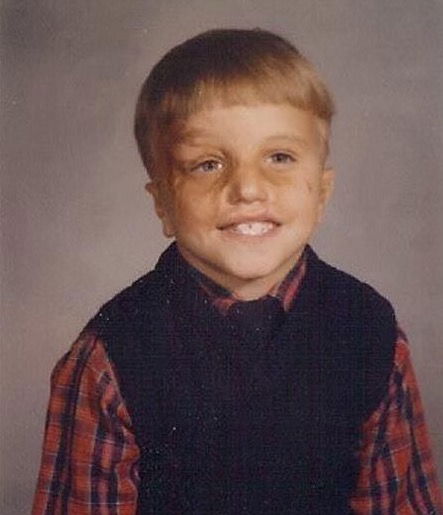
”When I was a younger child and into my teenage years, I absolutely did not believe 10 years was enough. More so to the fact that in my later teen years I was looking for him….I was willing to meet him face to face and get revenge. (Never found him) Into my 20’s and early 30’s I still believed I was let down by the courts,” Keith shares with Newsner.
Haunted by trauma, isolation, and bullying, Keith began drinking at just 13 years old. Alcohol became a coping mechanism that spiraled into decades of addiction, depression, and repeated trouble with the law. His twenties were marked by instability and emotional turmoil.
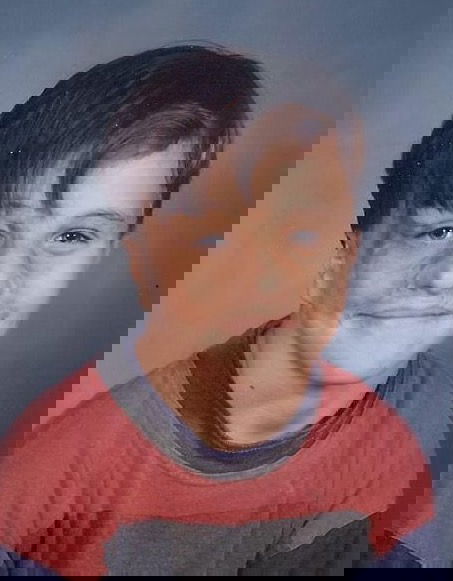
Everything shifted on July 9, 2012 — his 35th birthday. In the middle of another drinking binge, he experienced what he describes as a profound internal awakening.
“I wanted to become a better person,” he says.
That decision marked the beginning of a complete transformation.
Rebuilding a Life With Purpose
After getting sober, Keith rebuilt his career and reputation from the ground up. He found success in corporate sales roles with major companies including Dell and The Coca-Cola Company, earning top performance awards. At Coca-Cola, he was assigned one of the most challenging inner-city sales routes in Detroit — a responsibility that reflected both his resilience and his ability to build trust in difficult environments.
But professional success was only part of his mission.
In 2016, he launched the Keith Edmonds Foundation, dedicated to supporting abused and neglected children. Through initiatives such as Backpacks of Love — which provides foster children with essential supplies during their transition into care — and Camp Confidence, a mentorship-focused summer program for young survivors, Keith aims to provide stability and empowerment where it is needed most.
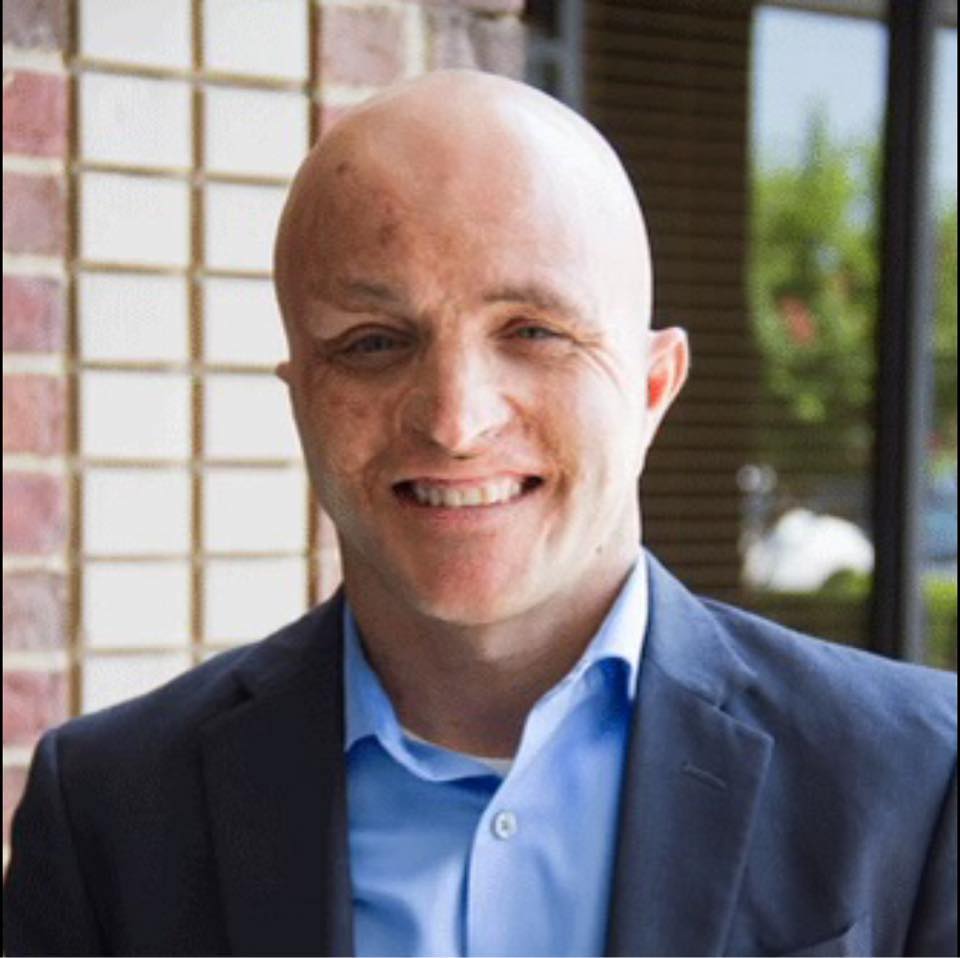
“There was a moment when an adult survivor was talking about vision boards and 10 things to make life better and talked about role models,” Keith recalls. “A little girl asked if he could be her role model. There was such a great connection there. I was so overcome, I had to leave the room.”
For Keith, temporary support is not enough.
“We can’t just come into their lives for the camp and then just leave,” he says. “We walk alongside them to assist them in whatever they need.”
Scars That Build Trust
Keith’s visible scars have become a bridge rather than a barrier. His authenticity resonates deeply with young people facing trauma.
Rick Miller, principal of MAP Academy for at-risk students in Lebanon, Tennessee, explains that students immediately connect with him because his story is undeniable and visible. His credibility comes not from theory, but lived experience.
One teenage girl, previously withdrawn and struggling, experienced a dramatic shift after forming a connection with Keith and his wife, Kelly. According to Miller, her transformation was remarkable — her confidence returned, and her outlook brightened.
“There are people who wear their scars all on the inside and you pass them every day,” Keith says. “I just happen to wear my scars on the inside and the outside.”
From Anger to Forgiveness
Keith’s journey from victim to survivor required confronting the deepest layers of anger and pain. Sobriety forced him to process emotions he had long buried — including rage toward the man who attacked him.
“At 35, when I got sober and worked on myself, my pain, my anger, my hurt, I again found this thing called forgiveness. Forgiveness is a powerful tool. It does not excuse the person’s actions, and you do not forget the wrong they have done, but it truly does give you a better perspective on life.”
He knows where his attacker lives today.
“As of today, I know what town the guy lives in — it’s honestly not that far away from where I live. Have I met him? No. Would it be met with anger? Probably not.”
In his book Scars: Leaving Pain in the Past, Keith also reflects on his evolving relationship with his mother.
”There were some turbelant years when I was in my teenage years and even when I was in the 20’s and 30’s but she has always been there. Forgiveness is a powerful tool to have in this thing called life,”
A Life That Redefines Survival
Keith Edmonds’ life is no longer defined by the violence of November 1978. It is defined by what he built afterward. Through public speaking, mentorship, and his foundation’s ongoing work, he has reframed his scars as instruments of impact.
“I spent my whole life trying to transition myself from a victim to a survivor,” Keith says. “I quit drinking for every child that has been affected by child abuse. I know that I have been blessed to be able to make the transition, and it is my job to help empower and assist others in their journeys. And try my best to shorten their transition.”
His story stands as tangible proof that trauma does not have to dictate destiny. For children who feel broken, Keith’s life demonstrates that even the deepest wounds can be transformed into purpose.