TikTok is actively removing & censoring the juice box emoji

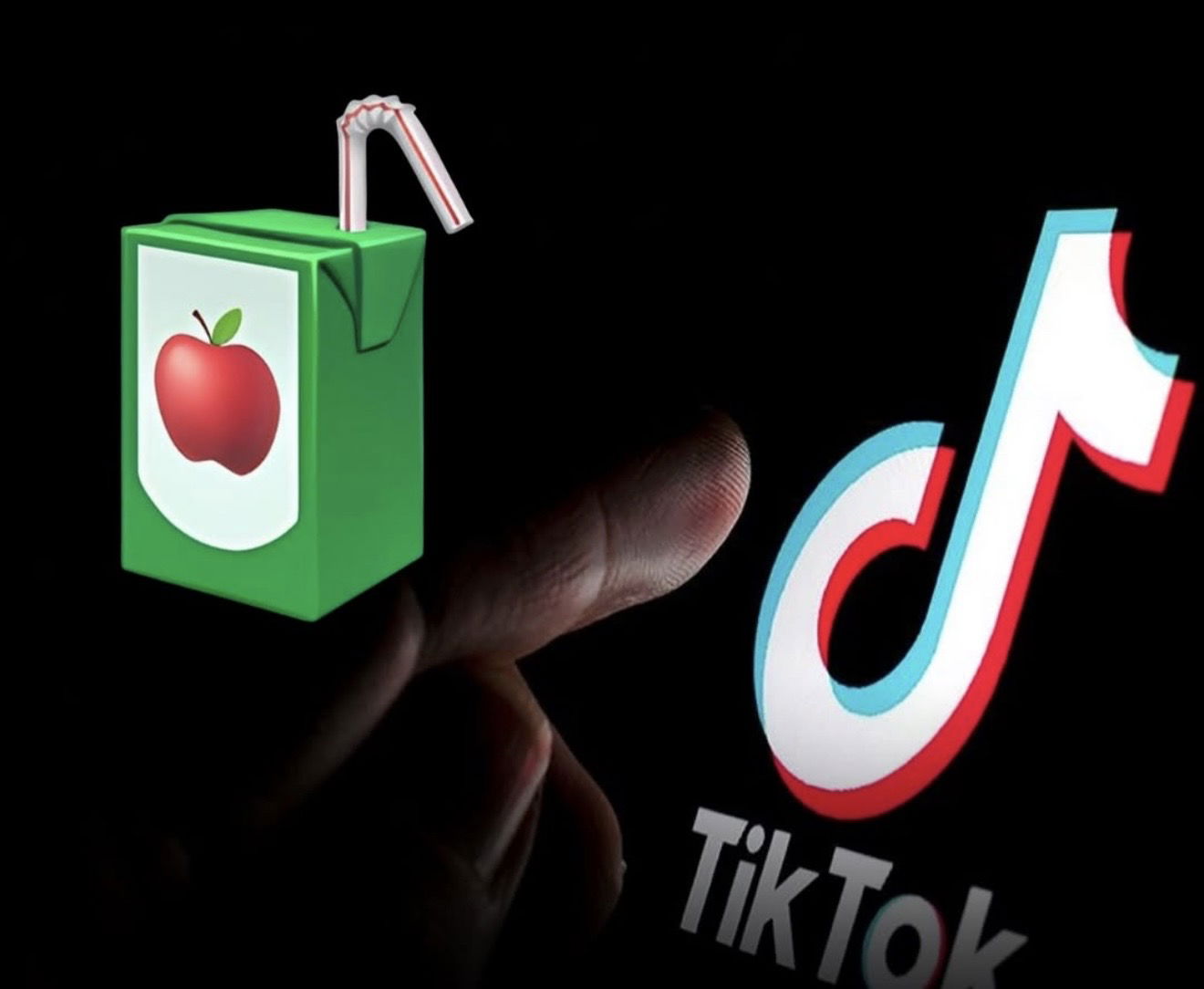
TikTok has reportedly begun removing comments containing the juice box emoji 🧃, and users across the platform say their posts are being flagged for violating policies related to “alcohol, tobacco, and drugs.” The sudden moderation move has stirred widespread confusion, especially since the emoji itself is typically associated with children, snacks, or casual online slang — not restricted substances.
According to user reports circulating across TikTok, comments featuring the emoji are being automatically deleted, while some creators claim that even captions and replies containing the symbol trigger warnings or takedowns. This has led many to question why the emoji is being filtered at all, and whether TikTok’s algorithm is targeting the icon due to coded meanings in certain online communities.
The decision arrives at a particularly sensitive moment, coinciding with the platform’s shift in U.S. ownership, which some users say is now tied to Jew!sh and pro-!srael investors. Although there is no official confirmation linking the emoji ban to political motives, the timing has fueled heated discussion, with many questioning whether increased content control is connected to new financial leadership or foreign policy sensitivities.
On social platforms like X and Instagram, the debate has intensified. Some users claim the juice box emoji has been used in contexts referring to illegal substances, prompting stricter moderation from TikTok’s automated system. Others view the ban as excessive, unnecessary, and potentially reflective of a widening trend in digital speech suppression.
So far, TikTok has not issued a public explanation, leaving millions of users speculating over whether the 🧃 emoji is genuinely tied to safety guidelines — or if this is yet another example of opaque censorship practices within the app.
For now, one thing is clear:
A simple emoji has become the center of a much larger conversation about online speech, algorithmic control, and who gets to decide what is acceptable on the world’s biggest platforms.