

Tinder social experiment reveals how looks can change responses from women. That is what happened when a guy calling himself Germanlifter set up a fake profile using images of a male model to see how women would react on the dating app. The results were surprising to many people and sparked a lively discussion about how physical appearance affects interactions online.
This experiment was not just another story about online dating. It revealed real patterns showing that an attractive photo can lead to very different conversations, even if the words sent in messages are rude or unfiltered. For anyone using Tinder, it raises questions about how much appearance shapes the early part of every chat.
The man behind this experiment created a Tinder profile using photos of a male model who looked very attractive and fit.

He said he wanted to test how women would respond to initial messages that ranged from polite to downright crude. The profile did not belong to him, and he used images that were clearly flattering and professional-looking.
Right from the beginning, the results were clear. Every single woman he swiped right on matched with him. He reported that there were no cases where a match did not happen. On a platform like Tinder, where matching is based on mutual interest, that alone was an interesting side of the experiment. It showed that simply having a visually appealing photo can increase the chances that a woman will match with someone even before any text is seen.

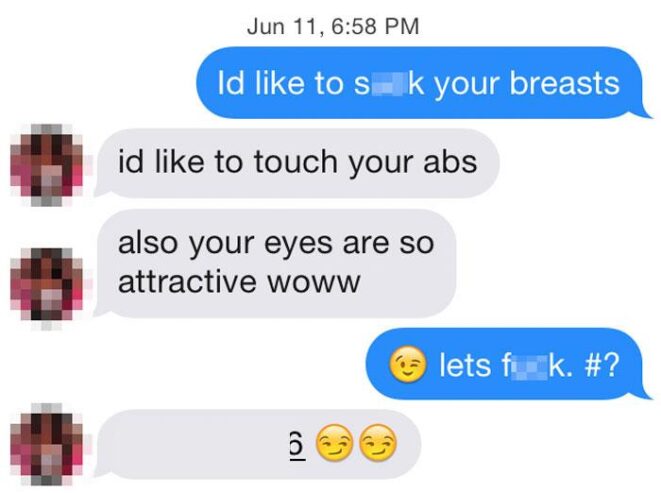
Once the matches started coming in, he began sending messages. Some of these messages were friendly and simple, like asking how someone’s day was going. Others were extremely forward and crude, including sexually explicit statements. In many cases, even after a very explicit or rude open message, the woman would respond or continue the chat.
This part of the experiment was the most surprising to many people on social media. The fact that women would respond positively even after receiving a message that most people would consider inappropriate raised questions about how much power physical attraction holds in early interactions. There was a sense among some observers that the outcome was disturbing because it suggested that even disrespectful communication can get a second chance when the sender is perceived as attractive.

On Tinder, physical appearance is the first thing a user sees, so it naturally has a strong influence on decisions to match or start a conversation. But it seems that in some cases, looks can also soften reactions to the actual words used. That does not mean good manners or respectful communication are not important. It simply shows that people behave differently when they believe the person on the other side of the screen is very attractive.
Some critics pointed out that this experiment did not look at how many women were not interested or did not engage at all. It focused only on the cases where a match happened and a conversation started. If the goal was to show reactions to rude messages, knowing the silent or negative responses might give a more complete picture. But the anecdotal evidence still raised a lot of discussion.
One of the key elements that made this experiment go viral was the variety of responses the model profile received. When a message begins with simple greetings like “Hey how are you?” many people would expect neutral or polite replies. On Tinder, those kinds of openers are common and not unusual. But what came after was what got people talking.
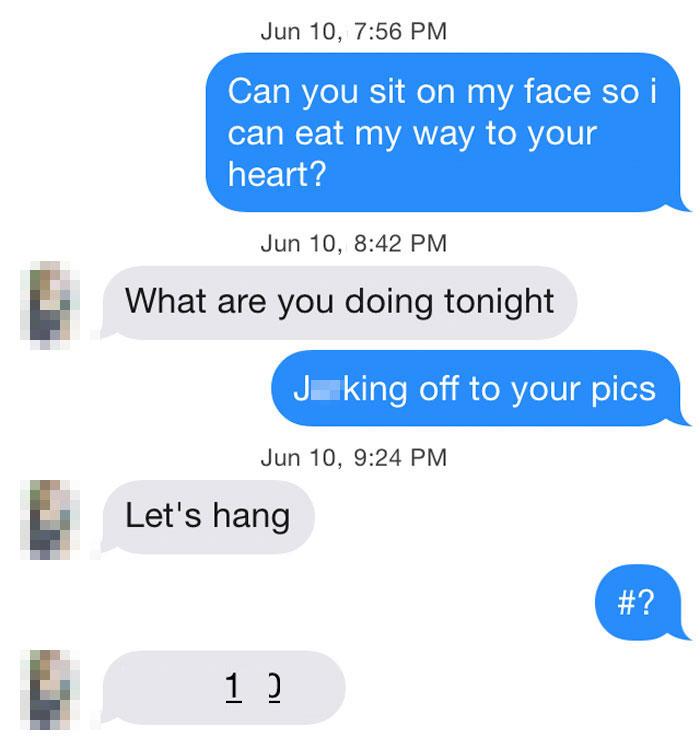
In some exchanges, the sender would go straight to sexually explicit suggestions. For example, a direct message that could be translated as “Let’s get together and have sex” was used as an opener. In many cases, women still replied to these messages. Some of them responded with humor, others gave location details, and a few asked follow-up questions. For many observers, this was both shocking and a clear indication that attractiveness changes the dynamic.
There were also messages where the sender used crude language or implied intentions that most social etiquette would call inappropriate. Yet the positive responses continued. Some women even initiated contact first, making the first move in the conversation before the sender wrote anything. This was surprising to many who follow online dating trends, because studies and surveys often show that men are more likely to send the first message on apps like Tinder.

Discussion on social media and comment sections brought up different opinions on why this happened. One common explanation was that the initial visual impression created a strong attraction that overshadowed the content of the first message. On Tinder, where people are judging based on photos and short bios, that is part of how the platform is designed.

Another perspective was that the experiment showed some aspects of dating culture that are often talked about privately. Some people said that on a hookup-focused app like Tinder, many users are already looking for physical encounters, and an attractive profile makes those intentions more acceptable or at least easier to explore in text. That might explain why explicit messages did not turn away every woman.
Critics also pointed out that the women who matched the profile and engaged in conversations are not representative of all women on the platform. Some women may not have opened messages at all if the initial text was rude, and this experiment did not include that data formally. So while the results were interesting, they are not a definitive conclusion about how all interactions happen on Tinder.

Research into communication on mobile dating platforms has shown certain patterns in how people behave online. For example, large-scale analysis of messages between users on platforms like Tinder reveals that men initiate the majority of conversations and that message length and response rates differ between genders. Women tend to be more selective and cautious in their interactions.
Another academic study examining how consent is communicated in online environments found that digital dating shapes expectations differently than face-to-face interactions. Issues like how intent is signaled and inferred play a big role in how conversations develop. This context helps explain why some users may respond even to direct or crude messages if they interpret them as a signal of interest.

While these studies do not look specifically at experiments with fake profiles, they do show that behavior on online dating apps is complex and influenced by a mix of social cues, cultural norms, and individual preferences. Tinder is a snapshot of modern dating behaviors and conversations.
Once stories about the experiment spread on social media and websites, many people weighed in. Some women wrote that they found parts of the experiment uncomfortable to read because it seemed to show that women would respond even to disrespectful messages. Others defended the reactions by saying that not all conversations or matches were shown and that people have different boundaries.

Men and women both commented on what they saw as a flaw in the experiment. Some argued that using a model photo is not fair because it sets up a scenario that does not reflect typical profiles. Many people also noted that attractiveness is subjective, and what one person finds hot might not appeal to another. That means the results could vary widely if photos were different or the experiment was longer.
Even commentators who felt neutral about the experiment agreed it sparked useful discussions about online dating culture, expectations, and how much appearance matters in the early stages of a conversation. Tinder is just one example of how digital dating has shifted many social norms and behaviors.

Whether you love the app or find it frustrating, there are some takeaways from this experiment that many users can think about. First, your profile picture matters a lot. On Tinder, the first impression is visual and can determine whether someone swipes right or left. That is part of the design of the app.
Second, how you communicate after matching also shapes interactions. Even though the experiment showed that some people responded to explicit messages, that does not mean rudeness or lack of respect is a good strategy. Many users prefer polite and thoughtful messages. Even if attractiveness gets someone to reply, the quality of conversation matters for building genuine connections.

Finally, it’s important to remember that every user on Tinder has their own preferences and boundaries. What works for one person might not for another. Respect and consent should still be the foundation of any conversation, especially when the platform is used to find meaningful relationships or even casual dates.
The Tinder experiment showed that attractiveness can change the way people interact in online dating. It revealed that some women were willing to continue conversations even after receiving forward or crude messages. While this does not mean that rude behavior is acceptable, it highlights how much initial attraction influences responses.

It also raised questions about how online dating culture handles communication and expectations. Discussions from the online community showed a range of opinions, from shock to criticism of the experiment’s design. In the end, the story gave people a chance to think about their own experiences and what they value when meeting someone new digitally.






If you are using Tinder or any dating app, this test is a reminder that both appearance and respectful communication play important roles in how conversations unfold and how relationships begin.


