
10 Genius Baking Soda Hacks That Can Transform Your Everyday Life

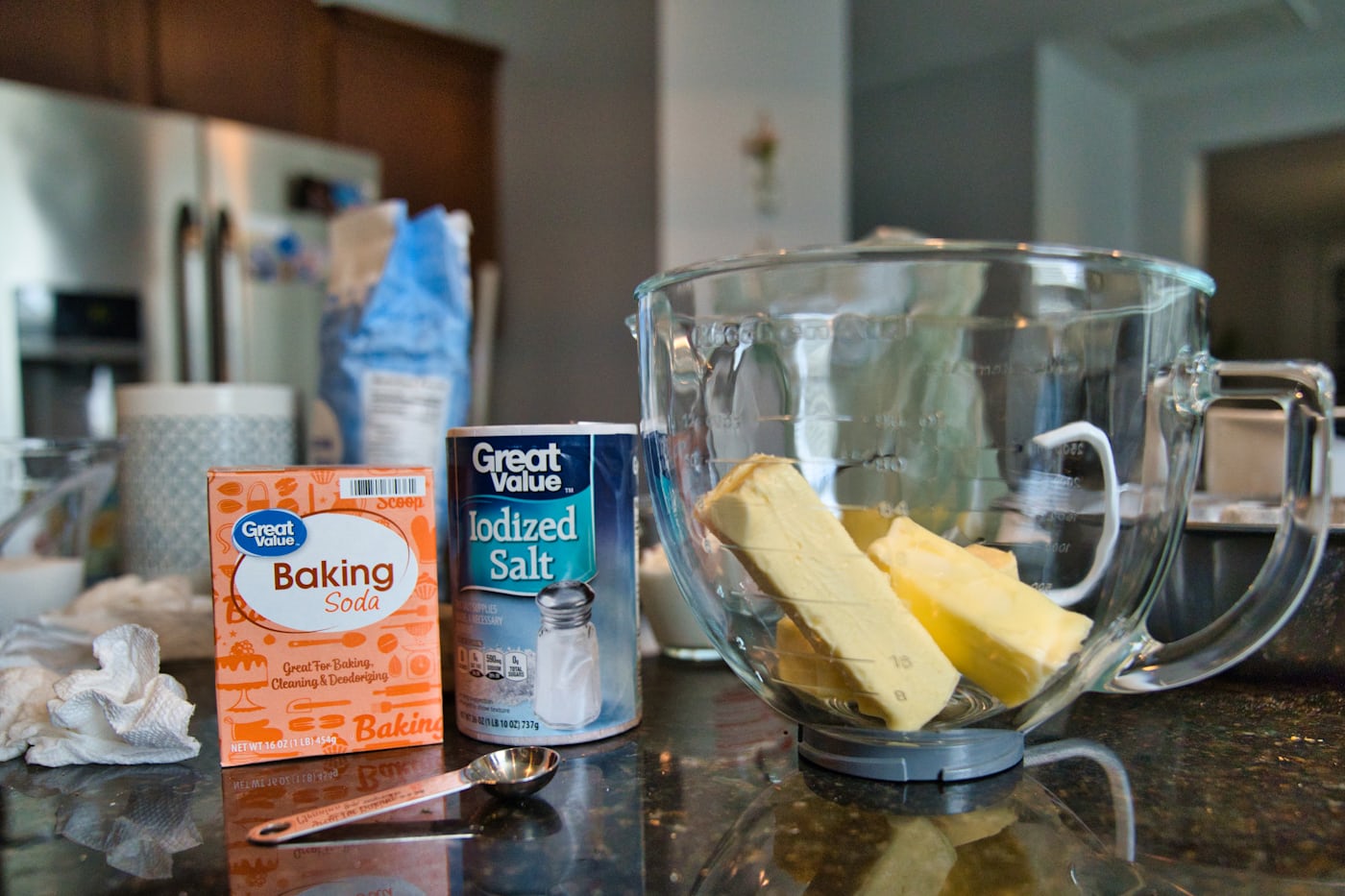
Baking soda has managed to survive every household trend for one simple reason: it actually works. Long before shelves filled up with expensive sprays, specialty cleaners, and heavily scented products, people were already relying on this inexpensive white powder for dozens of everyday problems. It is cheap, easy to find in almost any grocery store, and surprisingly versatile.
But as “natural remedies” exploded online, baking soda also became surrounded by exaggerated claims. Some uses are backed by real chemistry and years of practical results, while others have been stretched far beyond reality. Understanding where baking soda genuinely helps — and where it doesn’t — is what makes the difference.
Here are 10 scientifically supported ways baking soda can be useful, along with a closer look at the myths that often come with it.
1. A Powerful Odor Neutralizer
One of baking soda’s best-known strengths is its ability to remove odors instead of simply covering them up. Most people recognize the classic box sitting in the refrigerator, but few understand why it works so well.
Unlike air fresheners that only mask smells with fragrance, baking soda chemically interacts with odor molecules. Many unpleasant smells are either acidic or alkaline, and sodium bicarbonate can react with both. That reaction helps transform strong odors into more neutral compounds.
That’s why it works so effectively inside refrigerators, shoes, carpets, gym bags, and other enclosed spaces where smells tend to linger.
2. Why Some People Use It as Natural Deodorant
Because it helps control odor-causing bacteria, baking soda is often added to homemade deodorants. For some people, it works surprisingly well in small amounts.
Still, “natural” does not automatically mean gentle for everyone.
Human skin naturally has a slightly acidic protective barrier, while baking soda is much more alkaline. Using too much of it directly on the skin can disrupt that balance, sometimes leading to dryness, irritation, redness, or even painful rashes — especially for people with sensitive skin.
That’s why many dermatologists recommend caution and suggest diluting it instead of applying large amounts directly.
3. A Gentle Cleaner for Household Surfaces
Baking soda also works as a mild abrasive, which means it can scrub away grime without being harsh enough to damage many surfaces.
It is strong enough to help remove dried food, soap residue, and buildup from sinks, stovetops, tubs, and tiles, yet gentle enough for materials like stainless steel and porcelain when used properly.
Many people mix it with a little water to create a thick paste for cleaning around the house. It’s a simple alternative to stronger chemical cleaners and avoids the overwhelming fumes some products leave behind.
4. Why It Helps Break Down Grease
Kitchen grease can be stubborn, but baking soda’s alkaline nature makes it useful here too.
Grease contains fatty acids, and baking soda reacts with them in a way that helps loosen oily buildup so it washes away more easily with water.
Some people also add a small amount to laundry because it can help balance the water’s pH level, allowing detergent to work more effectively. It won’t magically erase every stain, especially older oil marks, but it can give regular detergent a helpful boost.
5. Getting Rid of Strong Smells on Your Hands
Anyone who cooks regularly knows how stubborn smells from garlic, onions, or fish can become. Even after multiple hand washes, those odors often stick around.
Rubbing a little baking soda onto damp hands can help neutralize those lingering smells much faster than soap alone. The powder reacts directly with odor-causing compounds, especially sulfur-based ones commonly found in foods like garlic.
6. A Simple Foot Soak That Feels Refreshing
Adding baking soda to warm water has become a popular DIY foot soak for tired or sweaty feet.
Many people use it to soften rough skin, reduce odor, and leave feet feeling cleaner and fresher afterward. While scientific studies on foot soaks themselves are limited, the deodorizing effect of baking soda is well established.
Still, overdoing it may dry out the skin. Anyone prone to eczema or very dry feet should moisturize afterward and avoid soaking too frequently.
7. Helping Calm Minor Skin Irritation
For years, people have used baking soda paste as a home remedy for itchy mosquito bites or mild bee stings.
Mixing the powder with a small amount of water creates a paste that some find soothing when applied to irritated skin. It may help reduce discomfort by calming the surface irritation and neutralizing some of the acidity linked to certain bites or stings.
However, this is only meant for mild irritation. Severe allergic reactions or worsening symptoms always require medical attention.
8. Why It Appears in Many Toothpastes
Baking soda has been used in oral care products for decades. Many toothpastes include it because it can help remove surface stains and reduce plaque buildup.
Its gentle abrasiveness allows it to polish teeth more effectively than some standard formulas. Studies have shown that toothpastes containing baking soda can improve plaque removal compared to some alternatives.
Still, baking soda alone should not replace regular toothpaste because it does not contain fluoride, which is essential for protecting enamel and preventing cavities.
9. A Quick Fix for Heartburn
Because baking soda is alkaline, it can temporarily neutralize excess stomach acid. That’s why some people dissolve a small amount in water to relieve heartburn or indigestion.
The relief can happen quickly, but it is not something meant for frequent use.
Baking soda contains a significant amount of sodium, and overusing it may contribute to problems like:
- Increased blood pressure
- Fluid retention
- Electrolyte imbalance
Frequent heartburn can also signal a more serious digestive issue, so persistent symptoms should never be ignored.
10. The Truth About Baking Soda and Vinegar in Drains
The fizzy baking soda-and-vinegar reaction is famous for a reason. When combined, they create carbon dioxide bubbles that can help loosen light debris and minor buildup inside drains.
For regular maintenance and odor control, the mixture can be useful.
But despite what many viral cleaning videos claim, it is not powerful enough to fully break apart heavy grease clogs, hair blockages, or severe drain problems. In those situations, stronger methods are usually needed.
Where the Myths Begin
As useful as baking soda is, the internet has pushed some claims far beyond what science supports.
One of the most dangerous myths is the idea that drinking baking soda can “cure” serious diseases like cancer by making the body more alkaline.
There is no scientific evidence proving baking soda cures cancer. The human body already tightly regulates its internal pH through complex systems involving the lungs and kidneys. Drinking alkaline substances cannot suddenly transform the body’s chemistry in the way these claims suggest.
Medical experts continue to warn that alternative remedies should never replace proven medical treatment. Relying on unsupported claims instead of proper care can delay diagnosis and treatment, sometimes with devastating consequences.