
These 4 Nuts Could Be Boosting Your Brain — And 4 Might Be Doing More Harm Than Good

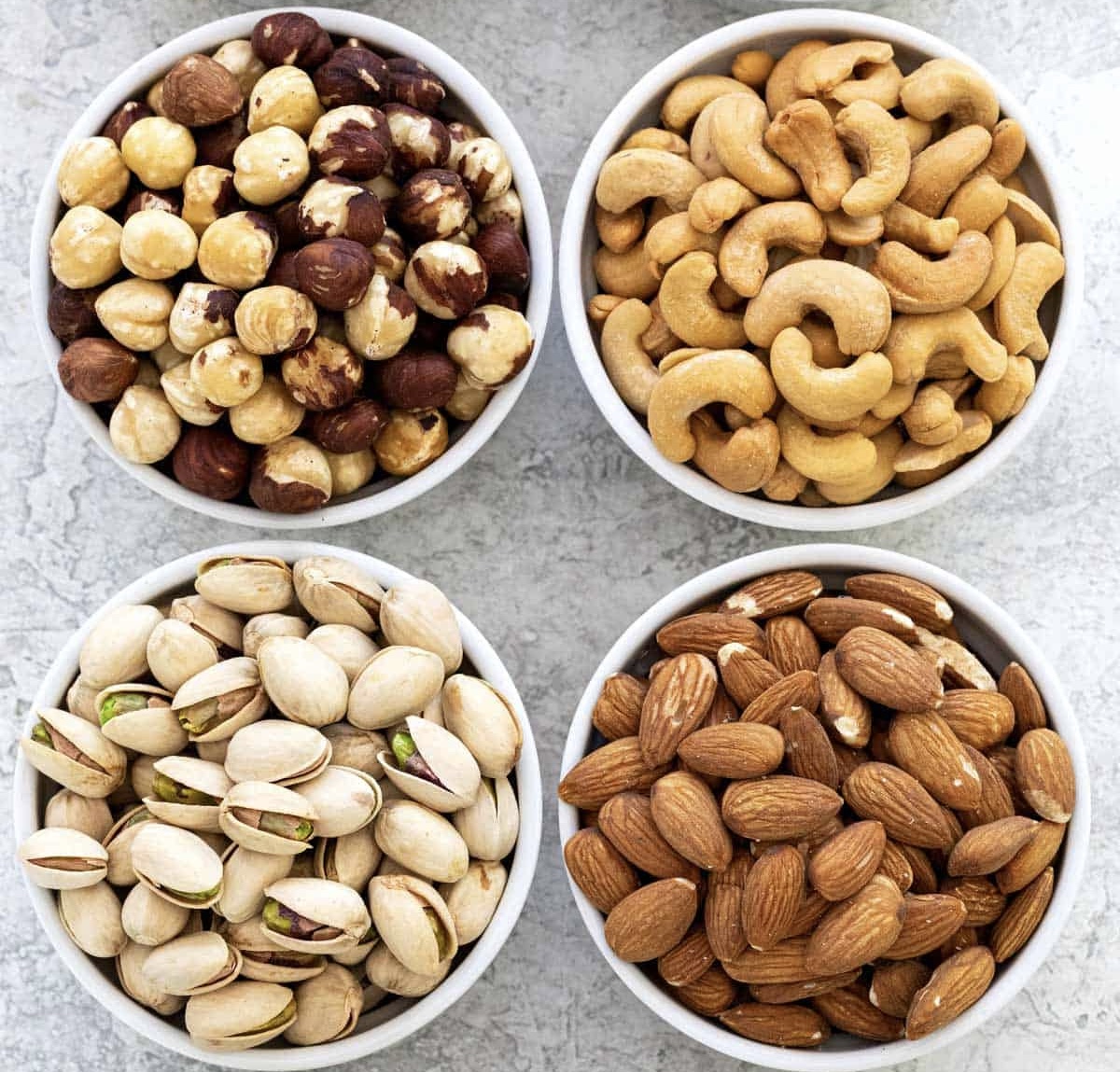
Nuts are often praised as one of the healthiest snacks you can eat, especially when it comes to brain health. From memory support to long-term cognitive protection, they are regularly linked to sharper thinking and healthier ageing.
But the reality is not as simple as “all nuts are good for your brain.” While some varieties are packed with nutrients that nourish brain cells and protect memory, others can become harmful depending on how they are processed, stored, or consumed.
Research increasingly suggests that eating nuts regularly may support cognitive performance and even lower the risk of dementia over time. One review of studies involving older adults found that “regular consumption of nuts may benefit cognitive function and reduce the risk of dementia.” At the same time, scientists warn that benefits depend heavily on portion size, preparation methods, and overall diet quality.
Some nuts provide healthy fats, antioxidants, and anti-inflammatory compounds that help protect the brain. Others may expose the body to mould toxins, excessive sodium, or oxidized oils that can quietly damage blood vessels and increase inflammation. The difference often comes down to the type of nut — and how it reaches your plate.
How Nuts Affect Brain Health As You Age
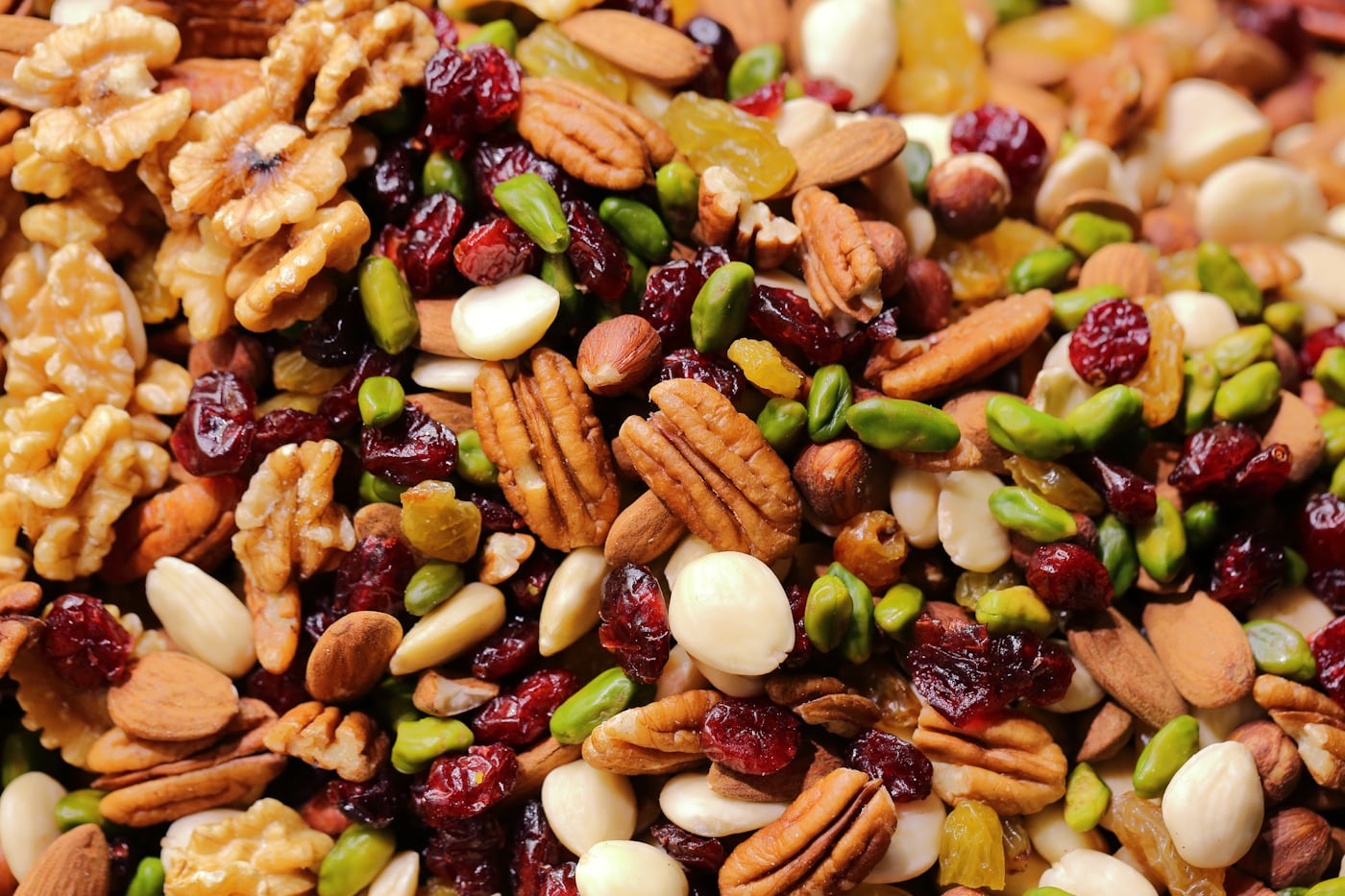
Nuts contain a powerful combination of nutrients that support both the brain and cardiovascular system. Healthy fats, fibre, minerals, antioxidants, and plant compounds all work together to improve circulation and protect delicate brain tissue from oxidative stress.
Scientists have repeatedly observed that people who eat nuts regularly tend to experience slower cognitive decline as they grow older. A large analysis involving UK Biobank participants found that “nut consumption of up to 1 handful of 30 g/day and consumption of unsalted nuts were associated with the greatest protective benefits.”
Researchers behind the study concluded that “the daily consumption of nuts may play a protective role in the prevention of dementia.”
Experts believe these benefits happen through several pathways. Nuts can improve cholesterol levels, reduce inflammation, and support healthier blood vessels, helping oxygen and nutrients reach the brain more efficiently. Varieties such as walnuts, almonds, hazelnuts, and pecans each provide their own unique mix of protective compounds.
However, not every nut snack deserves a healthy reputation. Once nuts become heavily salted, fried, sugar-coated, or poorly stored, they may lose many of their benefits and start contributing to chronic inflammation and vascular damage instead.
When Peanuts Become a Problem
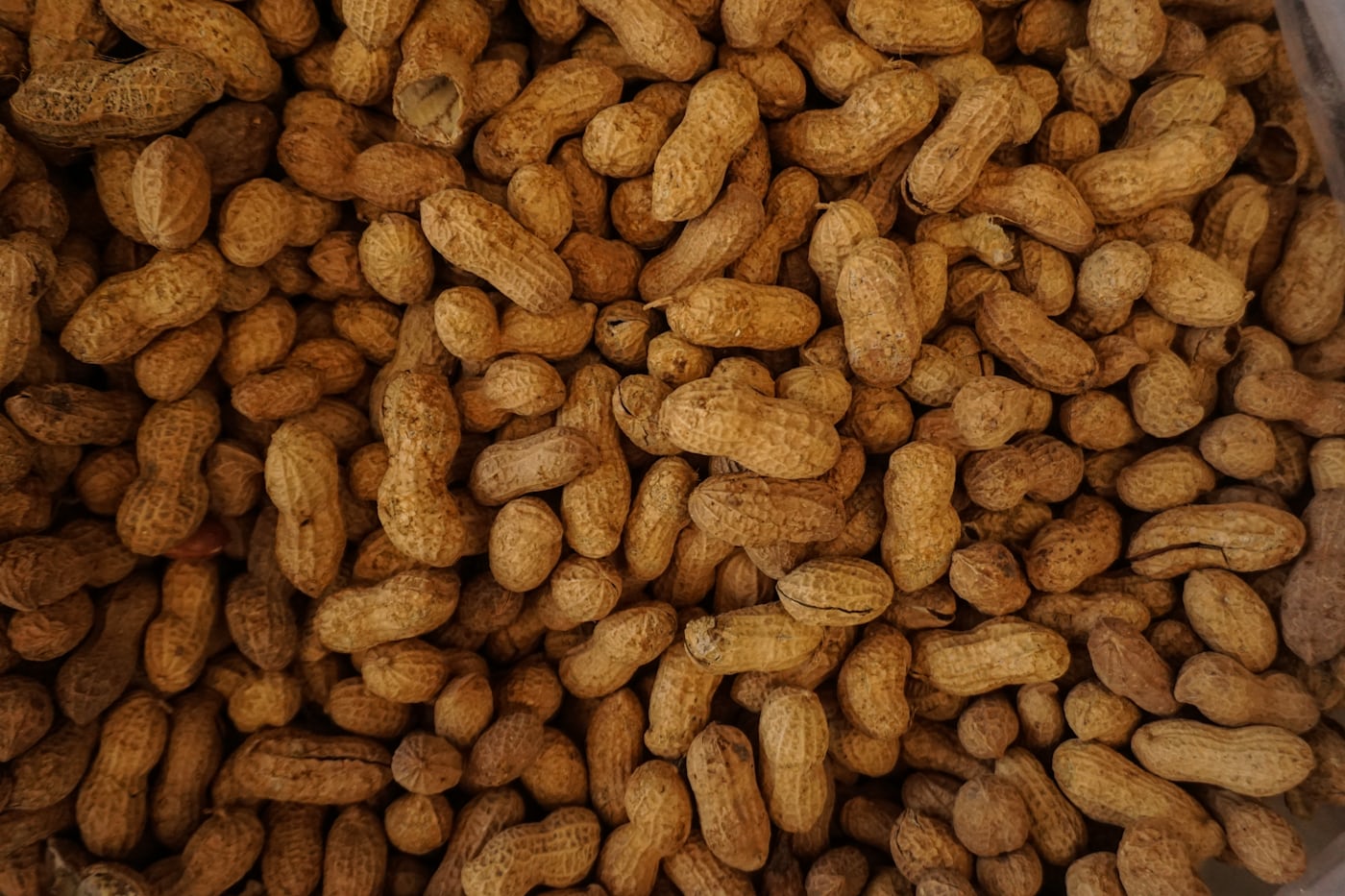
Although peanuts are commonly grouped with nuts, they are technically legumes. Still, they appear in many conversations about brain nutrition because they are rich in protein and relatively inexpensive.
The issue is not the peanut itself — it is the risk of contamination during growing and storage conditions.
Food safety experts warn that “peanuts are highly susceptible to aflatoxin contamination and consumption of contaminated peanuts poses serious threats to the health of humans and domestic animals.” Aflatoxins are toxic substances produced by moulds such as Aspergillus flavus, which can grow on peanuts and grains when exposed to heat and moisture.
According to the World Health Organization, “aflatoxins can cause liver cancer” after long-term exposure. Another cancer research organisation explains the danger more directly: “Aflatoxin is a toxin produced by mould that can damage the liver and may lead to liver cancer (hepatocellular carcinoma) as well as other health-related problems.”
More recent studies suggest the effects may extend beyond the liver. Researchers now point to the toxins’ “immunosuppressive and neurotoxic potential,” raising concerns about long-term exposure and brain health.
For consumers, freshness matters. Peanuts should always smell clean and dry, never musty or bitter. Products from reputable brands with proper storage and safety testing offer far lower risk than poorly stored bulk peanuts or questionable spreads.
The Hidden Problem With Salted Pistachios
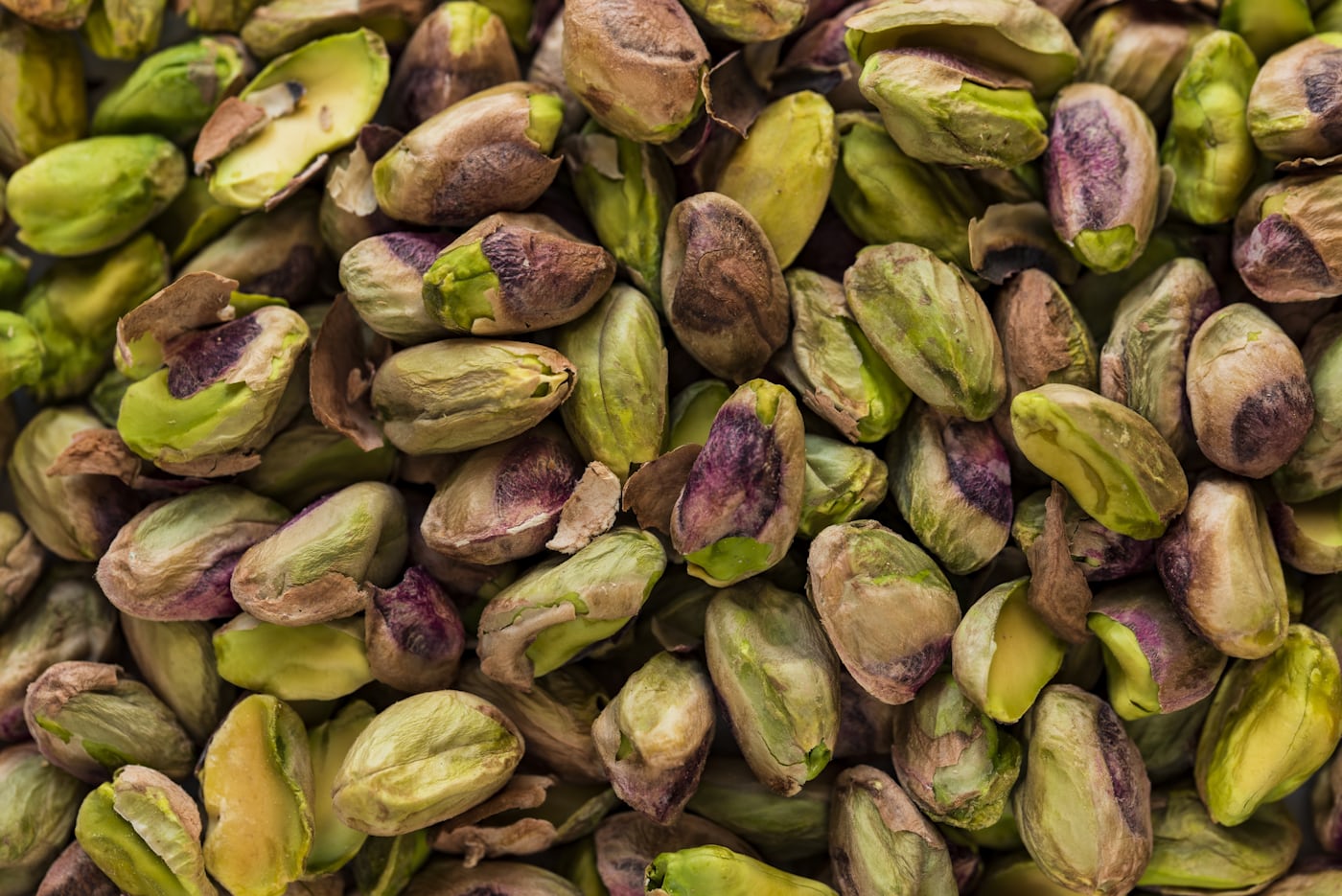
Pistachios themselves can be excellent for overall health. They provide healthy fats, potassium, fibre, and plant nutrients linked to better cardiovascular function.
But the health benefits quickly change when pistachios are heavily salted or coated in flavour powders.
Too much sodium raises blood pressure, and over time, high blood pressure can damage the small blood vessels that nourish the brain. Some clinical studies have shown that pistachios may actually help reduce blood pressure when included in balanced diets. One review reported that “pistachios were reported to reduce systolic blood pressure by 2.89 mmHg.”
The problem is that many commercial pistachio snacks contain enormous amounts of salt and artificial seasoning.
Researchers studying ultra-processed foods have also linked packaged snack-heavy diets with faster mental decline. One long-term Brazilian study found that “higher consumption of ultraprocessed foods was associated with a higher rate of global and executive function decline.”
That does not mean pistachios are unhealthy. It simply means preparation matters. Plain or lightly salted pistachios eaten in moderate amounts are very different from consuming entire bags of heavily seasoned snack versions while sitting in front of a screen.
Fried Cashew Mixes and Damaged Oils
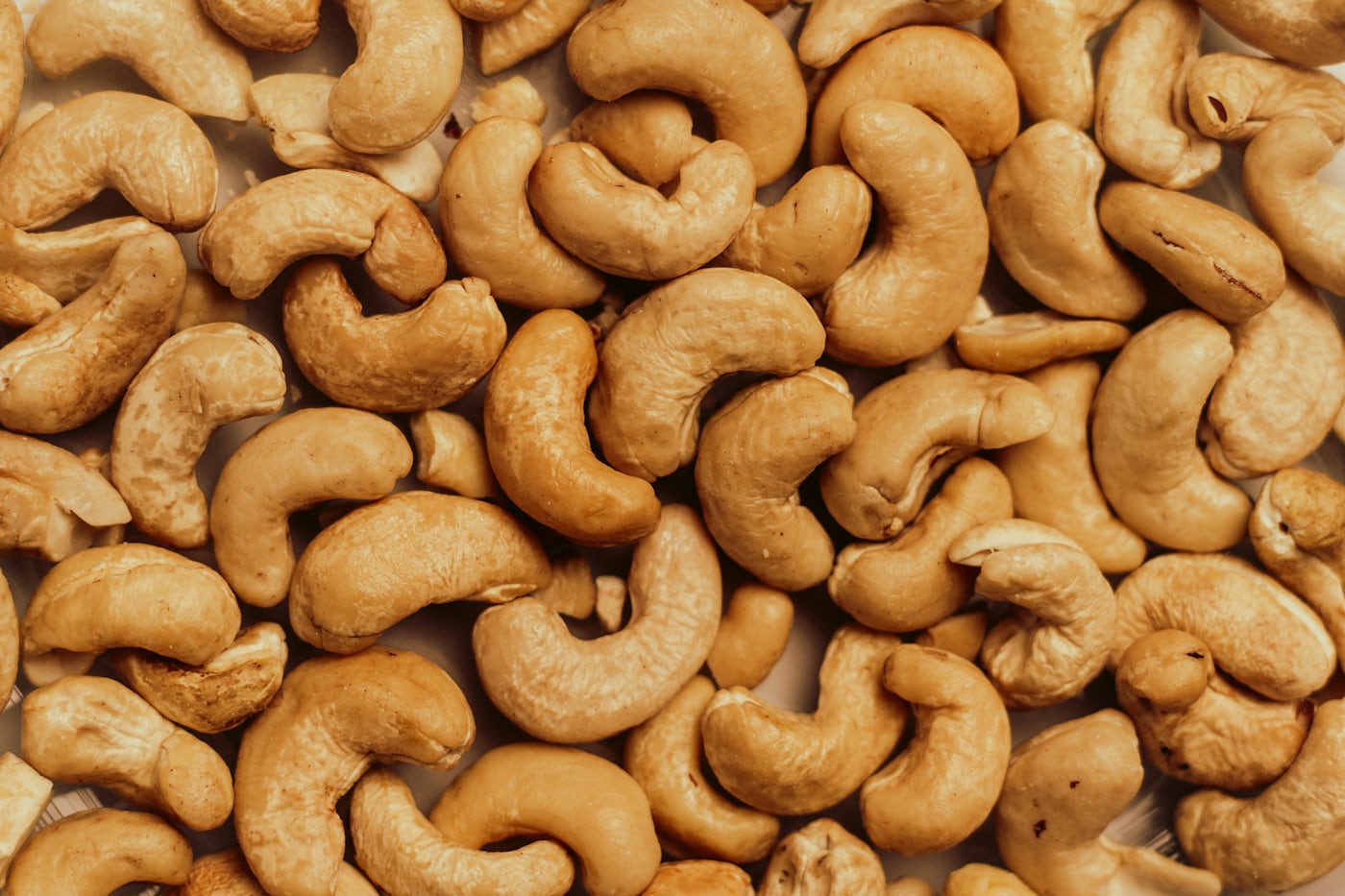
Cashews can absolutely fit into a brain-friendly diet when eaten raw or dry roasted. They contain minerals and healthy fats that support cellular function and energy balance.
The issue begins when cashews are included in fried snack mixes cooked in repeatedly heated oils.
Nutrition researchers explain that “extended exposure of oil to high temperatures and atmospheric air can generate highly oxidized, potentially toxic products.” Those damaged fats can trigger inflammation and oxidative stress throughout the body — two processes strongly linked to cognitive decline and neurodegenerative disease.
A recent review examining ultra-processed foods and the brain found that these products have been “linked to inflammatory processes in the brain, oxidative stress, and neurodegenerative diseases, contributing to cognitive decline.”
Many processed nut mixes also contain excess sugar, starch, and sodium, which may contribute to weight gain and unstable blood sugar levels over time.
If cashews are your preference, experts recommend sticking to plain versions and using small amounts in meals like salads, yoghurt bowls, or vegetable dishes instead of relying on fried snack mixes.
Brazil Nuts: Healthy in Small Doses

Brazil nuts are unique because they are among the richest natural sources of selenium, a trace mineral that helps protect cells from oxidative damage.
Selenium is important for brain and immune function, but there is a catch: the body only needs very small amounts.
Health authorities warn that “the safe upper limit for selenium is 400 micrograms a day in adults. Anything above that is considered an overdose.” Since a single Brazil nut may contain between 50 and 90 micrograms of selenium, eating large amounts regularly can push intake too high surprisingly fast.
Long-term selenium excess has been associated with symptoms such as hair loss, brittle nails, mood changes, and nerve problems. Experts also caution that excessive selenium intake “could lead to selenium toxicity, a condition linked to breathing issues, kidney failure, and heart problems.”
For most people, just one or two Brazil nuts occasionally is more than enough, especially if other selenium-rich foods like fish or eggs are already part of the diet.
Walnuts: The Brain’s Favourite Nut
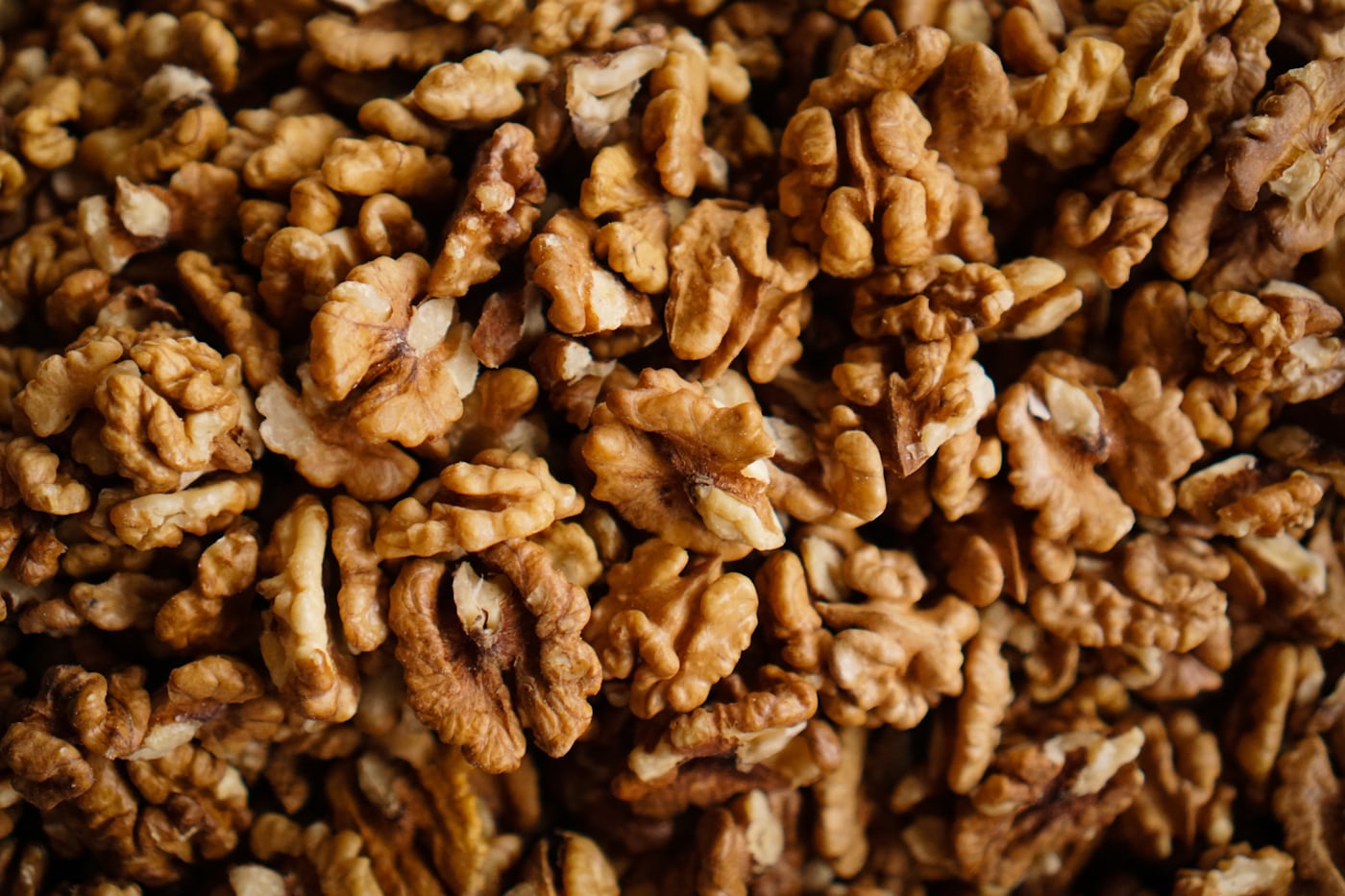
Walnuts are consistently ranked among the best nuts for brain health, and researchers say there are good reasons for that.
They are one of the richest sources of alpha-linolenic acid (ALA), a plant-based omega-3 fatty acid connected to reduced inflammation and improved vascular health.
Nutrition experts note that “walnuts are the only tree nut that is an excellent source of alpha-linolenic acid (ALA), the plant-based omega-3 essential fatty acid.”
Laboratory studies also suggest that compounds found in walnuts may help reduce inflammation inside the brain itself. One review concluded that “walnut phytochemicals, which can effectively inhibit pro-oxidant and proinflammatory mediators, may be 1 method of reducing the risk of dementia.”
Observational studies in older adults continue to show that people who consume walnuts more frequently often score better on cognitive tests and experience slower mental decline.
A small daily handful added to oatmeal, salads, or vegetables may provide long-term benefits — especially when the nuts are stored properly to prevent rancidity.
Almonds and Hazelnuts Support Memory Protection
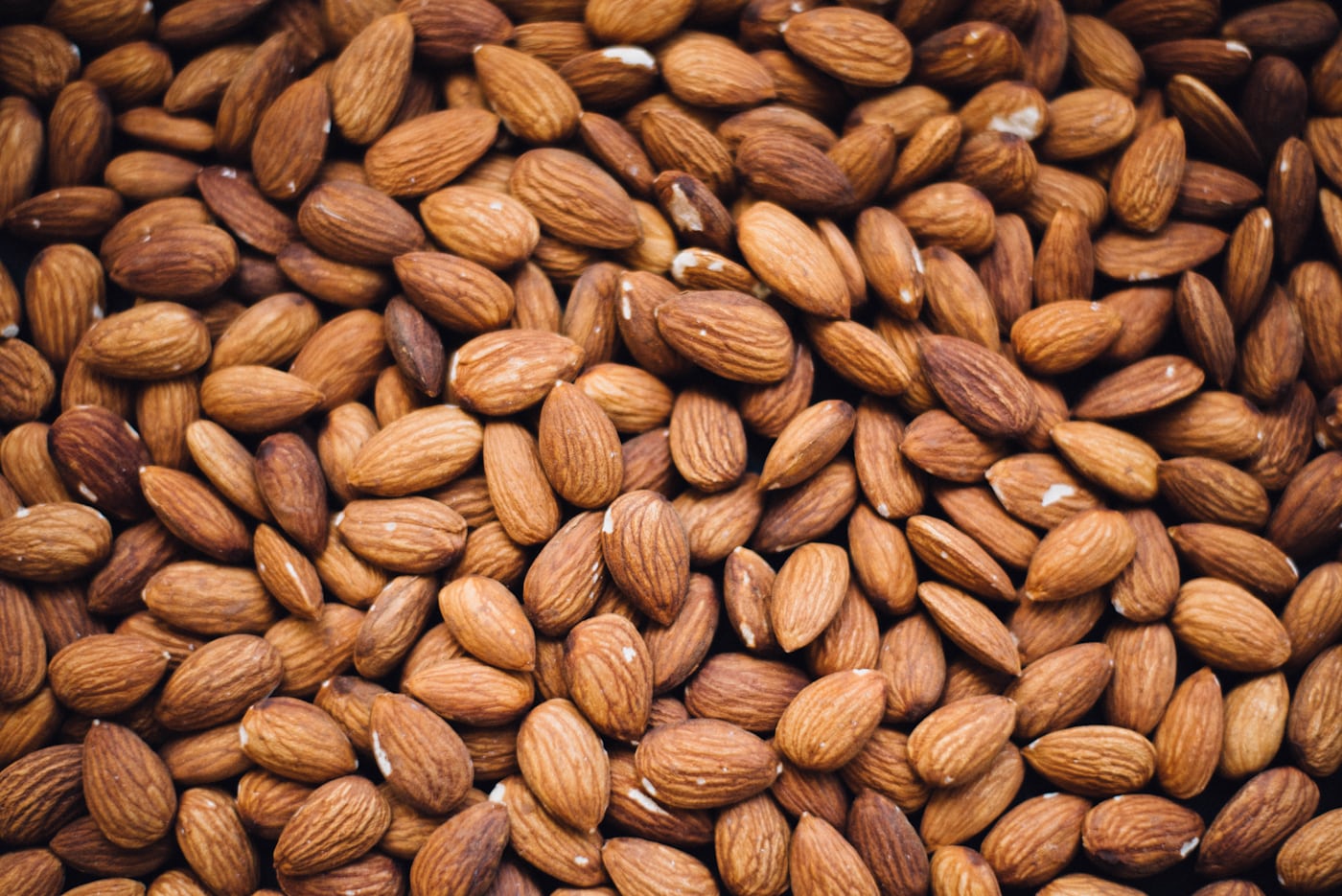
Almonds and hazelnuts stand out because they are particularly rich in vitamin E, an antioxidant strongly linked to brain protection.
According to the Alzheimer’s Drug Discovery Foundation, “it has long been known that vitamin E is important for brain health and that diets poor in vitamin E are linked to an increased risk for Alzheimer’s.”
Vitamin E helps shield brain cell membranes from oxidative damage, especially the delicate fats found in neurons. One brain health guide explains that “vitamin E intake is also associated with improved cognitive function; almonds and hazelnuts are two of the most concentrated sources of vitamin E.”
Some clinical studies have also linked almond-rich diets with improvements in attention, memory, and cardiometabolic markers related to cognitive performance.
Simple, unsalted versions remain the healthiest choice. Sugary glazed almonds or heavily salted snack packs may undermine many of the potential benefits.
Pecans and Their Antioxidant Advantage
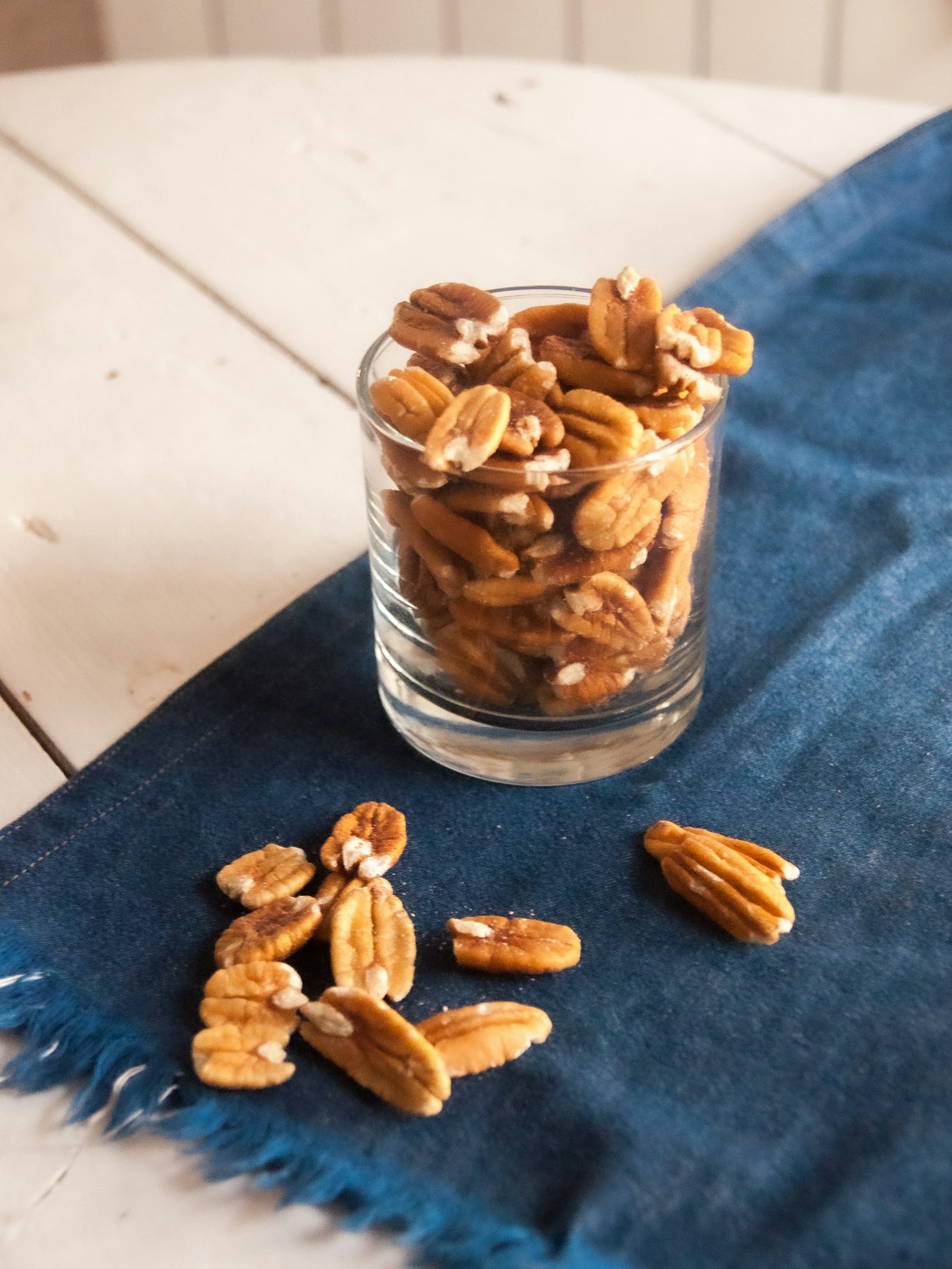
Pecans are gaining attention for one major reason: their antioxidant content.
According to WebMD, “pecans are the only nut on the USDA’s list of top 20 foods highest in dietary antioxidants, coming in 14th place.”
They contain vitamin E, polyphenols, and other plant compounds that help protect cells from free radical damage. Some experts believe these antioxidants may support healthier ageing and better brain resilience over time.
In addition, the monounsaturated fats in pecans may help support circulation and reduce inflammation.
Still, pecans are calorie-dense, so moderation matters. A small handful is usually enough to gain benefits without adding excessive calories.
The Best Way to Eat Nuts for Brain Health
Research suggests that regular consumption of nuts may benefit cognitive function. Image Credit: Pexels
Research does not suggest eating unlimited quantities of nuts. Instead, experts consistently point toward moderate daily portions as the healthiest approach.
The strongest evidence supports around one small handful — roughly 30 grams per day — of mostly plain, unsalted nuts.
Walnuts, almonds, hazelnuts, and pecans appear to offer some of the most consistent brain-supportive benefits. Meanwhile, it may be wise to limit poorly stored peanuts, heavily salted pistachios, fried cashew mixes, and excessive amounts of Brazil nuts.
Storage also matters more than many people realise. Nuts should be kept in airtight containers away from heat and moisture to reduce the risk of mould growth and rancid oils.
Used wisely, nuts can become one of the simplest long-term habits for supporting brain resilience. But like many foods associated with health, the details — freshness, processing, and portion size — make all the difference.