Brutal Case of 6,000 Tumors Shocks Doctors, Mother Finally Gets to See Herself Without Them

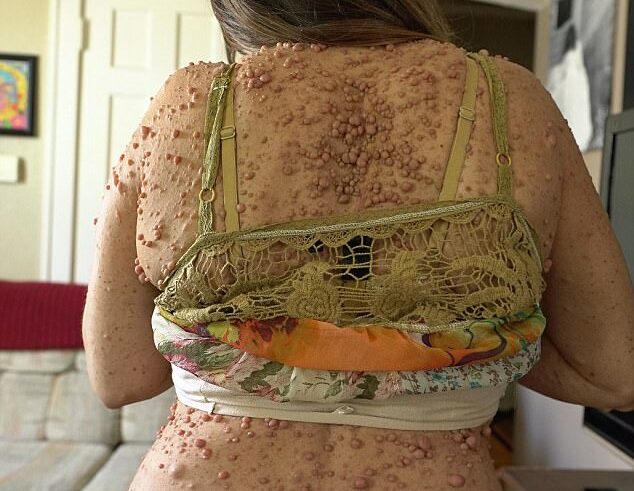
Tumors can affect the body in many ways, but few cases are as extreme as this one. A mother developed thousands of tumors across her body, leaving doctors stunned and her daily life deeply affected.
In Fort Wayne, Indiana, Libby Huffer spent more than 20 years avoiding the outside world. Her life was shaped by tumors that covered her body, but her story today is about transformation, resilience, and reclaiming control after years of silence.
At 45 years old, Libby is finally experiencing a level of freedom that once felt impossible. For most of her life, tumors influenced how she lived, how people saw her, and how she saw herself. To understand her journey, it is important to go back to where everything began.
As a teenager, Libby first noticed changes in her skin. At a time when most young people are already dealing with insecurity, tumors became an overwhelming addition to her life. She was diagnosed with neurofibromatosis, a genetic condition that causes tumors to grow along nerves in the body.
What started as a few bumps eventually turned into something far more serious. Over time, those early signs developed into thousands of tumors, spreading across different parts of her body.
At their most severe, Libby had nearly 6,000 tumors.
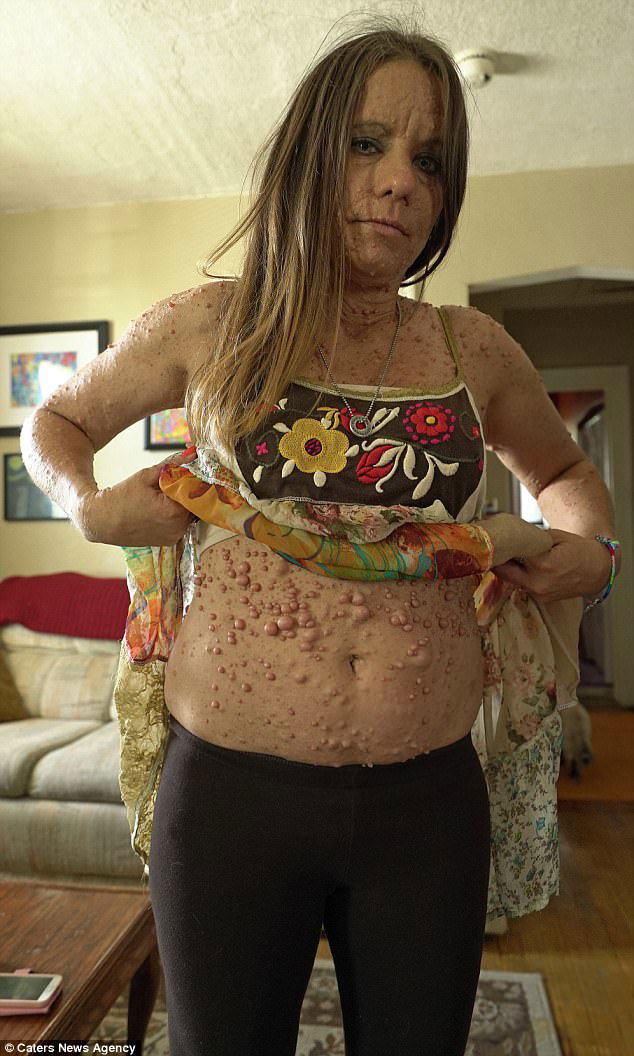
Many of these tumors were raised and clearly visible, making them impossible to hide and difficult to ignore.
In the beginning, she had only a few hundred tumors. While still challenging, it was something she could manage. However, everything changed during her pregnancy. Hormonal changes triggered rapid growth, and the number of tumors increased dramatically.
The expansion of tumors affected her physically and emotionally. School became a painful environment where other students fixated on her appearance rather than who she was. The bullying she experienced left lasting emotional scars.
The situation became so overwhelming that Libby made a decision to change her name. Her birth name, Elizabeth, became associated with painful memories. Choosing the name Libby allowed her to take back a sense of control in a life heavily influenced by tumors.
As she entered adulthood, the challenges continued. Tumors affected her ability to find work, build relationships, and navigate everyday interactions. During job interviews, people often focused on her appearance rather than her abilities.
Social situations were equally difficult. People stared, whispered, or made assumptions about her condition. Some believed her tumors were contagious, which led to uncomfortable and hurtful encounters.
Romantic relationships were also impacted. Many potential partners judged her based on her appearance and chose not to pursue a connection. This added another layer of emotional difficulty to her life with tumors.
The physical impact of tumors was constant. Clusters of tumors on her back caused chronic pain that made everyday activities difficult. Even simple movements could trigger discomfort.
Basic experiences like hugging someone or taking a shower could become painful. Tumors reacted to touch, pressure, and even water, turning ordinary moments into challenges.
Sleep was also affected. Tingling sensations in her feet, caused by nerve involvement, made it hard for her to rest properly. Living with tumors meant dealing with discomfort at all times.
For over 25 years, Libby lived with these conditions. She worked as a photographer, capturing important moments for others, while her own life felt limited by tumors.
Everything began to change when she decided to share her story. Speaking publicly after years of hiding was not easy, but it opened new doors.
Her story reached the team behind The Doctors, a television program focused on medical cases. They offered her the opportunity to receive treatment and share her experience with a wider audience.
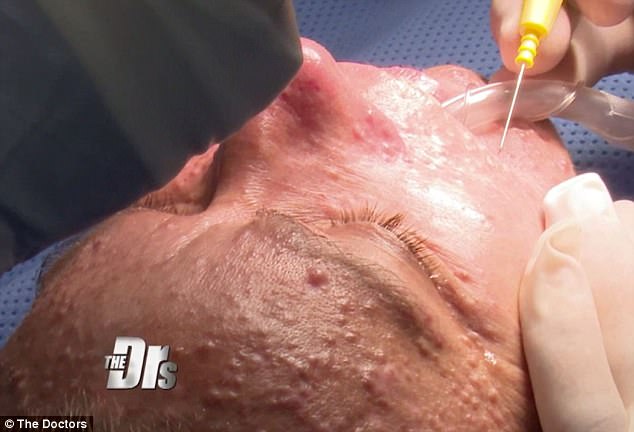
In June 2017, Libby underwent electrodessication surgery. This procedure uses electrical current to remove tumors by destroying affected tissue. During one session, doctors removed around 1,000 tumors.
Even after removing 1,000 tumors, she still had thousands remaining. This highlights how extensive her condition was and how difficult it is to treat tumors on such a large scale.
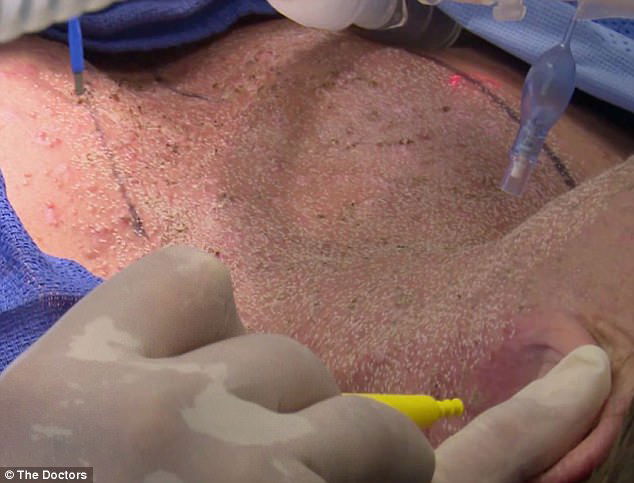
To improve her skin further, she also underwent CO2 laser surgery. This treatment helped reduce scarring and smooth the skin after tumor removal.
After these procedures, Libby experienced a powerful moment. When she looked in the mirror, she saw herself in a way she had not seen in years, without the overwhelming presence of tumors.
She shared that she was happy with the results and that her friends and family noticed a major difference. The change was not only physical but emotional as well.
For the first time in years, she could move through life without feeling constantly judged. Tumors no longer defined every interaction she had.
Despite this progress, Libby understands that her condition remains. Neurofibromatosis continues to cause tumors, and there is no cure. However, reducing the number of visible tumors has given her a new sense of confidence.
She also acknowledges that emotional healing takes time. Years of living with tumors affected her self-image and mental well-being. However, she believes that continued treatment will help her rebuild confidence.
Instead of keeping her experience private, Libby chose to help others. She created a Facebook group called Faces of Neurofibromatosis, focused on people living with tumors caused by this condition.
The group started with just two members and has grown to more than 5,000 people worldwide. It provides a supportive space where individuals can share their experiences with tumors and connect with others who understand.
Membership is limited to people directly affected by neurofibromatosis or parents of children with the condition. This ensures that the group remains a safe and understanding environment.
Through this community, people dealing with tumors can find encouragement, advice, and emotional support. It has become an important resource for many.
Libby also works with Neurofibromatosis Midwest, an organization focused on raising awareness, funding research, and improving access to treatment for people living with tumors.
One of the main goals is education. Many people have never heard of neurofibromatosis, and even some healthcare providers lack knowledge about it. Increasing awareness can lead to better diagnosis and care.
Another goal is funding research. Currently, there is no cure for this condition, and treatments mainly focus on managing tumors rather than eliminating the cause.
Improving access to treatment is also important. Not everyone has the opportunity to receive specialized care, and fundraising efforts can help make treatments more accessible.
Neurofibromatosis affects about one in 2,500 people. This means that many individuals are living with tumors without proper support or understanding.
When asked if her life has changed, Libby gives a thoughtful answer. In some ways, her daily routine is similar. However, the bigger changes are significant.
She has raised awareness about tumors and her condition, which has always been her goal. Her journey is not just about physical transformation but about using her experience to help others.
View this post on Instagram
Today, she can move more freely, experience less pain, and engage in life with greater confidence. Tumors no longer control every aspect of her life.
The biggest change is internal. Libby has shifted from hiding to sharing, from silence to advocacy. She has taken a life shaped by tumors and turned it into a source of strength.
She continues to work toward removing more tumors in the future. Her journey is ongoing, but her progress shows what is possible.
Her story is a reminder of resilience and the importance of awareness. By speaking openly about tumors and her condition, she is helping others feel less alone.
Libby Huffer’s experience shows that even in the most challenging situations, it is possible to find strength, rebuild confidence, and create a meaningful impact.