Cremation & Faith: What Scripture Really Says—And What Actually Matters After Death

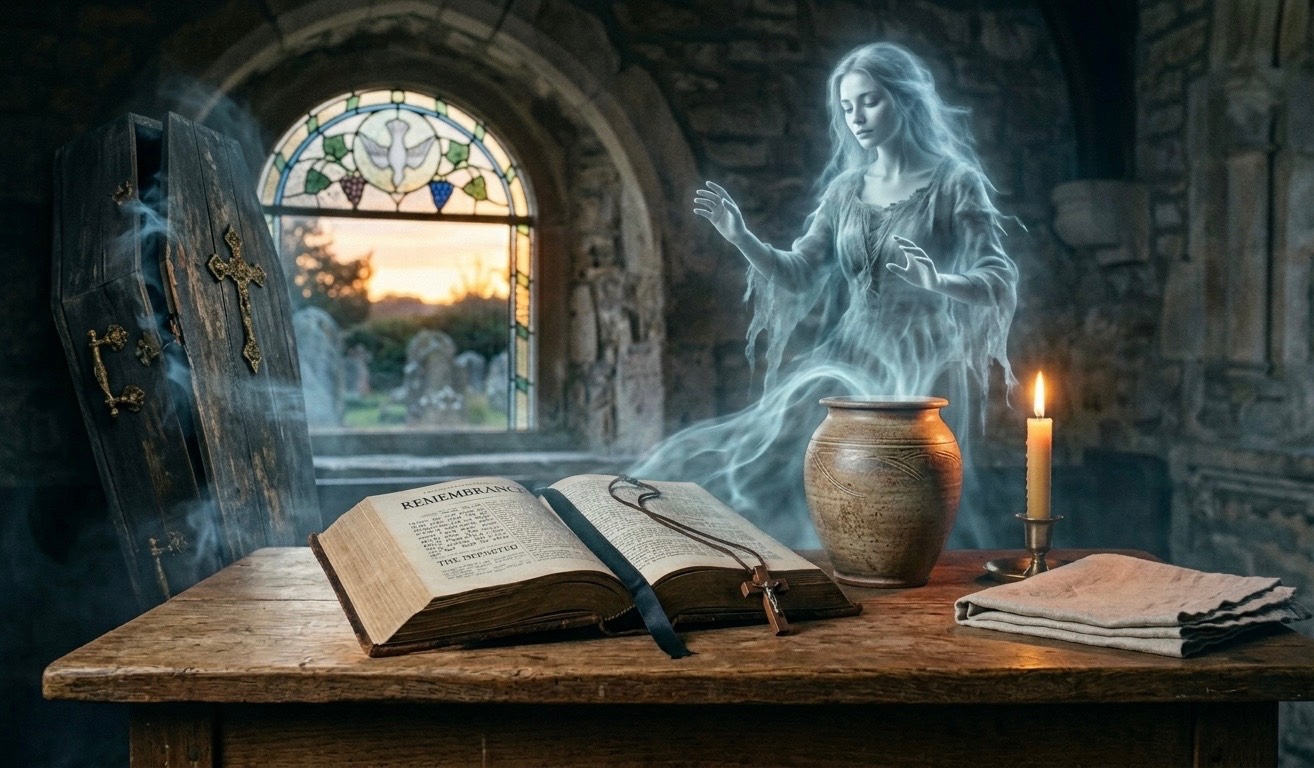
Cremation involves reducing a person’s body to ash through extremely high heat, leaving behind a small amount of remains that families can choose to keep, bury, or scatter. For a long time, it has carried a sense of discomfort in certain cultures and religious communities. Still, in recent years, more people have begun choosing it over traditional burials.
A lot of the unease around cremation comes down to misunderstanding. When people don’t know how something works, it’s easy for fear to fill in the gaps.
That’s exactly why Lauren, a former funeral home employee known on TikTok as @lovee.miss.lauren, decided to speak openly about it. With more than 2.5 million followers, she shares what actually happens behind the scenes and addresses the questions many people hesitate to ask.
One concern comes up more than any other: “How can I be certain that the ashes I receive truly belong to my loved one?”
Lauren explains that the process is carefully tracked from start to finish. When a body arrives at the crematory, it’s assigned a metal identification tag with a unique number. That tag remains with the body throughout the entire procedure. Once cremation is complete, the ashes are placed in a sealed container with matching identification, and the family receives an official certificate with the person’s name and registration number.
Some questions might sound unusual at first, but they reflect real worries. For example, someone once asked whether a tampon is removed if a woman passes away during her menstrual cycle. Lauren says that in most situations, an autopsy is carried out beforehand, and any such items are removed—especially if embalming is involved. Everything is done according to strict procedures and always with the family’s approval, ensuring respect for the deceased at every step.
Louise Singer, who manages Bramcote Bereavement Services in the UK, has also shed light on what happens before cremation. She explains that coffins are checked for items that cannot be safely burned, including metal objects. Particular attention is given to pacemakers, which can explode under intense heat and even damage the cremation chamber.
Beyond the physical process, there’s another question that weighs heavily on many people: what happens to the soul? This question is especially important for those who believe in an afterlife or in the idea that something of us continues beyond death.
Beliefs vary widely across religions and philosophies, and each offers its own perspective.
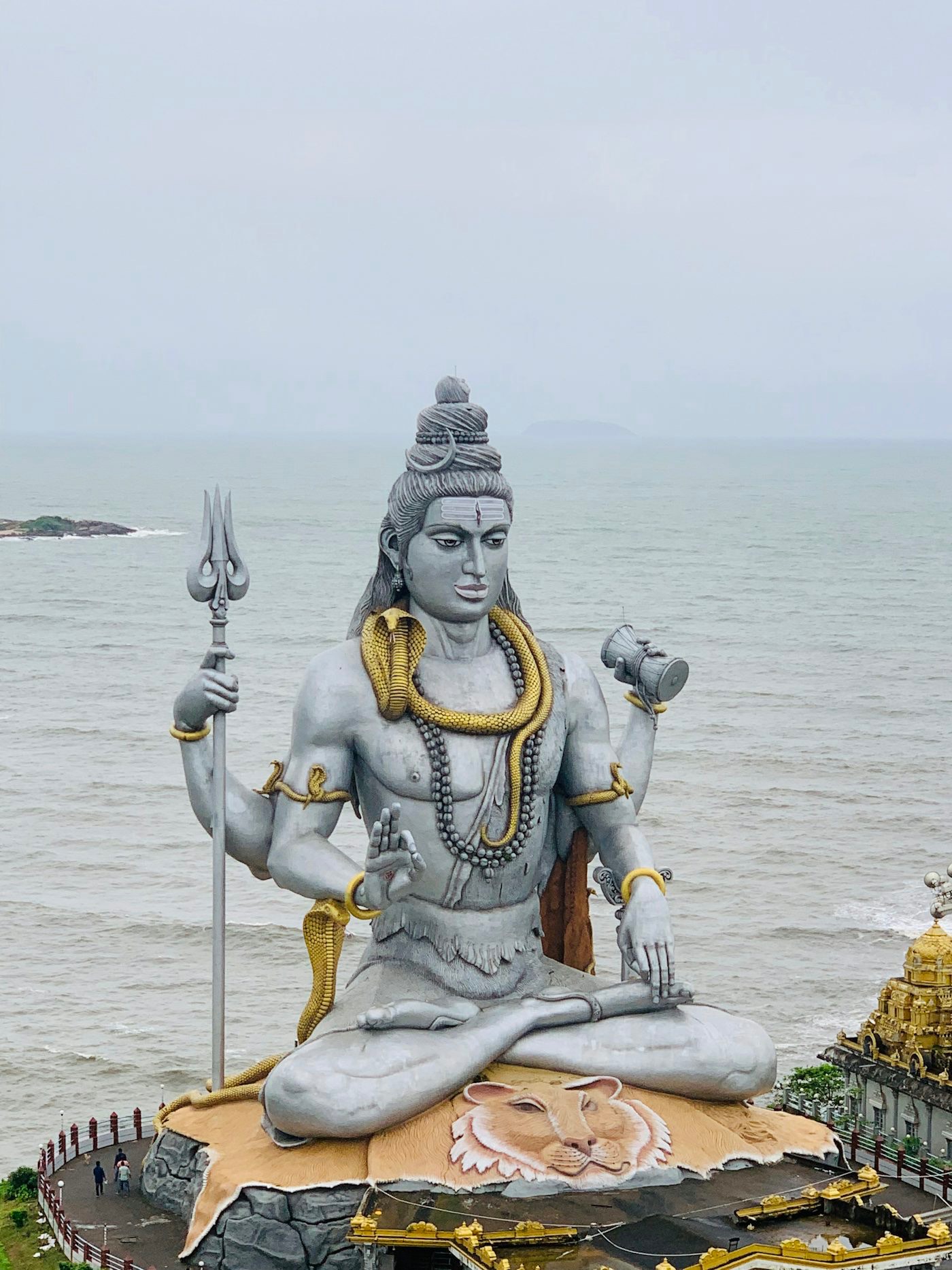
Hinduism and Buddhism: Letting Go and Moving Forward
In Hindu tradition, cremation is the preferred practice. It’s believed that the soul, or atman, doesn’t die—it simply leaves the body. Fire plays a sacred role, helping release the soul so it can continue its journey through reincarnation, known as samsara.
Buddhism also commonly practices cremation, though it approaches the idea differently. Instead of a permanent soul, it teaches that consciousness continues in a cycle of rebirth. For many Buddhists, cremation is not just a ritual, but a reflection of life’s impermanence and a step toward whatever comes next.
Christianity: Focus on Faith
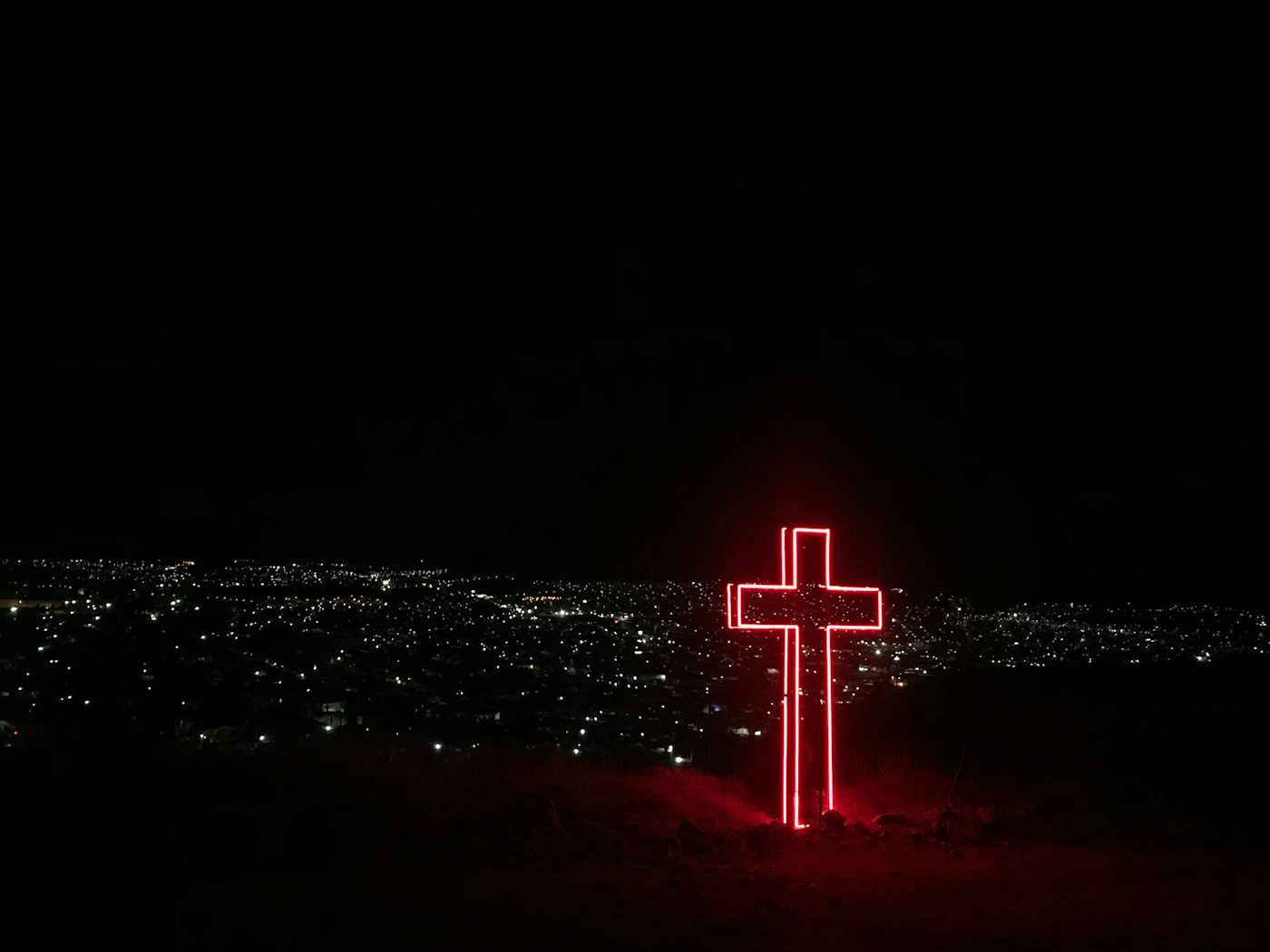
Views on cremation within Christianity have evolved over time. While burial was once strongly preferred—especially among Catholics—most Christian denominations today accept cremation.
The central belief remains that after death, the soul faces judgment and moves toward heaven, hell, or a temporary state like purgatory. Whether the body is buried or cremated isn’t seen as something that determines that outcome. Instead, faith and one’s relationship with God are what truly matter.
Islam: Respect Through Burial
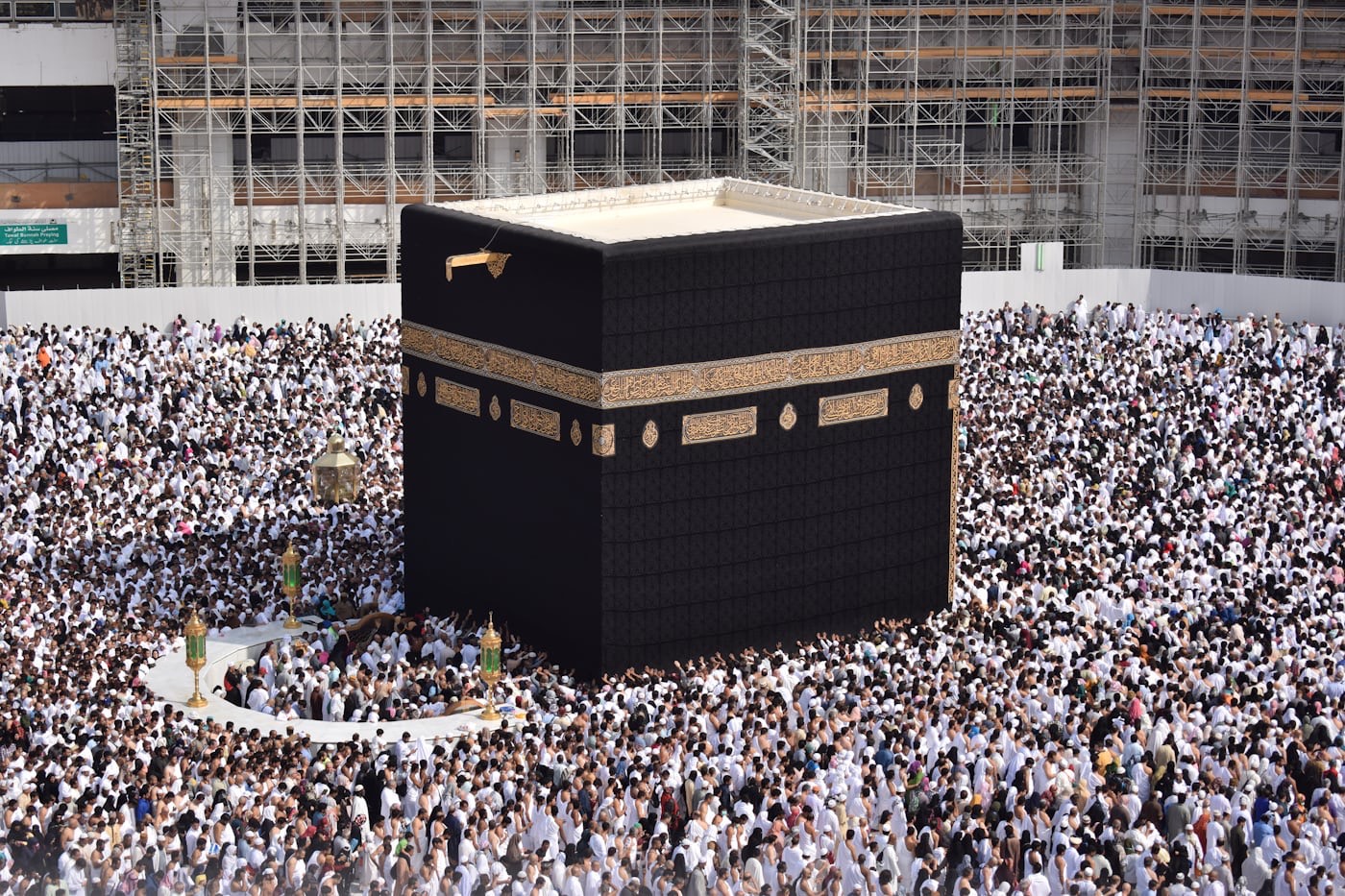
In Islam, cremation is not permitted. The body is to be buried as soon as possible, following a simple and respectful process.
Muslims believe the soul departs at death but maintains a connection to the body until the Day of Judgment. The emphasis on burial reflects a deep respect for the human body and adherence to religious teachings.
Modern and Secular Perspectives
Today, many people identify as spiritual without following a specific religion, while others take a fully secular view.
In these cases, cremation is often seen as a natural return to the earth. Some believe the soul continues in another form, merges with the universe, or lives on through the memories left behind.
Others—particularly those with a scientific or humanist outlook—believe consciousness ends with death. For them, cremation is simply a personal, practical, or even environmentally conscious decision.
In the end, while the physical details of cremation are well understood, what lies beyond remains a deeply personal question—one shaped by belief, culture, and individual perspective.