
8 Early Signs of Chronic Kidney Disease You Should Never Ignore

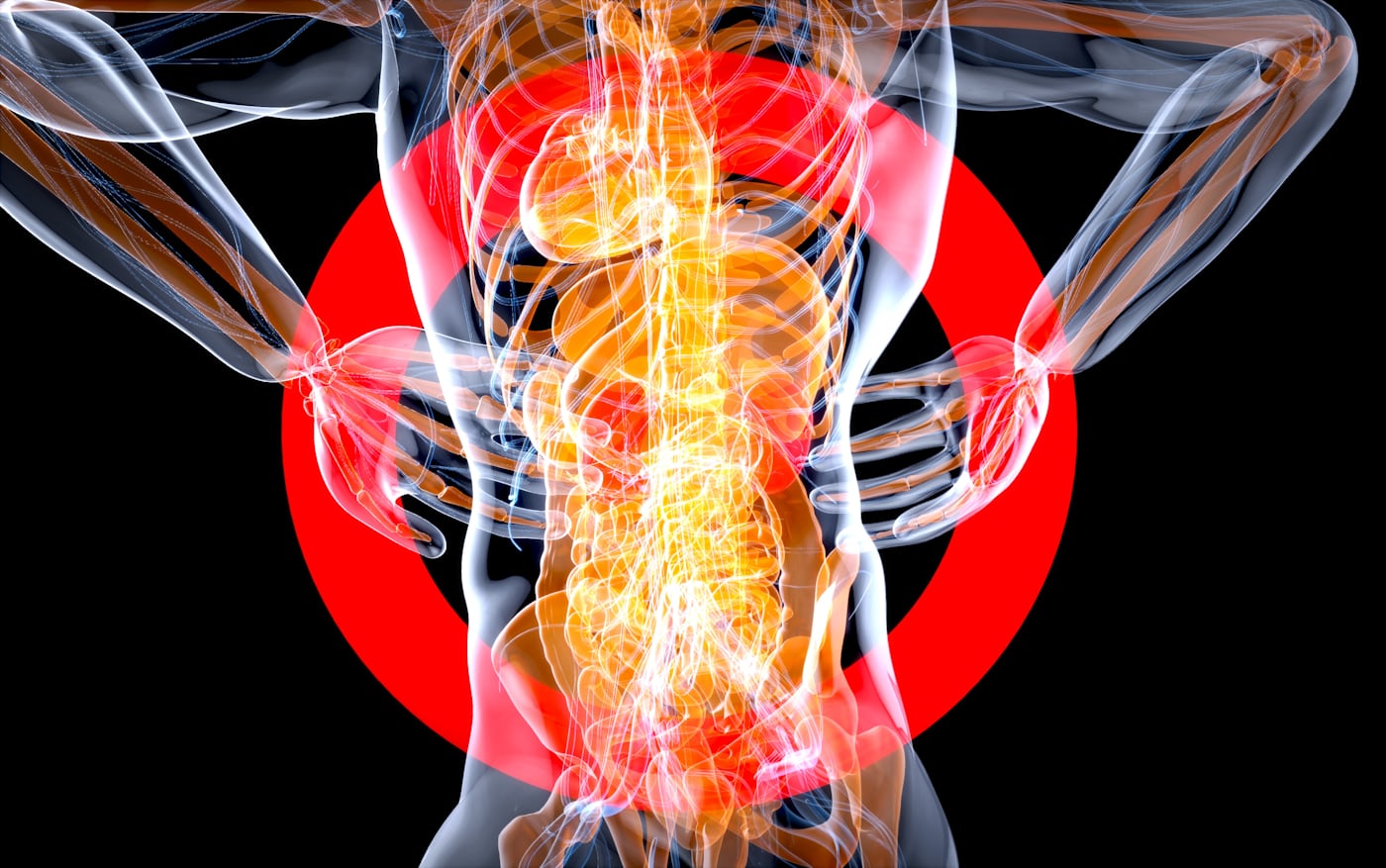
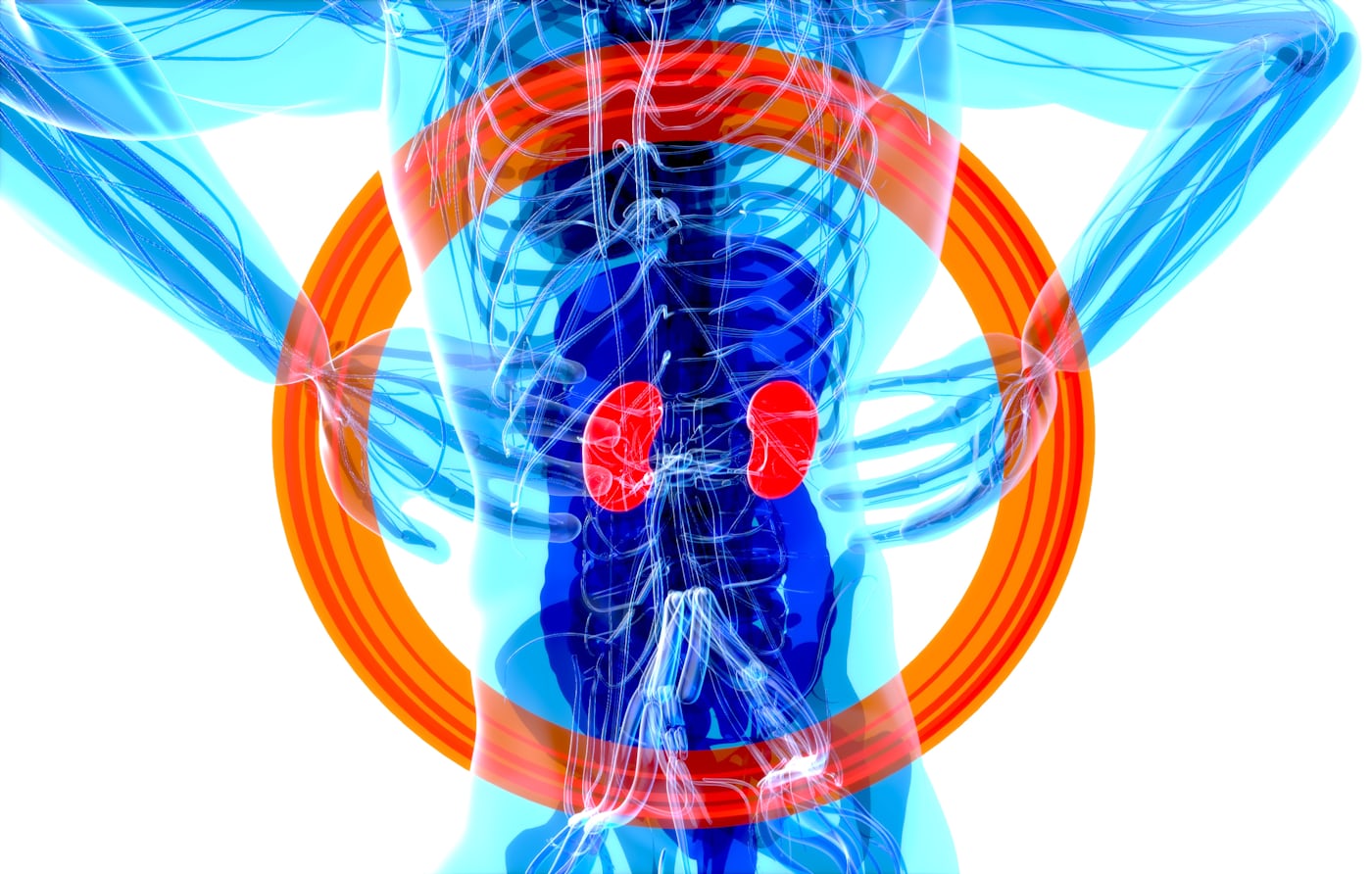
Most of us rarely think about our kidneys. Hidden beneath the rib cage, these two small organs work around the clock to filter waste, regulate fluids, control blood pressure, and support the production of red blood cells. Despite their vital role, kidney problems often develop quietly, making them easy to miss until significant damage has already occurred.
That’s why chronic kidney disease (CKD) is often called a “silent” condition. Symptoms tend to appear gradually and are frequently mistaken for everyday issues like stress, aging, or lack of sleep. As a result, millions of people are living with kidney disease without realizing it.
According to the National Institutes of Health, more than 35 million adults in the United States have CKD, yet most remain undiagnosed. Worldwide, the number of people affected continues to rise, highlighting the importance of recognizing early warning signs before the condition progresses.
Here are eight symptoms that may indicate your kidneys are struggling.
1. Changes in Urination
One of the earliest signs of kidney problems often shows up in the bathroom.
Healthy urine is usually clear and light yellow. If you begin noticing unusually foamy urine, it could indicate that protein is leaking through damaged kidney filters. Frequent nighttime trips to the bathroom, known as nocturia, can also signal declining kidney function.
Other warning signs include blood in the urine or changes in urine color, odor, or frequency. While these symptoms can also result from infections or other conditions, persistent changes should never be ignored.
2. Constant Fatigue and Low Energy
Feeling exhausted despite getting enough sleep may be more than just a busy lifestyle.
The kidneys produce a hormone called erythropoietin, which helps the body create red blood cells. When kidney function declines, production of this hormone decreases, potentially leading to anemia.
With fewer red blood cells carrying oxygen throughout the body, everyday activities can suddenly feel exhausting. Combined with toxin buildup in the bloodstream and disrupted sleep patterns, kidney-related fatigue often becomes overwhelming and persistent.
3. Swelling in the Feet, Ankles, Hands, or Face
Swelling is another common indicator that the kidneys may not be functioning properly.
When the kidneys struggle to remove excess sodium and fluids, water begins accumulating in body tissues, causing noticeable puffiness. This often appears in the feet, ankles, fingers, or around the eyes.
Morning facial swelling and shoes feeling unusually tight later in the day can both be signs that fluid balance is being affected. Because swelling may also be linked to heart, liver, or circulation problems, it’s important to have it evaluated by a healthcare professional.
4. Dry, Irritated, or Itchy Skin
Persistent itching may seem unrelated to kidney health, but it can sometimes be a warning sign.
Healthy kidneys help maintain proper mineral and nutrient balance within the body. As kidney function declines, imbalances can develop, affecting the skin and leading to dryness, irritation, or widespread itching.
If moisturizers provide little relief and itching continues without an obvious cause, it may be worth discussing kidney function with your doctor.
5. High Blood Pressure That Won’t Improve
The connection between blood pressure and kidney health works both ways.
High blood pressure can damage the delicate blood vessels inside the kidneys, while damaged kidneys can make blood pressure harder to control. This creates a cycle in which each condition worsens the other.
People whose blood pressure remains elevated despite medication, exercise, or dietary changes should consider having their kidney function evaluated, particularly if other symptoms are present.
6. Ongoing Sleep Problems
Difficulty sleeping is often dismissed as a normal part of modern life, but it may sometimes be linked to kidney disease.
When kidneys fail to properly remove waste products, toxins can remain in the bloodstream and interfere with sleep quality. Frequent nighttime urination, restless legs, muscle cramps, and sleep apnea are also more common among people with kidney disease.
If sleep problems occur alongside other symptoms on this list, they may point toward a larger issue.
7. Nausea, Appetite Loss, or a Metallic Taste
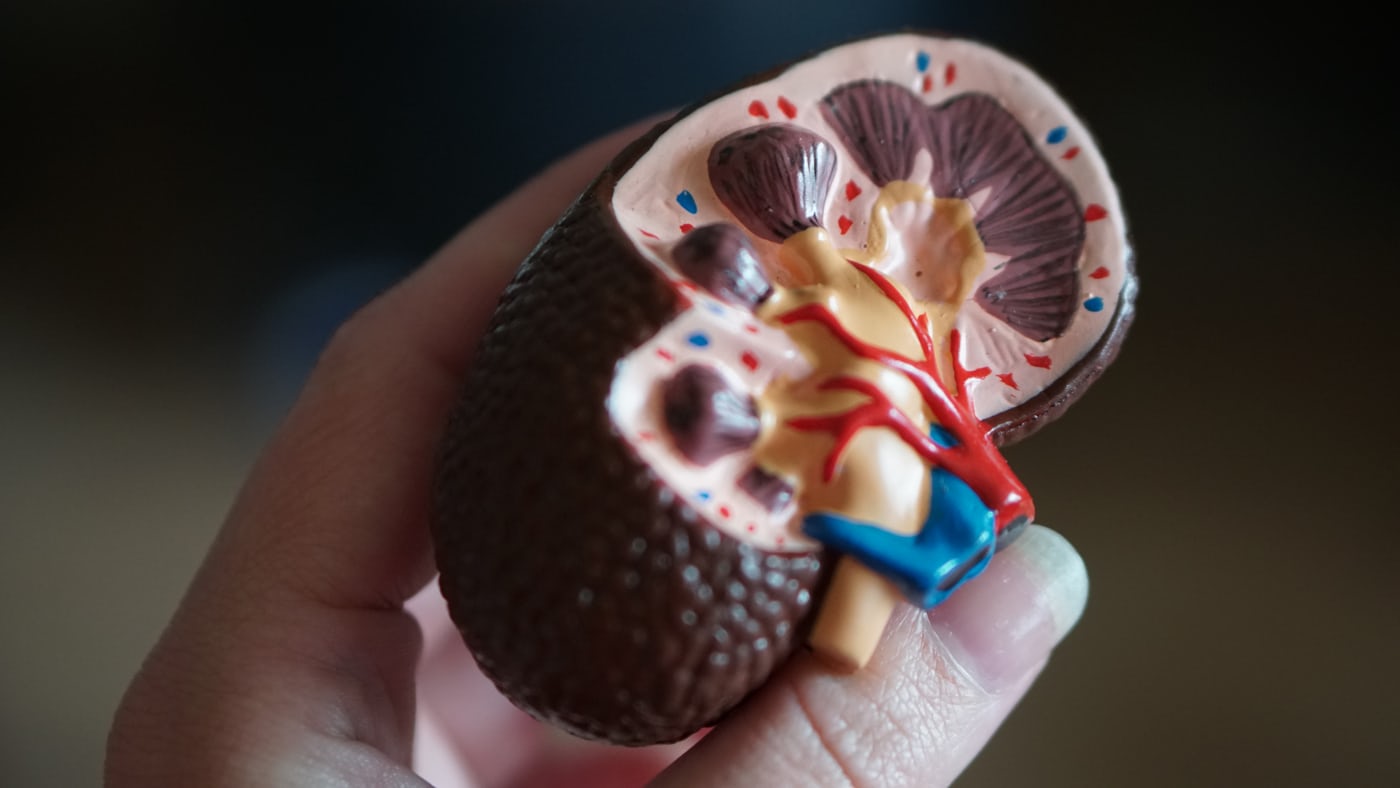
As kidney disease progresses, waste products can accumulate in the blood, leading to a condition known as uremia.
This buildup can trigger nausea, occasional vomiting, reduced appetite, and an unusual metallic taste in the mouth. Many people find that foods they once enjoyed suddenly taste different or unpleasant.
While these symptoms can have many causes, they become more significant when combined with fatigue, swelling, or urinary changes.
8. Frequent Muscle Cramps or Twitching
Recurring muscle cramps may be a sign that your kidneys are having trouble maintaining proper electrolyte balance.
The kidneys help regulate minerals such as potassium, calcium, and phosphorus. When these levels become unbalanced, muscles may begin cramping, twitching, or spasming unexpectedly.
If cramps occur regularly and cannot be explained by dehydration, exercise, or other obvious factors, a medical evaluation may be worthwhile.
How to Support Kidney Health Naturally
Although chronic kidney disease cannot always be reversed, there are several lifestyle habits that may help protect kidney function and reduce the risk of progression.
Reduce Sodium Intake
Too much salt forces the kidneys to work harder and can contribute to high blood pressure. Limiting processed foods, packaged snacks, and fast food is one of the most effective ways to reduce sodium consumption.
Eat More Fruits and Vegetables
Research suggests that a diet rich in plant-based foods can help support healthy blood pressure levels and may slow kidney damage in people already at risk. A variety of fruits and vegetables provides important nutrients while reducing strain on the kidneys.
Stay Physically Active
Regular exercise benefits both kidney health and overall wellbeing. Health experts generally recommend at least 150 minutes of moderate physical activity per week. Walking, swimming, cycling, and other enjoyable activities can all help.
Control Blood Sugar and Blood Pressure
Diabetes and hypertension are among the leading causes of chronic kidney disease. Keeping both under control can significantly reduce the risk of kidney damage over time.
Manage Stress
Long-term stress can contribute to elevated blood pressure and poor blood sugar control, both of which negatively affect the kidneys. Mindfulness practices, exercise, meditation, and adequate rest may help reduce stress levels.

Be Careful With Pain Relievers
Frequent use of common over-the-counter pain medications, particularly NSAIDs, may increase the risk of kidney damage in some individuals. If you rely on pain relievers regularly, discuss safer alternatives with your healthcare provider.
Why Early Detection Matters
One of the biggest challenges with chronic kidney disease is that symptoms often don’t appear until significant damage has already occurred. Fortunately, simple blood and urine tests can identify problems long before serious complications develop.
Two key measurements include:
- eGFR (estimated glomerular filtration rate), which evaluates how effectively your kidneys filter waste from the blood.
- uACR (urine albumin-to-creatinine ratio), which measures protein levels in the urine and can detect early kidney damage.
Regular screening is especially important for people with diabetes, high blood pressure, or a family history of kidney disease.
The bottom line is simple: don’t ignore subtle changes in your body. Persistent fatigue, swelling, urinary changes, sleep disturbances, or other symptoms may seem harmless on their own, but together they can provide important clues about your kidney health.
Recognizing these warning signs early could make a significant difference in protecting your kidneys and preserving your long-term health.