Widower Devotes His Life to Caring for Terminally Ill Kids

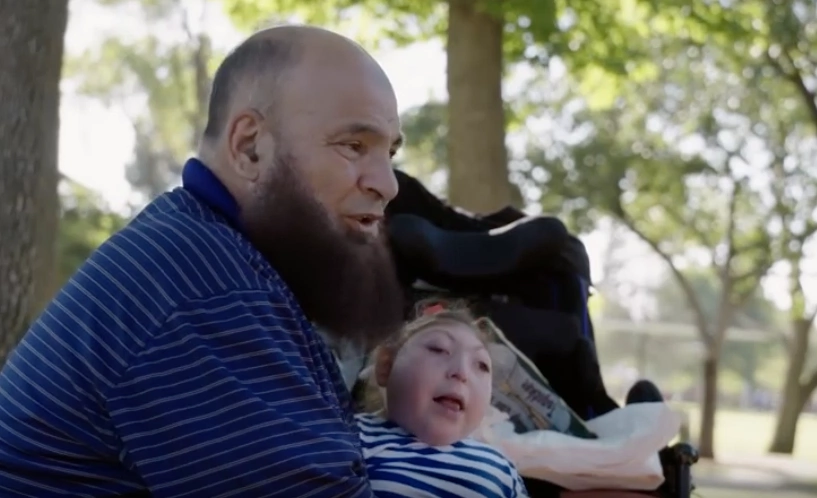
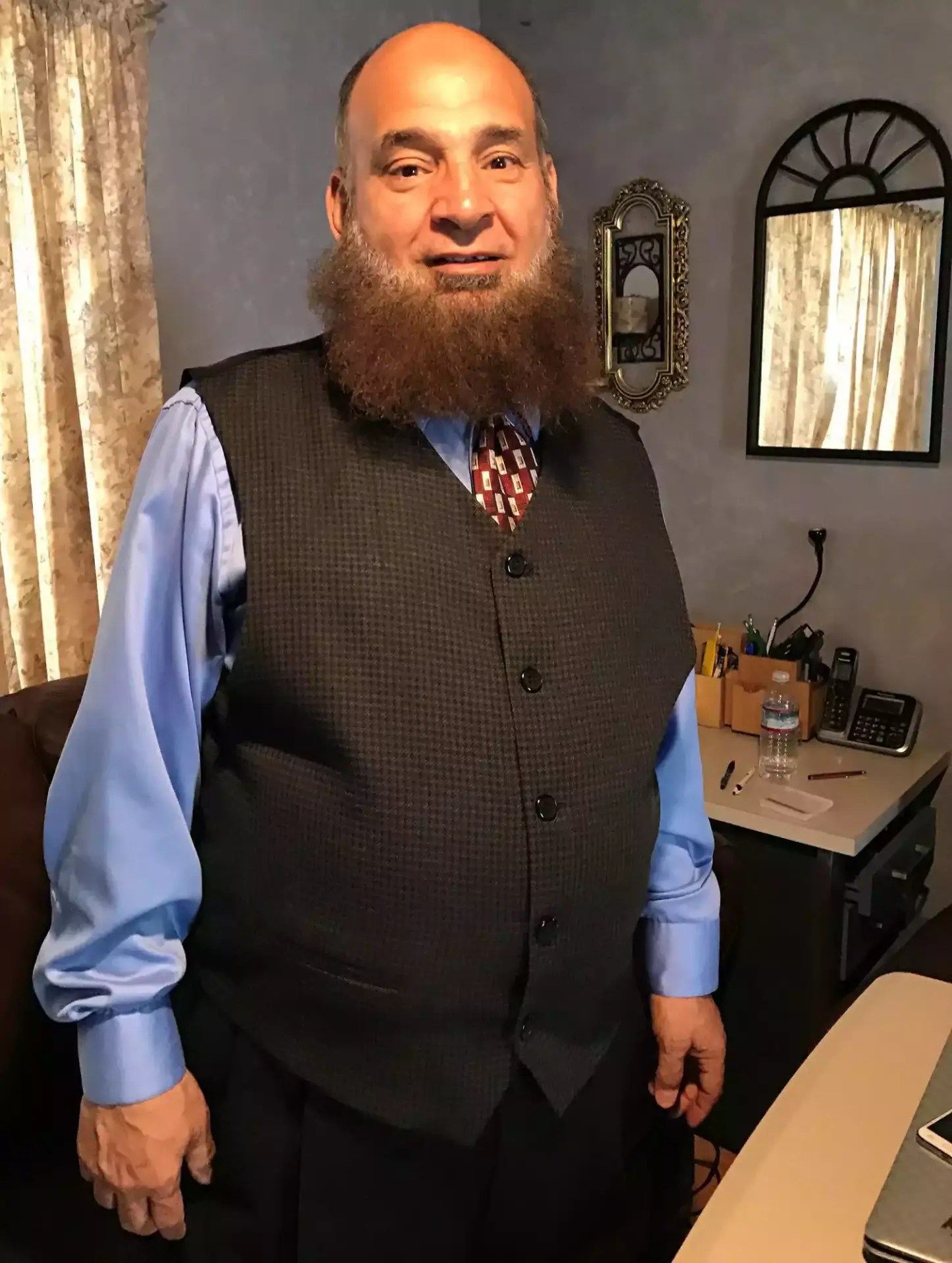
For nearly three decades, terminally ill kids who had nowhere else to go have found a home with Mohamed Bzeek.
The 62-year-old foster father from Azusa, California, has opened his doors to some of the most medically fragile children in the foster care system, including children who cannot see, hear, speak, or communicate in conventional ways.
Bzeek began caring for seriously ill foster children in 1995. Since then, he has experienced a kind of heartbreak most people could hardly imagine. He has buried 10 severely disabled children who were once in his care.
He has faced devastating loss in his own family too.
His wife, Dawn, died after developing blood clots in her lungs. The couple had spent years caring for foster children together, so losing her could easily have marked the end of that chapter in Bzeek’s life.
Instead, he kept going.
“It only seemed natural to continue,” he said.
At one point, Bzeek was caring for a six-year-old girl whose name could not be made public because of privacy laws. She was born deaf and blind and had microcephaly, a condition in which the brain does not develop as expected.
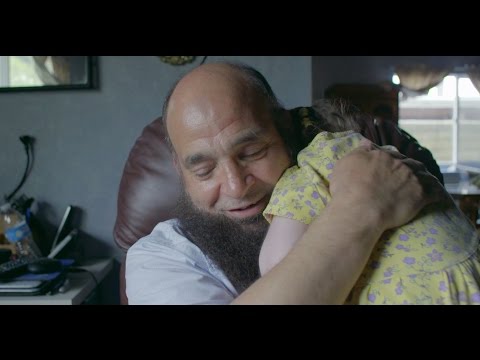
She could not communicate with him through words or eye contact. So Bzeek found the one language she could understand.
Touch.
“The only way to communicate with her is by touch,” he explained. “And so I hold her. I want to know that somebody is here for her. Somebody loves her. She is not alone.”
Those simple moments of physical comfort became part of her daily life.
The little girl required almost constant medical support. She spent roughly 22 hours a day connected to feeding and breathing tubes. Bzeek stayed close enough that he slept on a sofa beside her bed rather than leaving her alone at night.
For him, caring for terminally ill kids isn’t simply about administering medication or keeping track of medical equipment.
He wants the children in his home to experience something many of them had been missing: the feeling that somebody genuinely wanted them there.
And his responsibilities did not stop with his foster children.
Bzeek also cared for his son, Adam, who was 19 at the time and had osteogenesis imperfecta, commonly known as brittle bone disease. Adam studied computer science at Citrus College, but the condition left him with limited use of his hands.
That meant his father helped him with many everyday tasks most people never have to think twice about. Bzeek assisted Adam with homework, bathing, getting dressed, and putting on his shoes.
It would be understandable for someone carrying that much responsibility to feel overwhelmed. Yet when people asked Bzeek why he continued taking in children with such serious conditions, his answer wasn’t complicated.
“I have been asked, ‘Why do you do this?’ and the answer is simple,” he said.
For Bzeek, a child’s inability to speak, hear, or see does not make that child’s life less meaningful.
“Even if these children cannot communicate or see or hear, they have a soul. They need somebody to love them.”
That belief shaped the way he approached every child who entered his home.
He would reassure them, even when he couldn’t know exactly how much they understood.
“I tell them, ‘It will be okay. I am here for you. We will go through this together.’”
Many of the terminally ill kids Bzeek cared for came directly from hospitals in Los Angeles County. Some had been given up or abandoned because their parents were unable to manage the enormous medical demands involved in caring for them.
These weren’t children who simply needed a spare bedroom and someone to prepare dinner.
Some required around-the-clock supervision. Others depended on feeding tubes, breathing equipment, medication, and repeated medical appointments. Their conditions could be severe enough that doctors weren’t sure how much time they had left.
Bzeek still welcomed them.
Rosella Yousef, an assistant regional administrator for Medical Case Management Services, described him as an “exceptional foster parent.”
The six-year-old girl in his care was one striking example. According to Yousef, she had originally been expected to survive for only a matter of weeks. With Bzeek caring for her, she lived far beyond that initial expectation.
His journey into foster care had actually begun with Dawn.
She was already helping foster children when the pair met. After they married in 1989, fostering became part of the life they built together.
Over the years, they cared for dozens of children.
Eventually, Bzeek found himself especially drawn to children with severe disabilities and those who had been abandoned. He knew some of them might only be part of his family for a short time, but that didn’t make their time with him any less important.
If anything, it made it more precious.
“Their lives have value,” he said. “It makes me happy when I see them smiling and know they are happy and content.”
For children who couldn’t speak, a smile could say enough.
“You don’t need words to know that.”
Perhaps one of the most heartbreaking details of Bzeek’s story is that some children arrived at his home without even having a name.
They had medical records. They had diagnoses. They had hospital equipment and complicated care plans.
But no name.
Bzeek refused to let them remain anonymous.
He gave them names.
For him, it was about much more than having something to write on paperwork. A name meant that this child was somebody. They belonged somewhere. Their existence mattered.
And when one of the terminally ill kids in his care died, Bzeek made sure that name did not disappear with them.
“I’ve had kids come here with everything from spina bifida to brain damage to having no immune system,” he explained, “and many of them don’t even have a name.”
“So I give them a name.”
Then came the part no foster parent should ever have to become accustomed to.
“And when it is time for them to die, I make sure that their names are remembered.”
For Bzeek, remembering them is part of loving them.
“They are never forgotten. Not for a minute.”
He knows better than most that he cannot change the outcome for every child who comes through his door. Sometimes there isn’t another treatment available. Sometimes medicine can only make a child comfortable. Sometimes the heartbreaking reality is that there simply isn’t much time.
But Bzeek can control what happens during that time.
He can make sure they aren’t alone.
He can sit beside their beds.
He can hold them when words aren’t possible.
He can give them a home rather than another hospital room.
And he can make sure their final days contain affection, warmth, and human connection.
After decades of caring for terminally ill kids, Bzeek has had to say goodbye far too many times. Yet he continues focusing less on how much time a child has left and more on what he can give them while they are still here.
“So I give these kids the best I have to offer in the short time they’re here,” he said.
Then he summed up the reason he continues doing it in one sentence.
“They leave here knowing that they were loved.”