
I Moved in With the Perfect Man at 51, Then I Walked Out Just Days Later

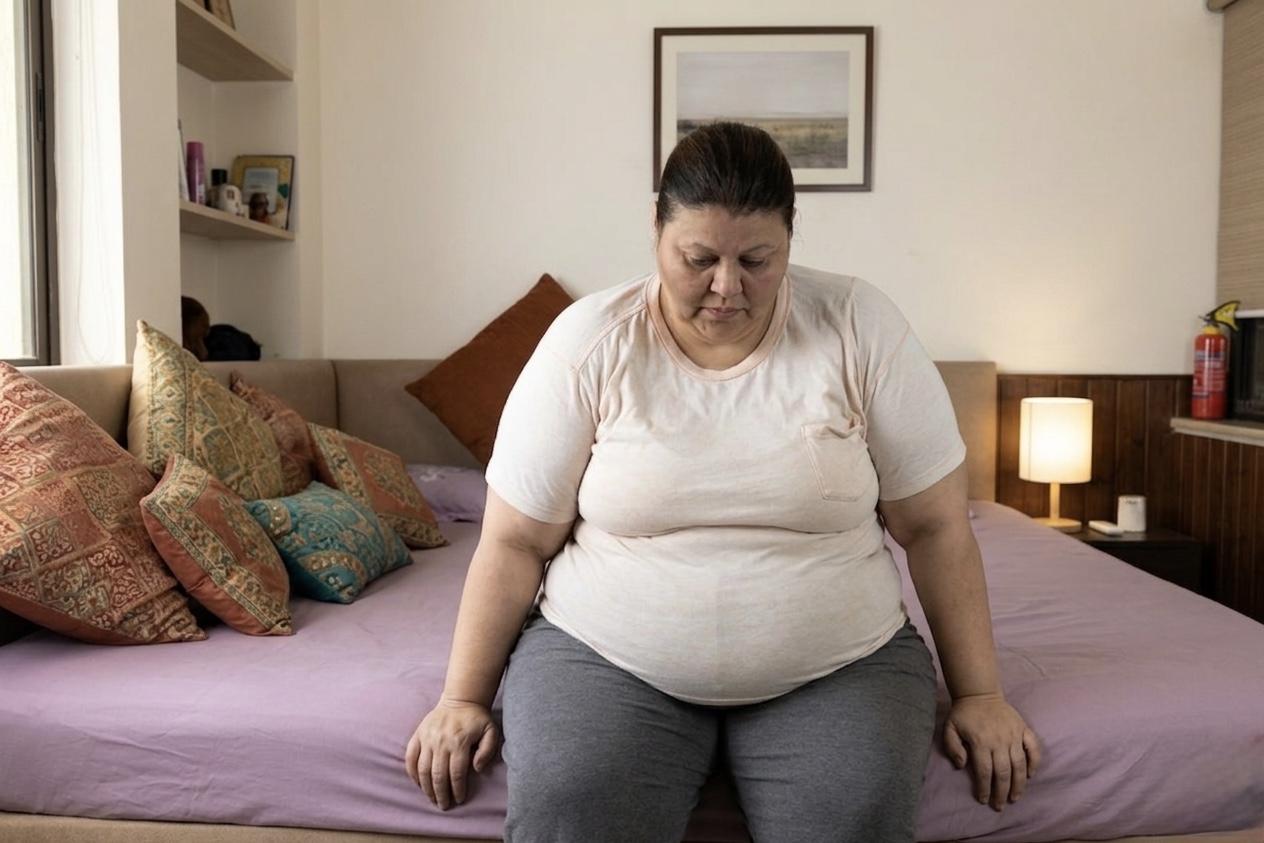
At 51, I believed I had finally reached a place of emotional stability. After five years of divorce, I had built a quiet, independent life on my own terms. My home was mine, my routines were mine, and for the first time in years, I didn’t feel the need to justify my choices to anyone.
It wasn’t a life shaped by perfection, but by acceptance. I had learned to live with my body, my history, and the version of myself that had survived a difficult marriage. Looking back, I now see how deeply that relationship had shaped my inner voice—slowly replacing confidence with quiet self-doubt.
Leaving wasn’t immediate relief. It came with guilt, with the feeling that I had failed at something I was supposed to make work. But over time, that guilt gave way to clarity. I wasn’t leaving love behind—I was stepping out of something that had started to erase me.

Rebuilding a life that finally felt like mine
After the divorce, I rebuilt slowly. Not dramatically, not with some sudden transformation, but through small decisions that belonged only to me. I stopped seeking approval. I stopped shrinking myself to keep the peace. I simply learned how to exist without constant emotional negotiation.
So when Mike entered my life through mutual friends, I didn’t rush anything. He was 63, a former military man now working in security consulting. He was calm, attentive, and observant in ways that felt unfamiliar but not uncomfortable.
On our first date, he brought lilies because I had once casually mentioned I preferred them over roses. It was a small detail, but it stayed with me. It felt like being noticed without having to ask for it.
For weeks, everything seemed steady. He was consistent, polite, and never made me feel rushed. He didn’t comment on my body, my age, or my habits. Even when I reached for my wallet, he would gently insist on handling things himself without turning it into a performance of control or pride.
A relationship that felt safe… at first
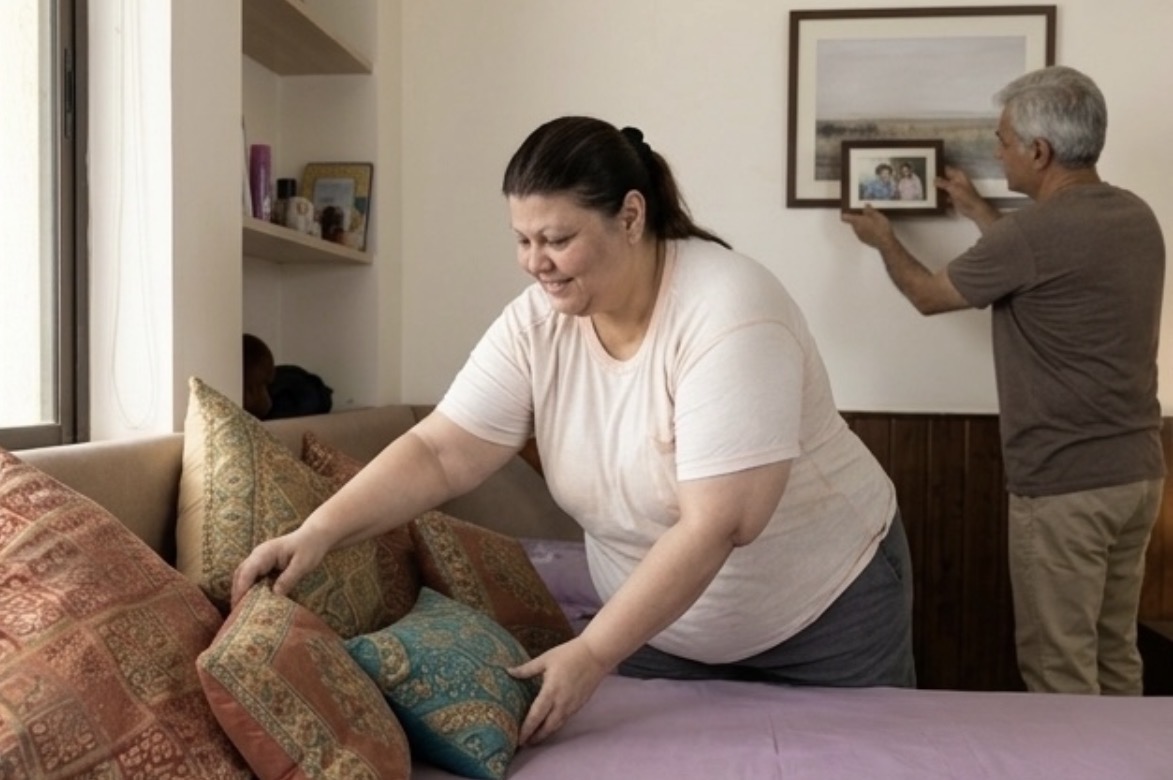
Seven months in, he suggested we move in together. There was no pressure, no insistence—just a quiet suggestion that it made sense since we were already spending most of our time together.
I hesitated. Independence had taken me years to rebuild, and I wasn’t ready to let it slip away quickly. But he responded in a way that reassured me. He said he respected my space, my boundaries, and who I was. That reassurance made me say yes.
Still, I didn’t give up my apartment. I wanted a slow transition, a safety net in case something felt off. He agreed without resistance, which I interpreted at the time as maturity.
The first night together felt easy. We cooked, shared wine, and talked late into the evening. Nothing felt forced. I remember thinking, maybe this is what healthy feels like.

When small changes started to feel… wrong
The shift didn’t happen dramatically. It began the next morning with breakfast.
He made cereal using water instead of milk. When I asked about it, he casually explained it was “healthier” and lower in calories. I laughed it off at first, assuming it was just a quirky preference.
But it wasn’t.
Over the following days, the changes became more deliberate. Foods disappeared from the kitchen—bread, cheese, butter, snacks—all removed because, in his words, they were “no longer appropriate.” Meals became controlled, portioned, and structured around what he believed was acceptable nutrition.
When I expressed hunger, he dismissed it as emotional eating.
By the third day, he brought a scale into the bedroom.
Control disguised as concern
At first, I stepped on it without much thought. Then it became routine. Daily weigh-ins. Comments about my body framed as “guidance.” Suggestions about what my “ideal weight” should be based on his interpretation of health science.
It wasn’t advice anymore—it was monitoring.
Soon, rules expanded. Certain foods were forbidden entirely. Even how I ate at the table started to be corrected. Portions were predetermined. Meals were placed in front of me like instructions rather than choices.
The moment something shifted internally was when I walked into the kitchen and saw my food already prepared in exact measurements, with no room for adjustment.
That wasn’t care. That was control presented as structure.
The moment everything became clear
I finally spoke up.
I told him I was uncomfortable being controlled and that I was fully capable of making decisions about my own body. He didn’t react with anger—but with certainty. He insisted it was for my own good, something I would eventually appreciate.
But the feeling growing inside me wasn’t gratitude. It was suffocation.
When I pushed further, he reframed my discomfort as irrational—calling it paranoia, dismissing it as resistance to “house rules.”
That was the breaking point.
There was no negotiation in his version of reality. Only compliance or exit.

Choosing to leave instead of repeating the past
For a moment, I felt the old instinct return—the one that once kept me silent in my marriage, the one that prioritized peace over self-respect.
But this time, something was different.
I chose not to shrink.
I went into the room, packed my things, and prepared to leave. He tried to stop me, insisting we could fix things, that I was overreacting. But by then, I understood exactly what I was walking away from.
It wasn’t a relationship built on care.
It was control with a softer voice.
Coming home to myself
When I returned to my apartment, the silence felt different. It wasn’t heavy or restrictive—it was calm. Familiar. Safe.
I sat down with my bags still unpacked and felt something unexpected: relief. Not sadness, not regret—relief.
I had almost repeated a pattern I spent years trying to escape.
That night, I made tea, added milk without hesitation, ate cookies without calculation, and didn’t ask permission from anyone—not even in my own mind.
For the first time in days, I felt fully present in my own life again.
And the lesson became unmistakably clear: real care never requires surrendering yourself. Love doesn’t reduce your freedom. It expands it.