
Body Alerts For Possible Health Issues

Body alerts are more present when possible health issues are at bay. When ignored, these warnings may lead to more harmful health problems.
Not all of them are a cause for concern. However, better be safe than sorry.
1. Dandruff and hair loss

While we often treat a flaky scalp as a cosmetic issue, it is frequently a sign of an internal deficiency.
If you notice your hair thinning at the same time, your body is likely struggling to maintain its building blocks.
When dandruff is paired with hair loss is a sign of vitamin and nutrient deficiency. The most common is the lack of zinc, iron, and vitamins B2, B3, B6, and B7.
2. Wrinkled hands
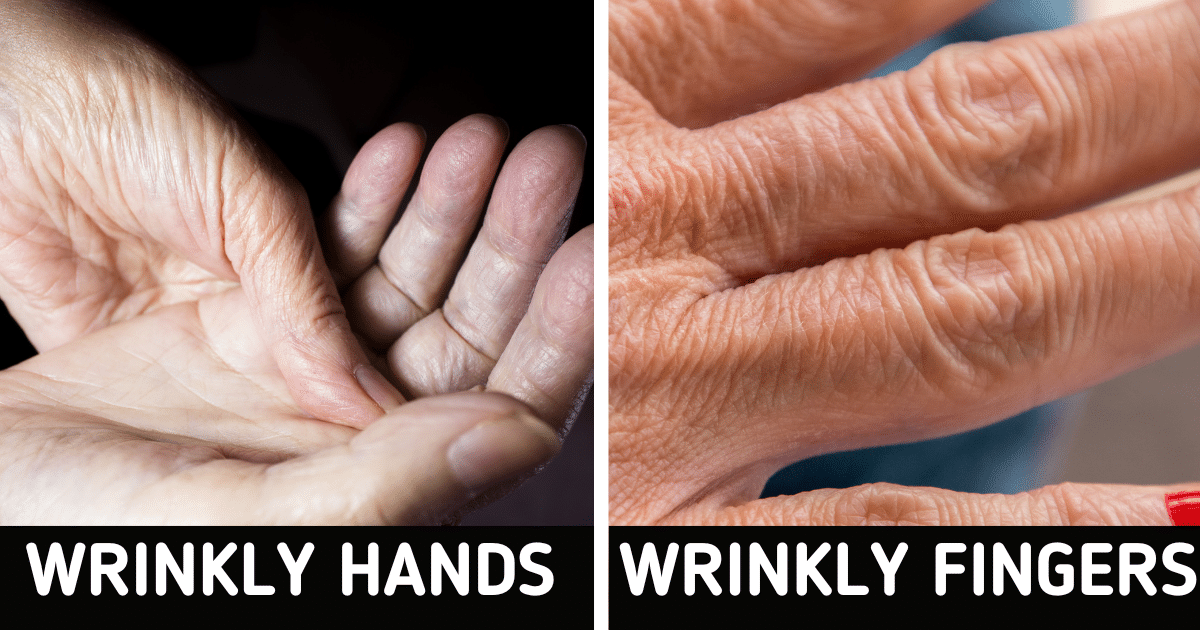
Wrinkles that appear from aging are normal. However, when your hands and fingers look more wrinkled and lose elasticity can mean dehydration, problems with the thyroid, or bad blood circulation.
It can also indicate that your thyroid is underperforming, which slows down your metabolism and affects how your skin retains moisture.
3. White patches on the tongue
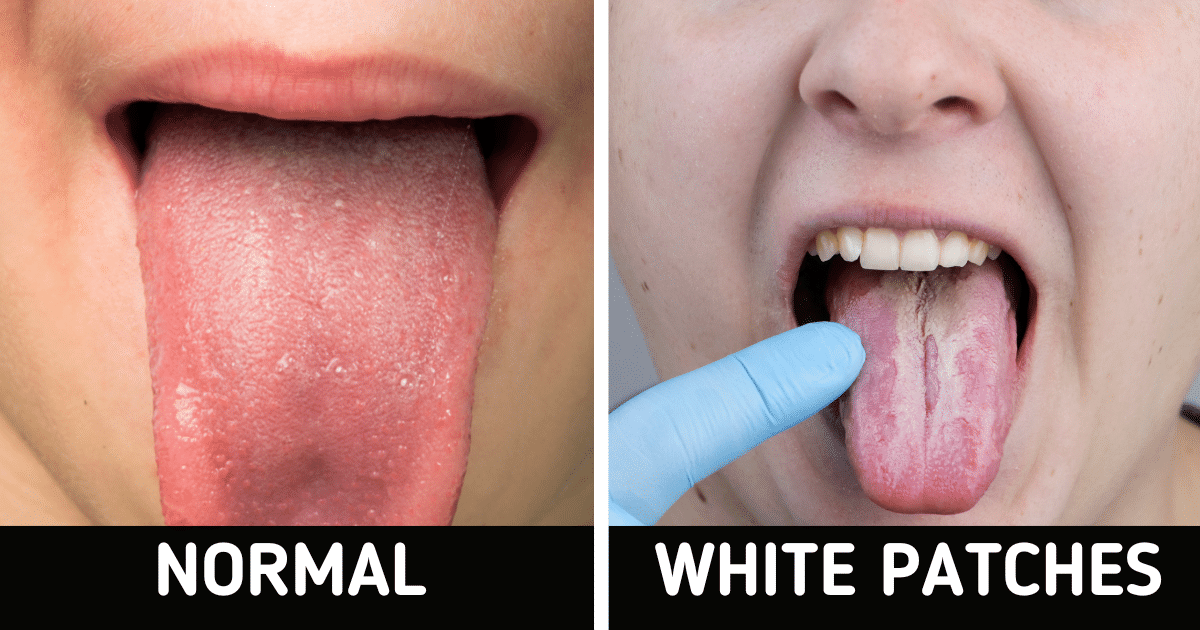
The white patches on your tongue might appear because of poor oral hygiene. On the other hand, they might be a sign of oral thrush, a yeast overgrowth that is particularly common in people with fluctuating blood sugar or diabetes.
It can also be your body’s way of signaling that your oral hygiene routine needs an upgrade to manage the natural bacteria and fungi living in your mouth.
4. Skin rashes

Skin rashes can appear for many reasons. One of them might be infections or touching certain plants. If they get infected can become dangerous for your health.
These spots can be the first sign of an internal infection or an allergic reaction to something your body has identified as a threat.
Even if it seems minor, a rash is a visible “keep out” sign from your immune system that should not be ignored, especially if it starts to spread.
5. Swollen ankles

Swollen ankles mean you consume too much salt. Also, they can be a sign of bad blood circulation or underactive thyroid glands.
If you aren’t pregnant, swollen ankles can mean that your heart or kidneys are working too hard to process fluids and move blood back up your body.
6. Dry eyes
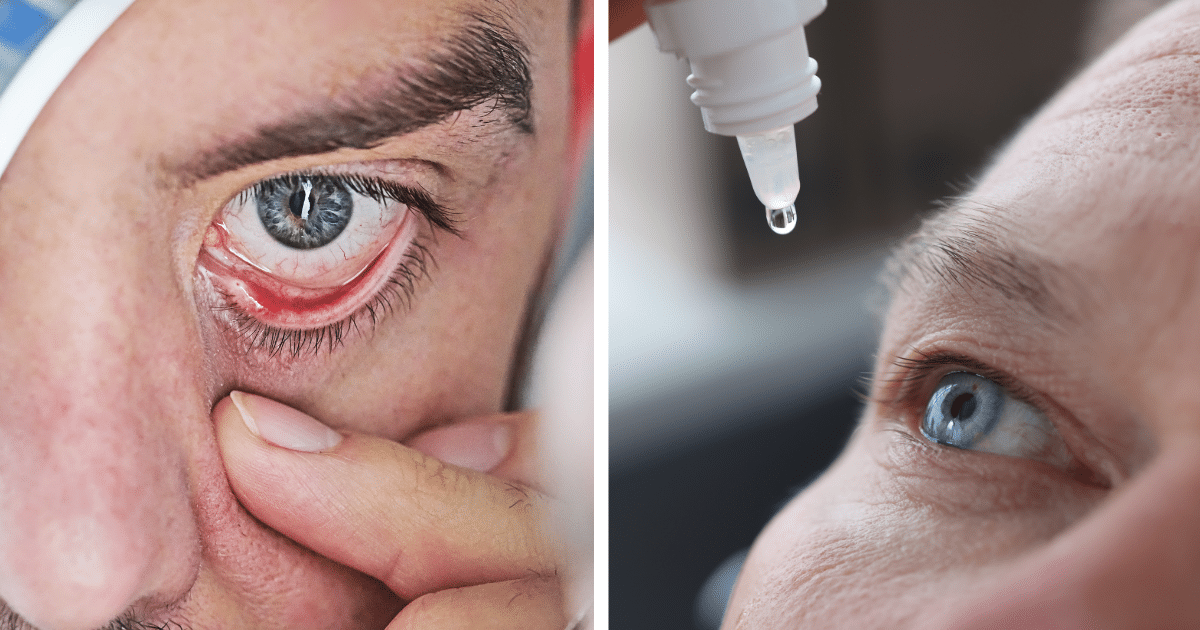
The burning sensation or inflammation of the eye means they are dry. It might be a sign of Sjogren’s syndrome, a disorder of the immune system, which also leads to a dry mouth.
It is a sign that your body’s natural lubrication system is being compromised by your own immune defenses.
7. Bloating

Bloating might be a sign of food sensitivity.
We all feel a bit full after a heavy meal, but frequent, uncomfortable bloating is your gut’s way of saying it is struggling to process what you are giving it.
You might be allergic to some foods or intolerant, which makes your stomach expand because of the gas released.
8. Bruises
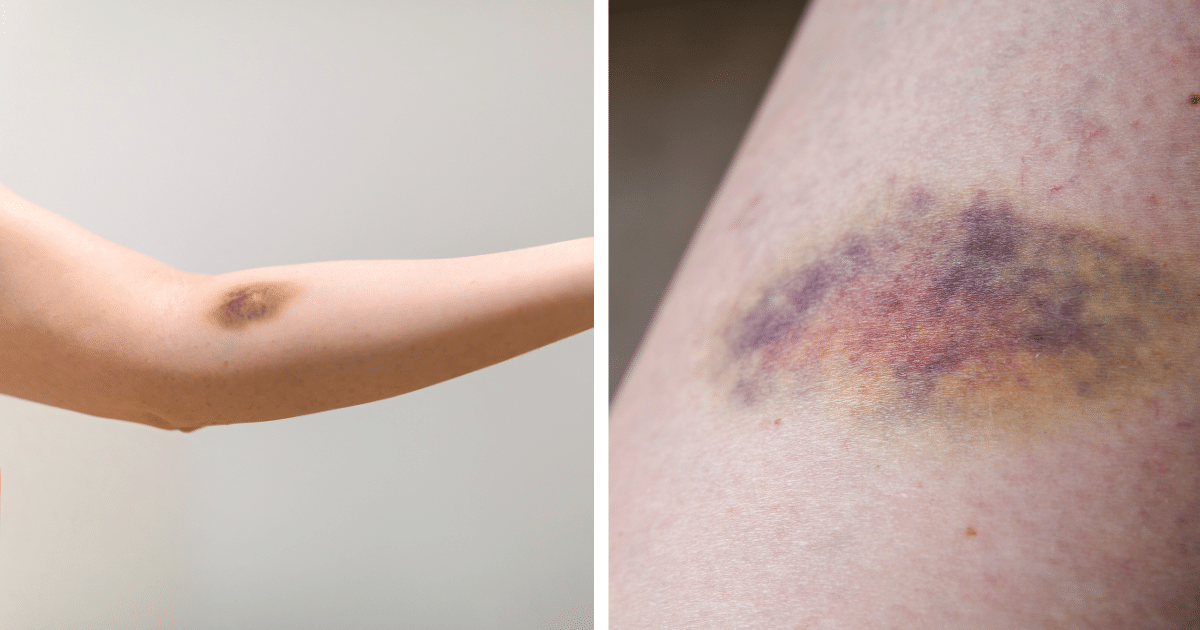
If you find unexpected bruises on your body, you might lack vitamins. Also, it can be a sign of blood clotting disease.
Sometimes this is as simple as a vitamin C or K deficiency, both of which are essential for vessel strength and blood clotting.
However, frequent and “random” bruising can also be an alert for more complex blood conditions. It is your body’s way of showing you that its internal repair team is falling behind.
9. Constant thirst

Being hydrated is important. However, anything too much is not good. Feeling always thirsty and having frequent urination might be a symptom of prediabetes.
When your blood sugar is too high, your body desperately tries to flush the excess out through your urine, which in turn leaves you perpetually dehydrated.
If you are always reaching for a glass of water, your body is likely trying to wash away a deeper issue.
10. Muscle twitches

Muscle twitching can happen during physical activities.
These twitches are frequently triggered by dehydration, a lack of sleep, or an electrolyte imbalance like low magnesium.
In more persistent cases, they act as an alert for kidney issues or neurological shifts. Your muscles are effectively “misfiring” because they don’t have the right chemical environment to stay calm.
11. Snoring

Sometimes chronic snoring can be a sign of OSA (obstructive sleep apnea).
You might need a medical device to breathe without problems during the night.
Are you aware of your body alerts? Do you check yourself up at the doctor’s office often? Tell us more in the comments.