20 Pictures That Will Serve As an Eye Test

Well, my friends!
Welcome to another article where we are gonna blink our eyes twice!
We love tricky pictures, and so do you.
Not only are they intriguing, but we can also test our eyes, can’t we?
Viral Strange has collected 20 pictures that need a second look! What do your eyes tell you?
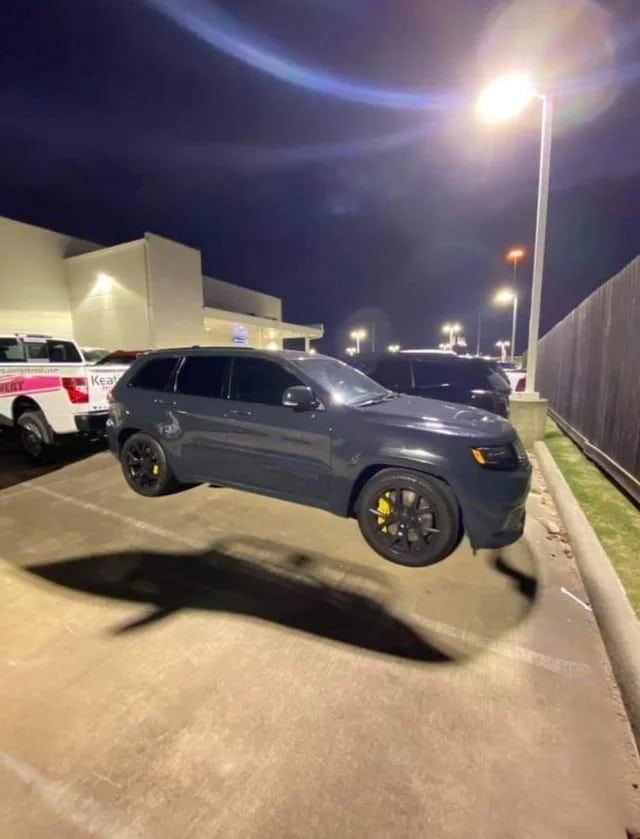
1. “I genuinely thought my car was hovering over the parking”
The human visual system is designed to simplify information quickly.
Instead of analyzing every detail separately, the brain groups shapes, colors, and patterns together to create a fast interpretation of what it sees.
Sometimes that process works against us.
2. “This shadow looks like a spy.”
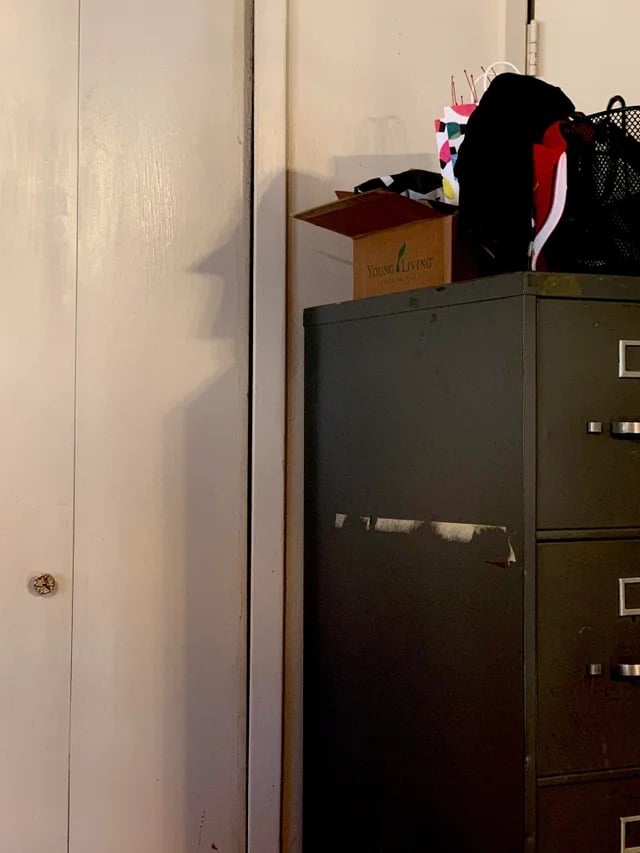
3. “The snow outside my porch looks like a polar bear’s face”

Photos taken from unusual angles or at strange moments can interfere with normal visual interpretation, causing viewers to misidentify objects, positions, or proportions.
Scientists studying visual cognition found that the brain can recognize the basic content of an image in a fraction of a second.
Because the brain reacts so quickly, it often prioritizes speed over precision.
This is why people may immediately “see” something incorrect before realizing the actual explanation seconds later.
4. “This puddle looks like an aerial view of a forest”

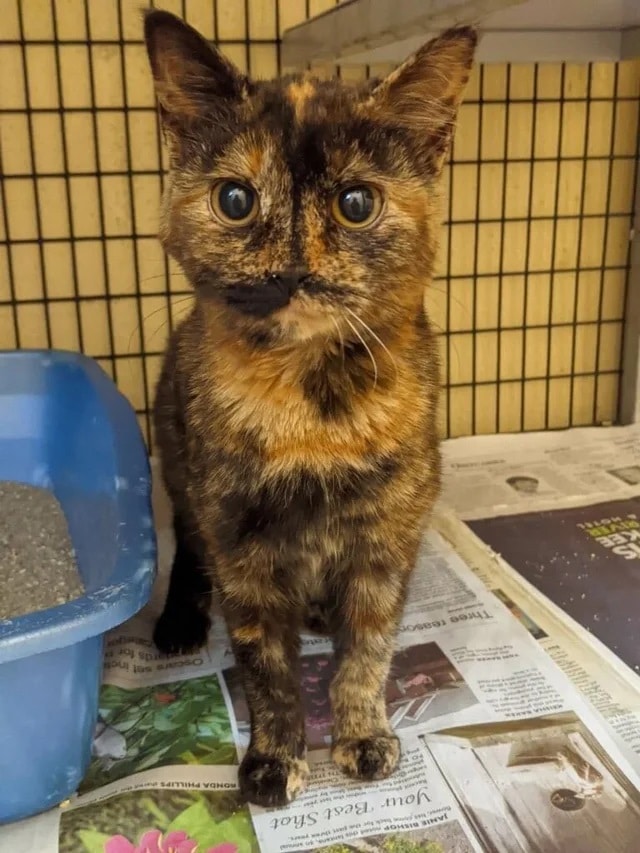
5. “This cat’s markings make it look like its nose is missing”
In real life, humans rely on two eyes to judge distance and depth.
A camera, however, captures scenes from a single viewpoint.
This removes many natural depth cues, making it easier for:
Background objects to appear attached to people…
Small objects to seem enormous…
Flat surfaces to appear distorted…
Body parts to visually blend together.
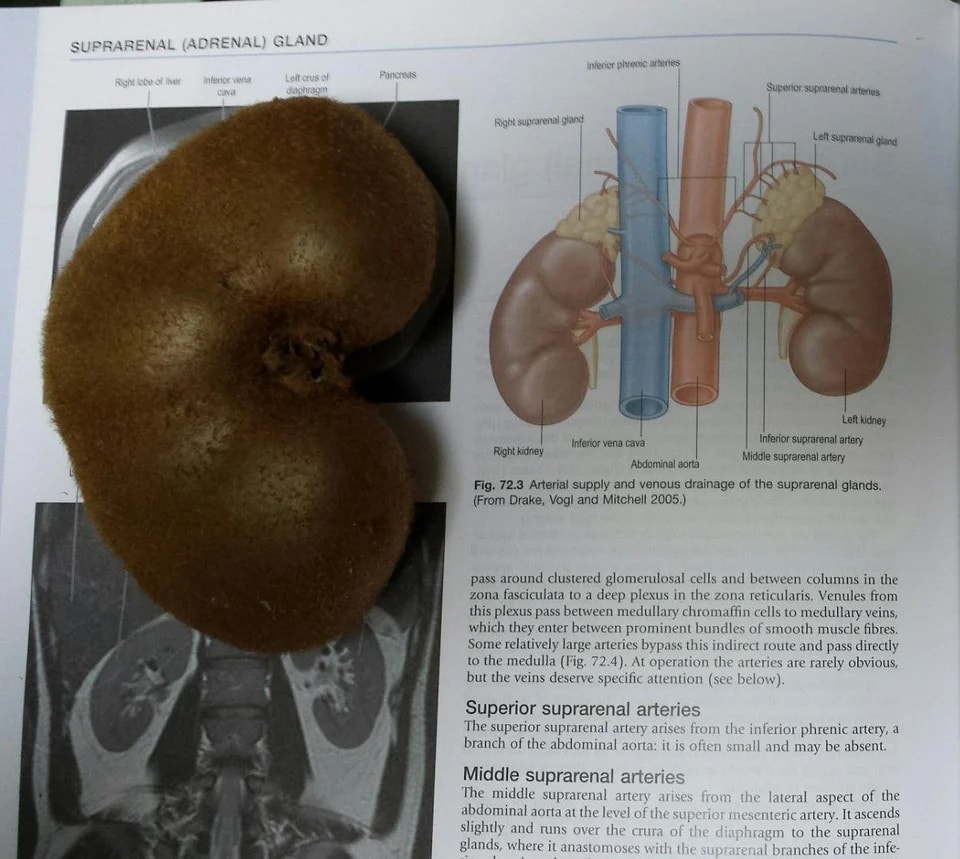
6. “This kiwi looks like a kidney.”
7. “I ran out of food coloring while making cookies and now the dough looks like a transplantable organ.”

Lighting heavily affects how people interpret an image.
Strong shadows, bright highlights, or low contrast can hide important details and create misleading shapes.
Photographers often use lighting creatively to produce dramatic visual effects intentionally.
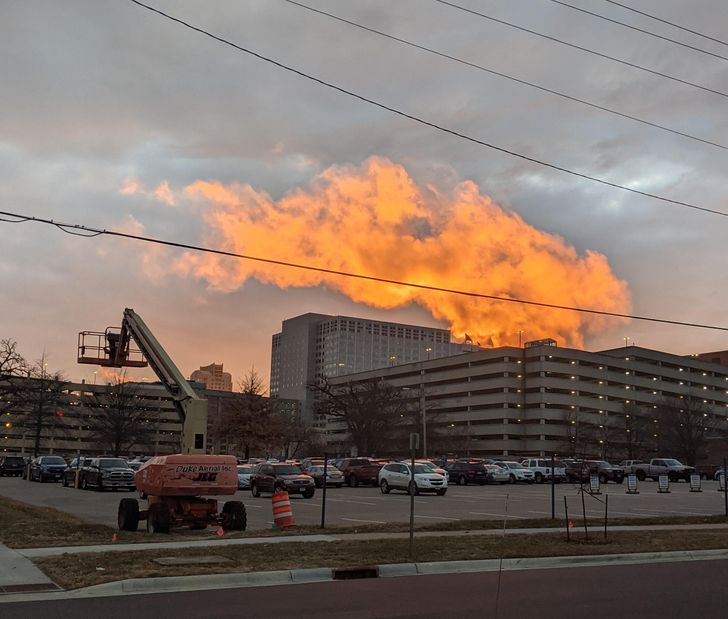
8. “Morning sun through steam looks like a massive fireball.”
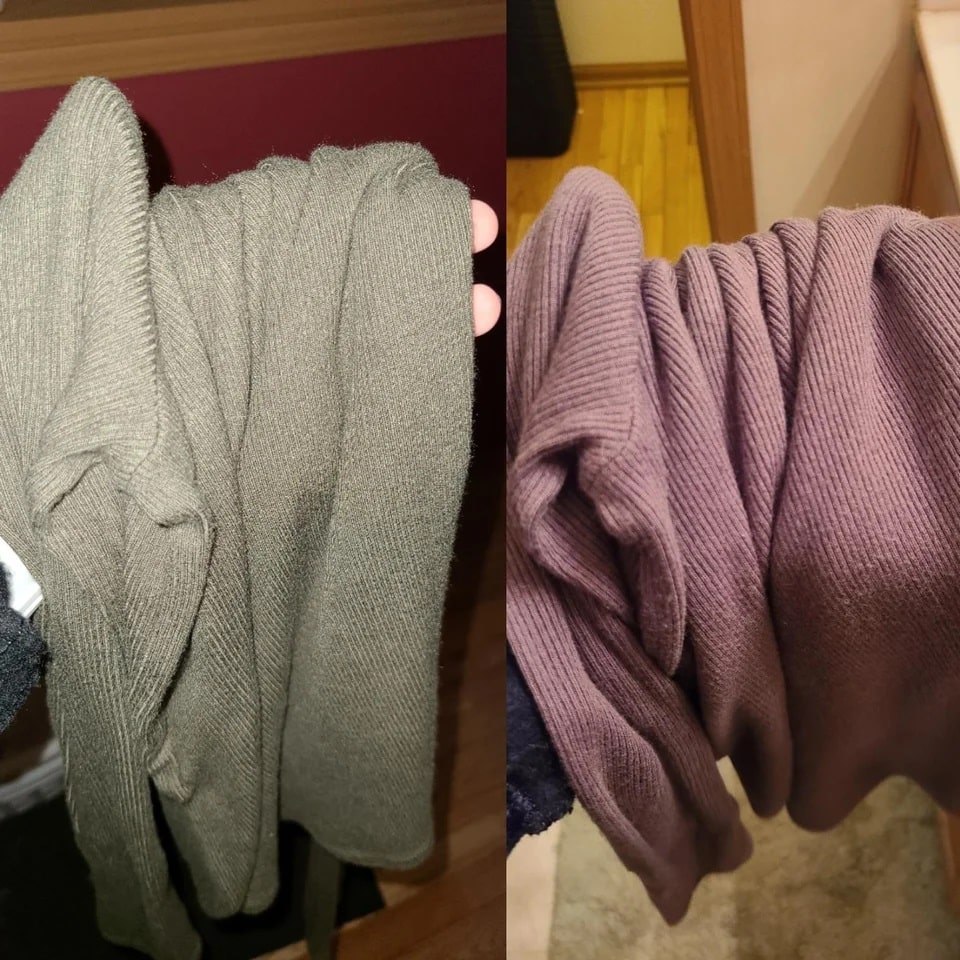
9. “My shirt appears to be two vastly different colors in different lighting”
People do not observe every part of a picture equally.
Studies in cognitive psychology show that viewers naturally focus on:
Faces…
Movement…
Bright colors…
Text…
Human body shapes.
While attention is concentrated in one area, strange details elsewhere in the image can go unnoticed.
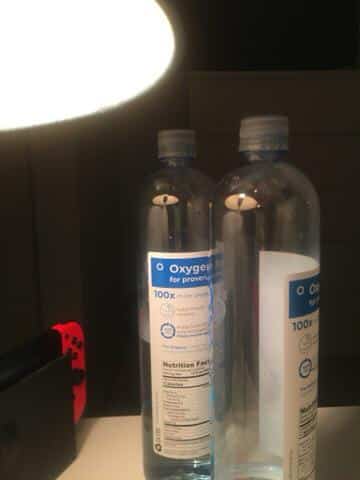
10. “My lamp gave my water bottles cat eyes.”
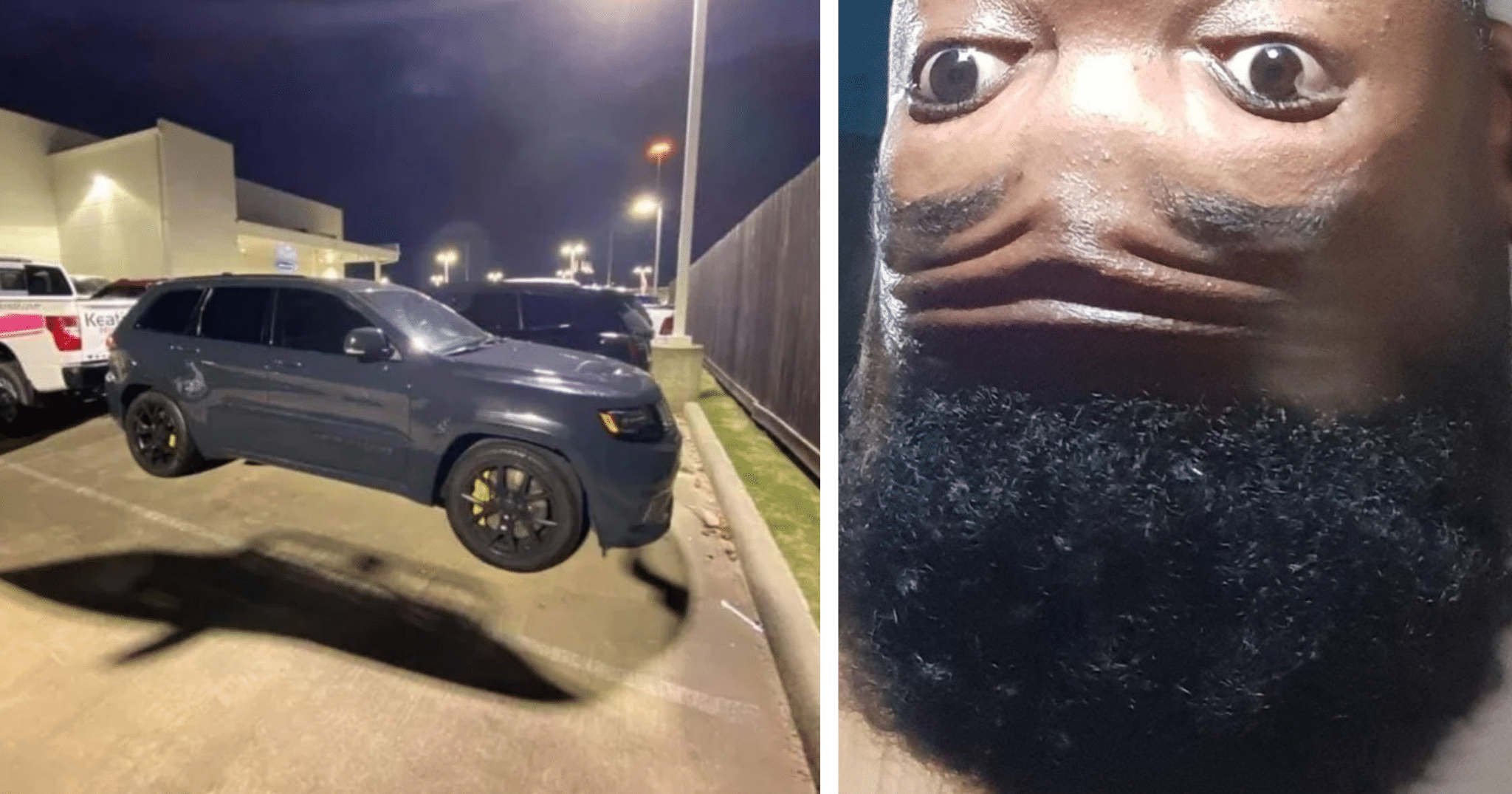
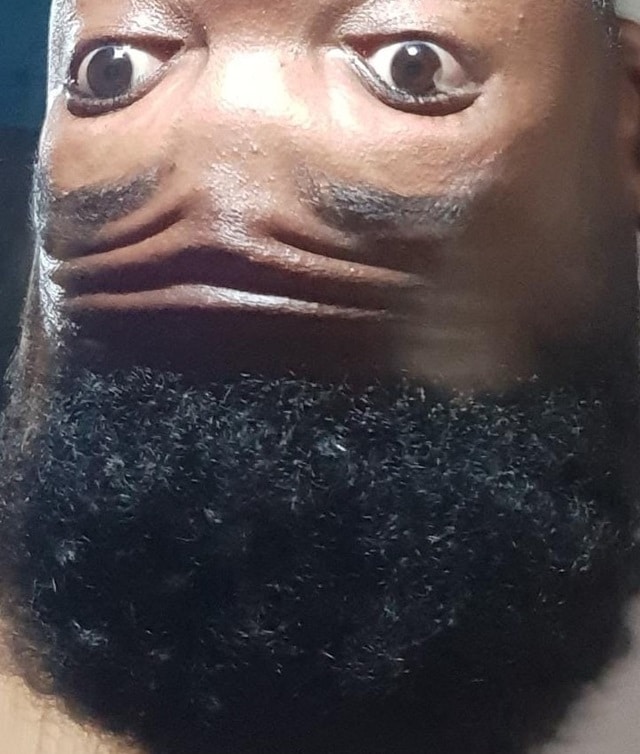
11. “My friend’s head upside down looks like a right way-up head”
This selective attention is why many deceptive pictures require multiple viewings before all elements are understood.
Images that force viewers to stop and look again tend to generate stronger engagement online.
Psychologists refer to this as an “attention interruption.”
When the brain expects one thing but discovers another, curiosity increases immediately.
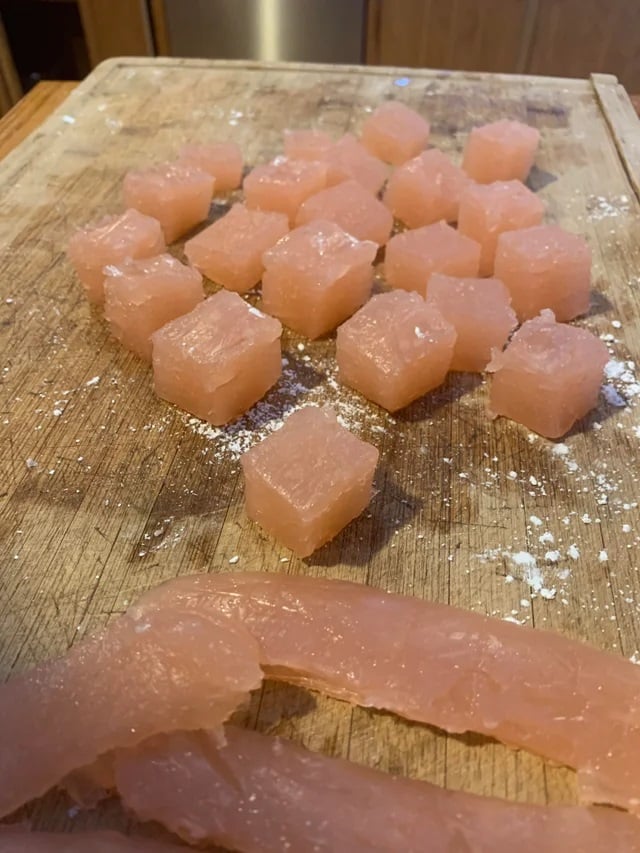
12. “My Turkish rosewater gummies look like sashimi (raw fish)”
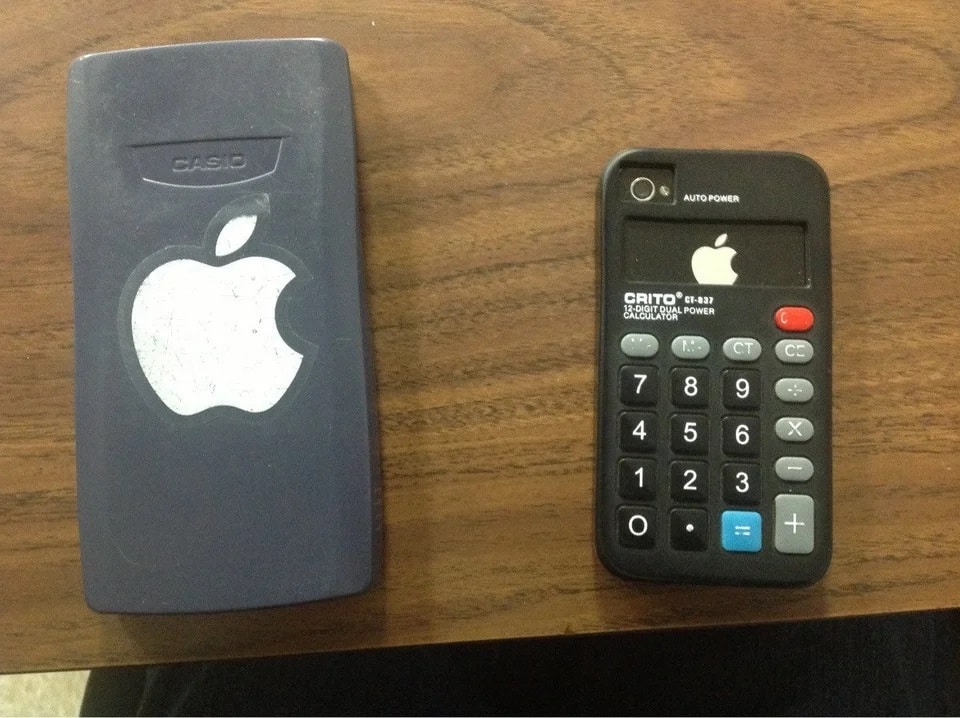
13. “One of my students said “Mr. P, your iPhone is disguised as a calculator and your calculator is disguised as an iPhone.” I’ve had both for years and never made the connection.”
This reaction often leads people to:
Zoom into the image…
Share it with friends…
Challenge others to understand it…
Spend more time looking at the picture.
The longer viewers stay engaged, the more likely the content spreads across social media algorithms.
14. “Melting snow looks like the Grinch”

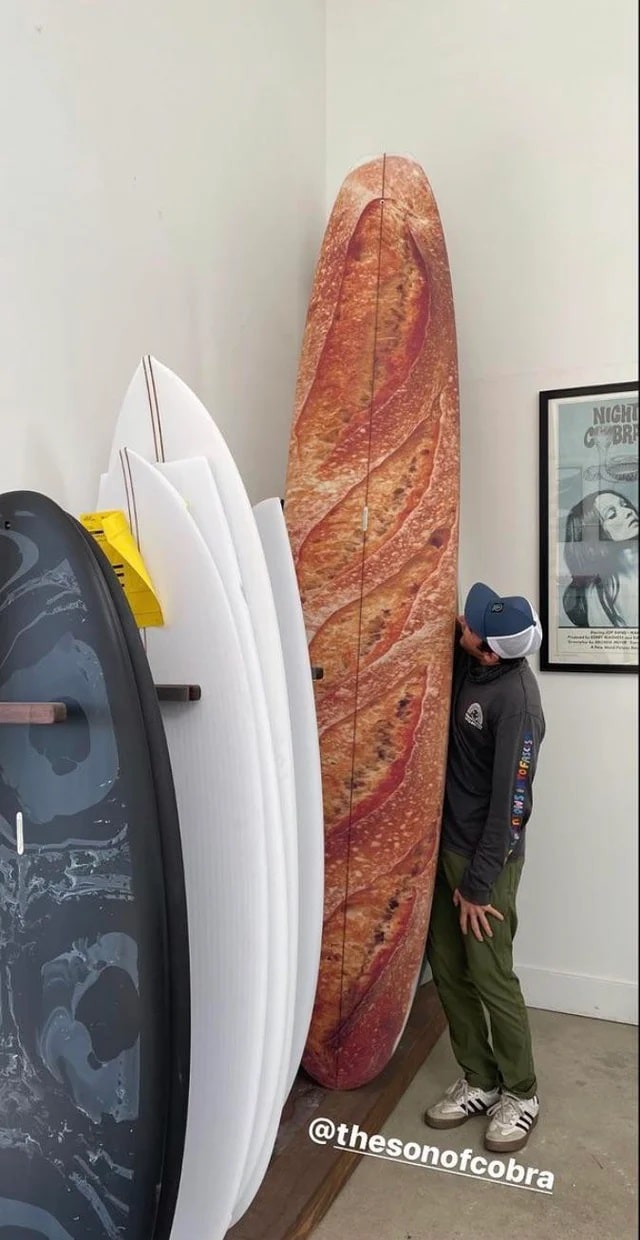
15. “My friend’s new surfboard was made to look like a Baguette.”
Not every confusing image is planned.
Photographers sometimes capture these accidental illusions without noticing them until later review.
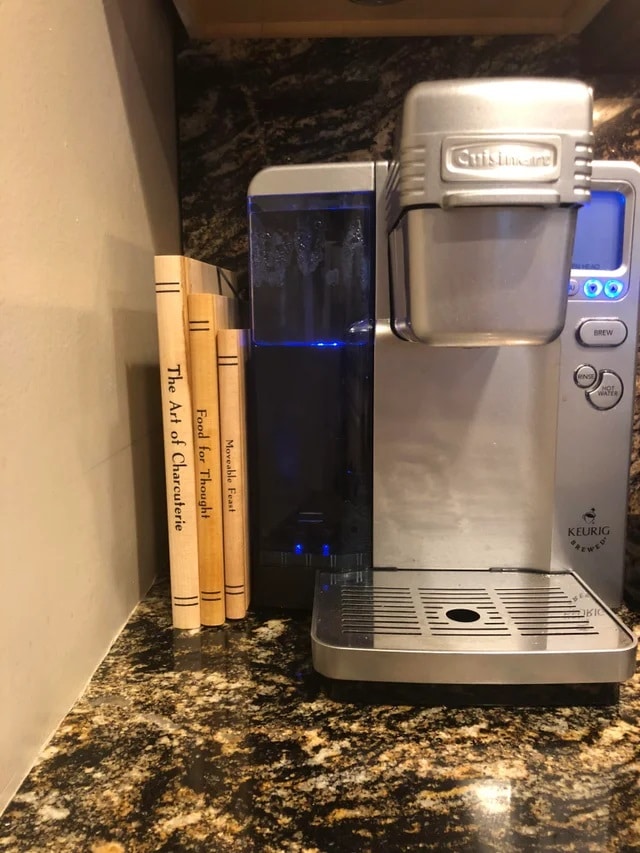
16. “My SO’s mother has cutting boards that look like books when they’re put away.”
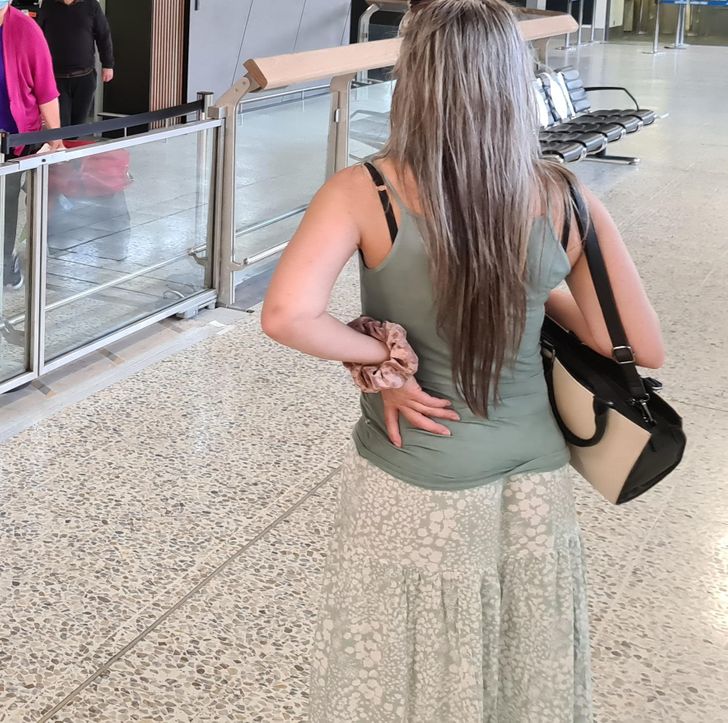
17. “Noticed this woman’s skirt blended in with the floor while waiting for my parents at the airport”
Humans interpret objects based on surrounding information.
For example:
A floating shoe may actually belong to someone outside the frame.
A “giant” pet may simply be closer to the camera.
A missing limb may be hidden behind another object.
Hair and clothing colors can merge visually.
Without full context, the brain fills in missing information automatically, which can create false assumptions.
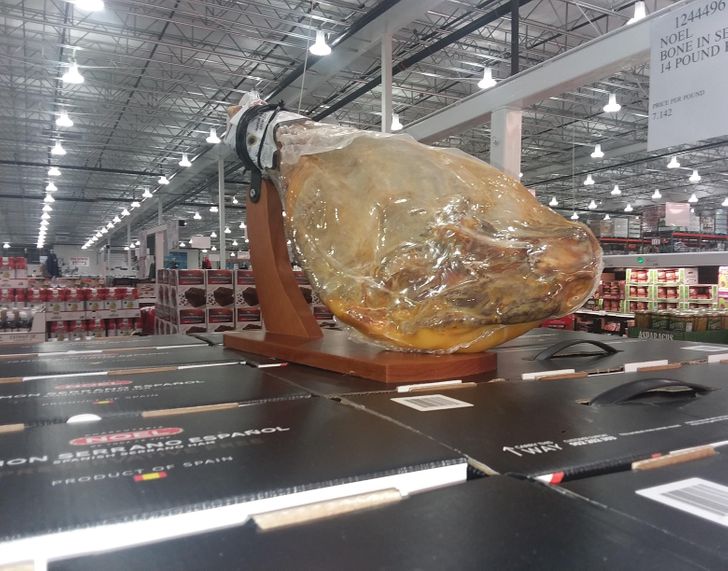
18. “Took this picture of Spanish ham and it looks like it’s a massive ham standing in an airplane hangar”
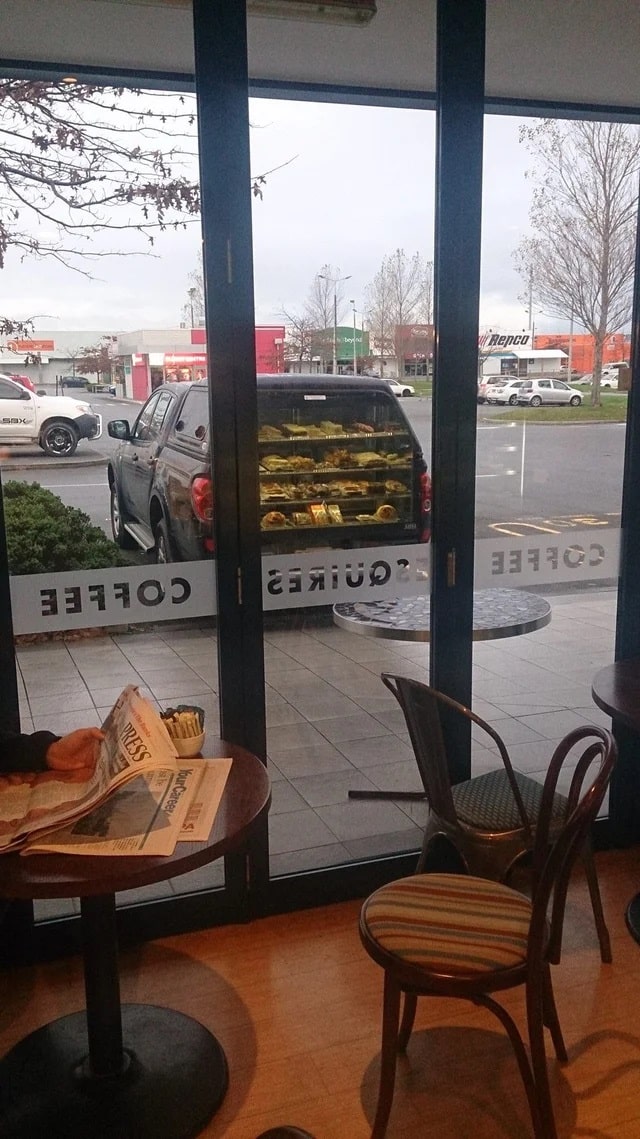
19. “Mirage of coffee shop window makes it look like this car sells pies out of the boot”
Visual illusions are not just internet entertainment.
Scientists and artists have studied them for hundreds of years.
Artists throughout history also used perspective tricks to create depth and realism in paintings and architecture.
20. “My coffee looks like a galaxy.”

Which one took you more time to decipher? Tell us in the comments!